

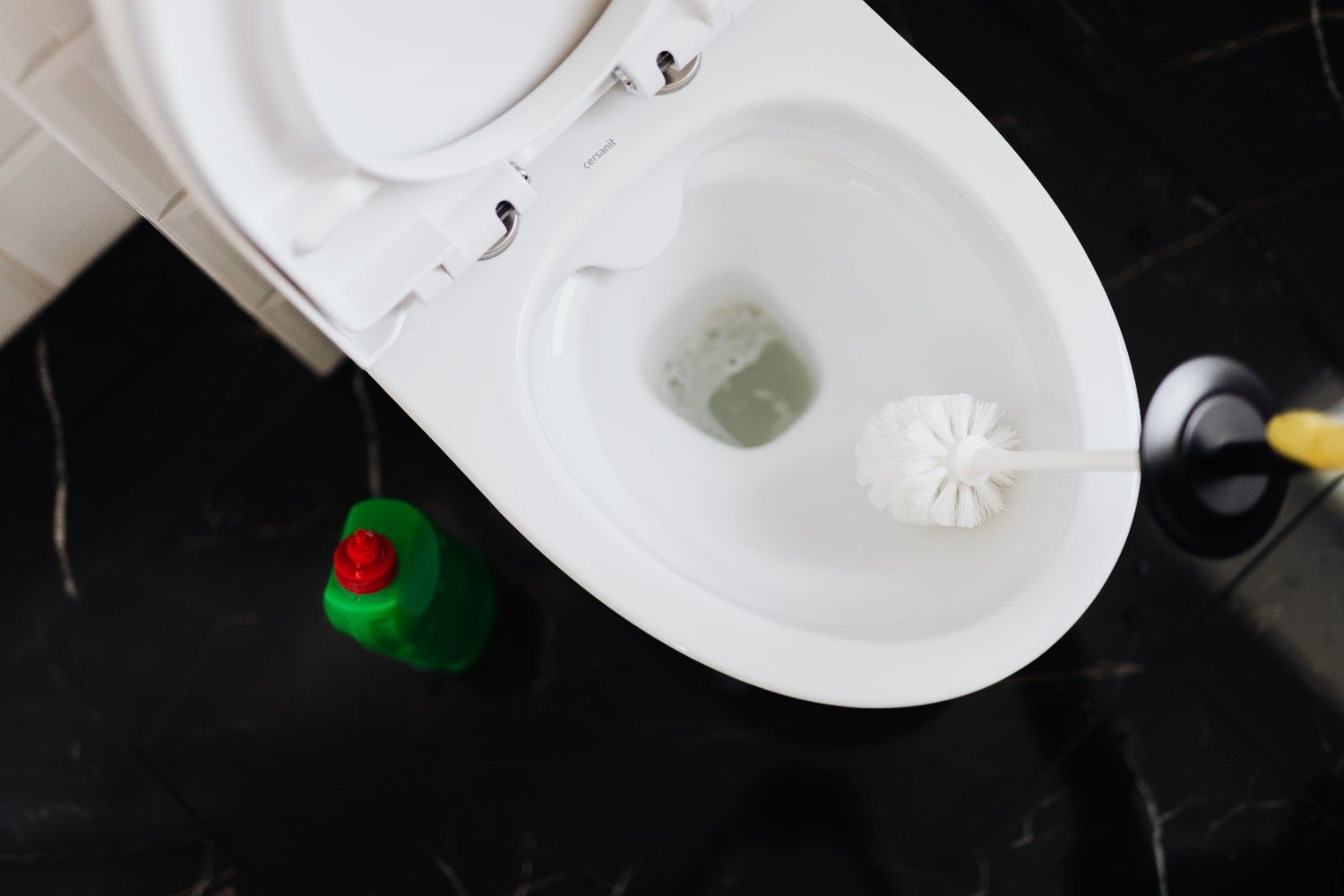
Why Does My Toilet Smell?
A persistent toilet smell is one of the most unpleasant bathroom problems homeowners face. Whether it's a rotten egg odour, a sewage-like stench, or a musty smell that keeps coming back, the issue can quickly make your bathroom uncomfortable to use.
Many Singapore homeowners assume that regular cleaning should solve the problem. However, if the smell keeps returning despite scrubbing and disinfecting, the cause is often hidden within your plumbing system.
The good news is that most toilet odour problems can be identified and fixed. Understanding what causes the smell is the first step towards eliminating it for good.
Common Causes of Toilet Smells in HDB Flats
1. Dry Floor Trap or P-Trap
One of the most common causes of toilet odours is a dry trap.
Floor traps and P-traps contain a small amount of water that acts as a barrier between your home and the sewer system. This water seal prevents sewer gases from travelling back into your bathroom.
If a guest bathroom or common toilet is rarely used, the water inside the trap may evaporate over time, allowing unpleasant smells to escape.
Signs of a dry trap include:
Smells that appear after long periods of non-use
Odours coming from the floor drain
Temporary relief after pouring water down the drain
A simple solution is to pour water into all floor drains regularly to maintain the water seal.
2. Choked or Partially Blocked Drains
In some cases, what starts as a minor blockage can develop into a toilet bowl choke, causing slow flushing, unpleasant odours, and even wastewater backup if left unresolved.
As organic matter decomposes, bacteria begin to grow and produce foul odours. Even if water still drains, a partial blockage can trap debris and create a persistent smell.
Common symptoms include:
Slow drainage
Gurgling sounds
Water backing up occasionally
Smells that worsen after flushing
Minor blockages may respond to plunging, but severe buildups often require professional drain clearing equipment.
3. Faulty Toilet Seal
Your toilet bowl is fitted with a seal that prevents sewer gases from escaping around the base of the toilet.
Over time, this seal may deteriorate, crack, or become displaced. Renovation work, improper installation, or natural wear and tear can compromise the seal.
In some cases, a damaged seal may also lead to a toilet bowl leak, allowing moisture to accumulate around the base of the toilet while letting unpleasant sewer odours escape into the bathroom.
When this happens, you may notice:
Sewage odours around the toilet base
Dampness near the toilet
Smells that persist despite cleaning
Replacing the damaged seal usually resolves the issue quickly.
4. Blocked Vent Pipes
Plumbing systems rely on vent pipes to release sewer gases safely outside the building.
When these vents become obstructed by debris, nests, or other blockages, gases cannot escape properly. Instead, they may be forced back into your bathroom.
Symptoms of blocked vents include:
Bubbling sounds from drains
Strong sewer smells
Odours that appear after heavy usage
Because vent pipes are difficult to access, professional inspection is often necessary.
5. Damaged Sewer Pipes
In some cases, the source of the smell lies deeper within the plumbing system.
Cracked pipes, hidden leaks, or damaged sewer lines can allow sewage gases to seep into your home. These issues are more serious and require immediate attention.
Potential warning signs include:
Persistent sewage smells throughout the day
Multiple drains producing odours
Water stains or leaks nearby
Recurring drainage issues
Ignoring these signs can lead to more extensive and costly repairs.
Why You Should Never Ignore Toilet Smells
Many homeowners attempt to mask unpleasant odours using air fresheners or stronger cleaning products.
While this may temporarily improve the smell, it does not address the underlying cause.
Persistent toilet odours may indicate problems such as sewer gas leaks or hidden plumbing defects.
Ignoring these issues can result in:
Worsening drainage problems
Water damage
Increased repair costs
Exposure to potentially harmful sewer gases
If the smell is accompanied by overflowing toilets, sewage backup, or sudden leaks, it's advisable to contact an emergency plumber in Singapore as soon as possible. Prompt action can help prevent further damage and restore your bathroom to a safe and hygienic condition.
Prompt investigation can help prevent minor issues from developing into major plumbing emergencies.
DIY Solutions You Can Try First
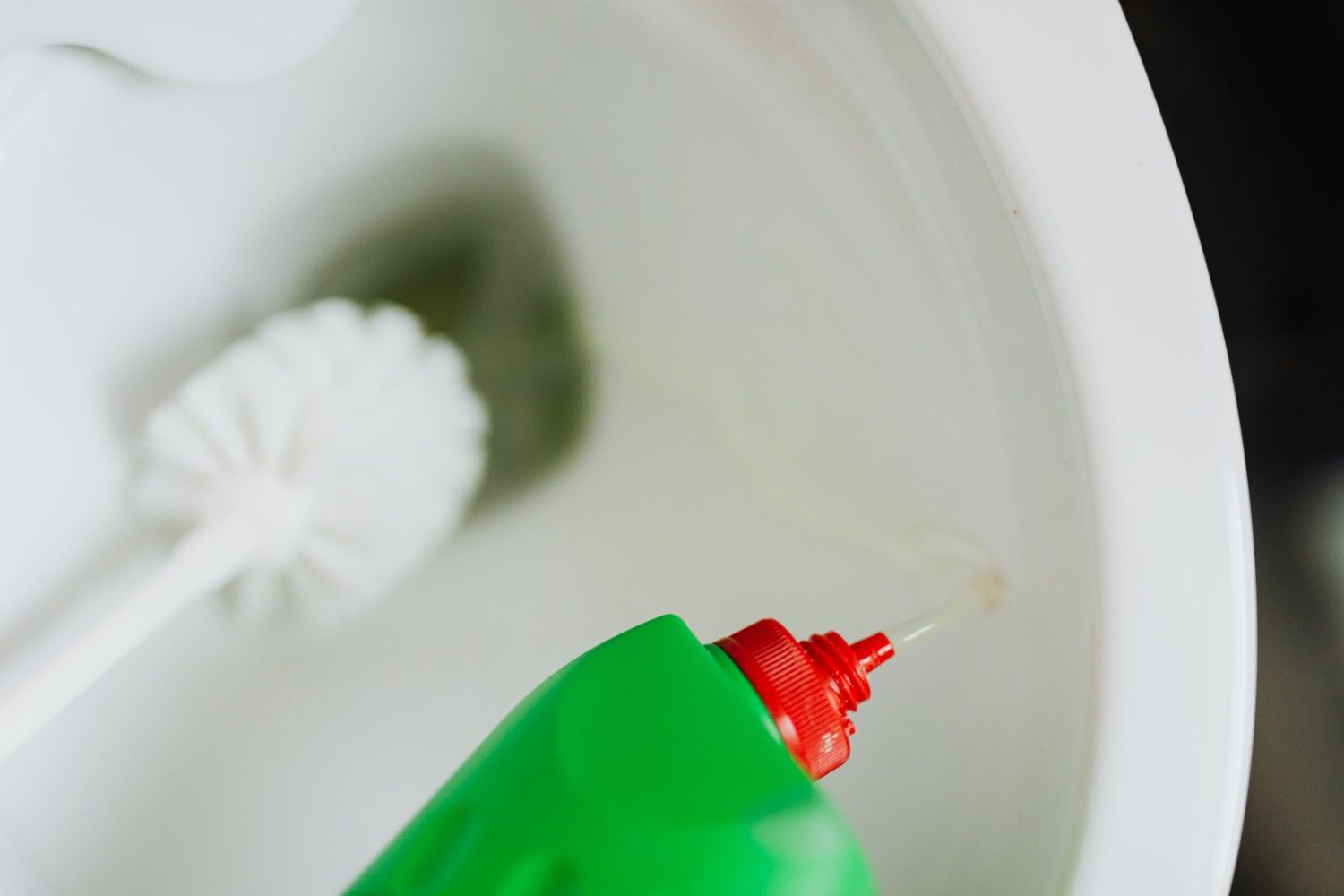
Before contacting a plumber, there are several simple troubleshooting steps you can attempt.
Flush and Observe
Flush the toilet several times and observe whether:
Water drains normally
Gurgling noises occur
The smell intensifies after flushing
This can provide clues about the source of the issue.
Pour Water Into Floor Drains
If your common bathroom is seldom used, pour a bucket of water into each floor drain.
This replenishes the water seal inside the trap and may eliminate sewer odours caused by evaporation.
Clean Hidden Areas
Sometimes bacteria and grime accumulate in overlooked areas, including:
Under the toilet rim
Around the toilet base
Floor drain covers
Overflow openings
Using appropriate bathroom cleaners may help remove surface odours.
Use a Plunger
If you suspect a minor blockage, a plunger can help loosen trapped debris and improve drainage.
Avoid excessive force, especially if the toilet is already close to overflowing.
Avoid Harsh Chemical Cleaners
Many commercial drain cleaners contain strong chemicals that can damage pipes over time.
Frequent use may worsen plumbing issues and make professional repairs more challenging.
When Should You Call a Professional Plumber?
While some toilet smell issues have straightforward fixes, others require specialised equipment and expertise.
You should contact a plumber if:
The smell returns repeatedly.
DIY methods provide only temporary relief.
You notice water leaks.
Multiple drains emit foul odours.
The toilet overflows or drains slowly.
Gurgling sounds continue.
The smell resembles sewage or rotten eggs.
Professional plumbers can perform detailed inspections to pinpoint the exact cause of the problem.
How Professional Plumbers Eliminate Toilet Smells
Licensed plumbers use several methods to diagnose and resolve bathroom odours.
These may include:
Drain Clearing
Specialised equipment removes stubborn blockages and debris buildup inside pipes.
Toilet Seal Replacement
Worn or damaged seals are replaced to prevent sewer gases from escaping.
Sewer Camera Inspection
Miniature cameras are inserted into drainage systems to identify hidden cracks, blockages, or damage.
Vent Pipe Inspection
Blocked vent systems are assessed and restored to proper functioning.
Targeted Repairs
Once the root cause is identified, permanent repairs can be carried out to eliminate the odour.
The goal is not just to mask the smell but to prevent it from recurring.
How to Prevent Future Toilet Smells
Preventive maintenance goes a long way in keeping your bathroom fresh.
Here are some simple habits to adopt:
Flush toilets regularly, even in unused bathrooms.
Pour water into floor drains weekly.
Avoid flushing non-flushable items.
Clean toilet bowls and drains routinely.
Schedule plumbing inspections if problems recur.
Address slow drainage promptly.
Taking these proactive steps can help minimise future plumbing issues and unpleasant odours.
Conclusion
A bad toilet smell is more than just an inconvenience. It can signal anything from a dry floor trap to a hidden sewer problem within your plumbing system.
While simple fixes like replenishing floor drains and basic cleaning may solve minor issues, persistent odours should never be ignored. Early intervention can prevent extensive damage, improve hygiene, and restore comfort to your home.
If your toilet smell keeps returning despite your best efforts, it may be time to seek professional help. An experienced licensed plumber in Singapore can identify the root cause and provide a lasting solution, ensuring your bathroom remains clean, safe, and odour-free.
Frequently Asked Questions
Cleaning removes surface dirt and bacteria, but persistent smells are often caused by plumbing issues such as dry traps, blockages, faulty seals, or sewer gas leaks.
Sewer gases can be unpleasant and may indicate underlying plumbing problems. Persistent sewage odours should be investigated promptly by a professional plumber.
You can try simple solutions such as pouring water into floor drains, cleaning hidden areas, or using a plunger. However, recurring smells usually require professional diagnosis.
Unused bathrooms are more likely to develop dry traps because the water seal evaporates over time, allowing sewer gases to enter the room.
Regular cleaning, maintaining water seals in floor drains, avoiding flushing inappropriate items, and addressing drainage issues early can help keep your bathroom odour-free.