

Are you experiencing the frustrating issue of leaking pipes concealed above your ceilings or walls?
Don't worry! In this comprehensive troubleshooting guide, we will unveil the mystery behind these hidden leaks. You'll find step-by-step instructions to locate, fix, and prevent these elusive pipe leaks, ensuring a dry and worry-free environment.
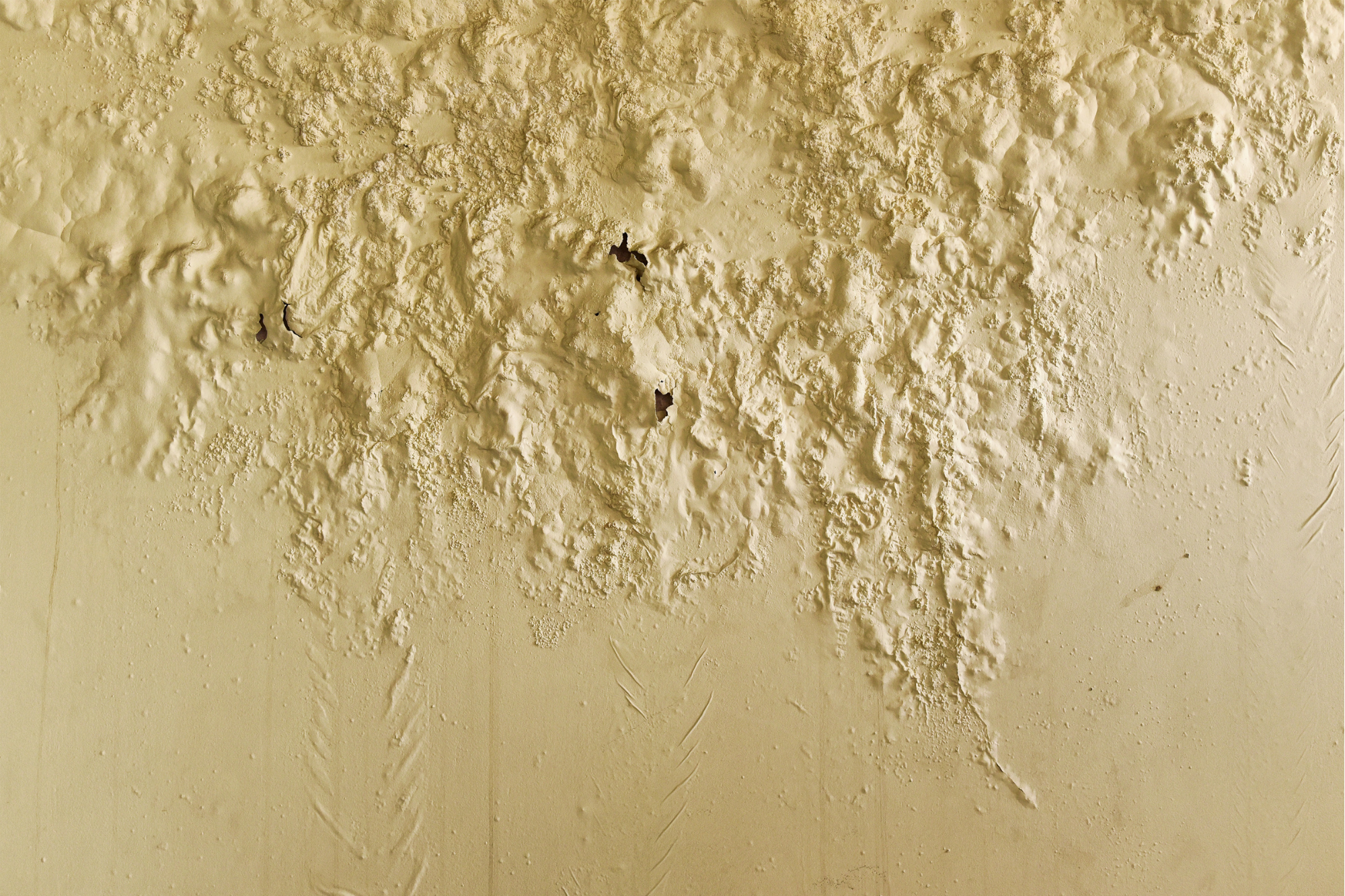
Understanding the Challenge of Leaking Pipes
Leaking pipes above ceilings or walls pose a significant challenge for homeowners and property managers. Not only can they cause structural damage, but they also create an environment conducive to mold growth, compromising indoor air quality and posing health risks. Therefore, it is crucial to address these leaks promptly and effectively.
Step-by-Step Troubleshooting Instructions
Step 1: Identifying Signs of a Leaking Pipe
Before diving into the troubleshooting process, it's essential to recognize the signs indicating the presence of a leaking pipe above your ceiling or wall. Look out for the following indicators:
1. Water stains or discoloration on the ceiling or walls.
2. Damp or musty odor in specific areas.
3. Peeling or bubbling paint or wallpaper.
4. Visible mold or mildew growth.
5. A decrease in water pressure or irregular water meter readings.
6. Unexplained sounds of dripping or running water.
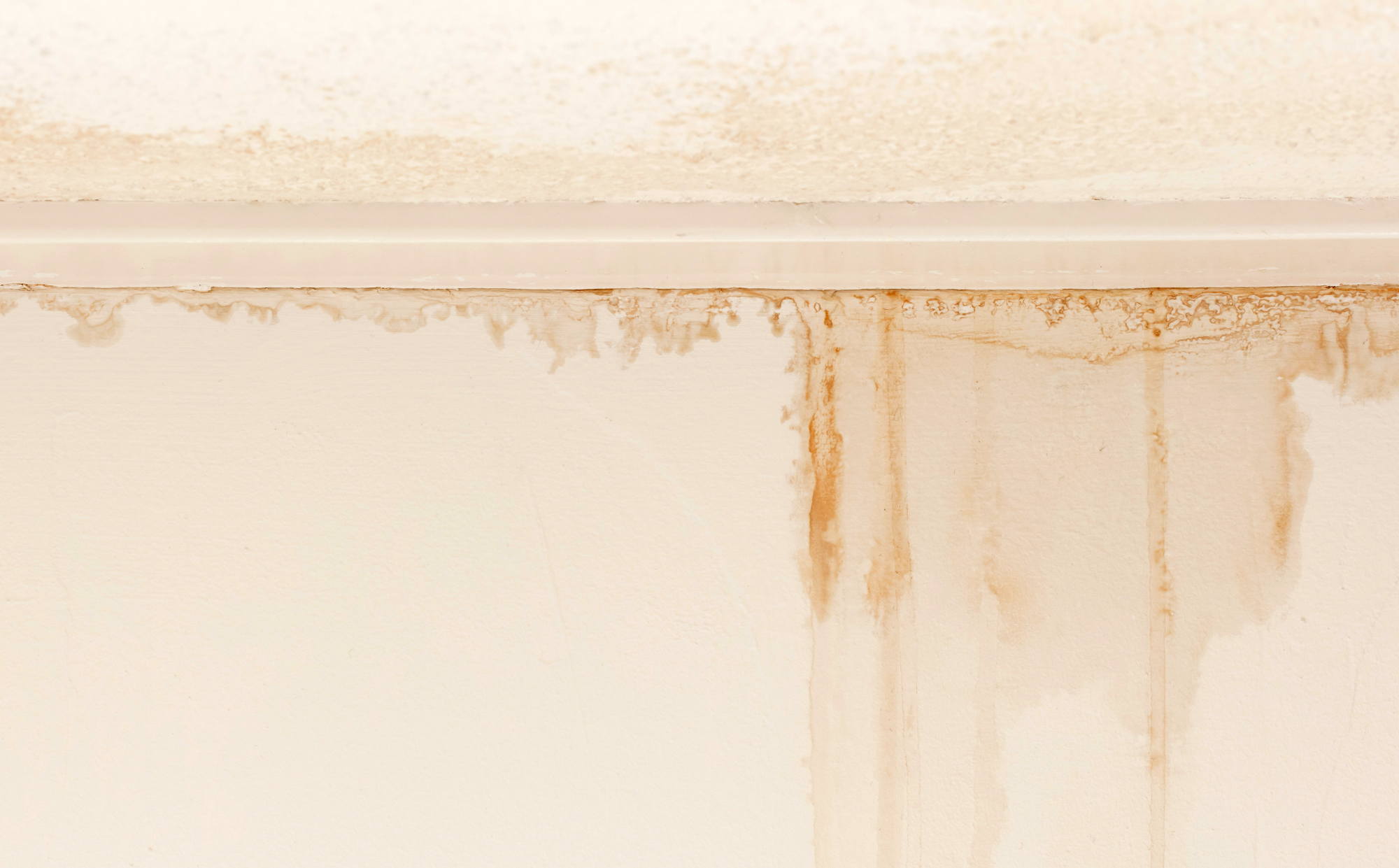
If you notice any of these signs, it's time to proceed with locating and fixing the leaking pipe.
Step 2: Gathering the Necessary Tools
To successfully troubleshoot and repair the leaking pipes, you will need the following tools:
1. Flashlight or headlamp: A reliable light source will help you navigate dark and tight spaces.
2. Protective gear: Wear gloves and safety goggles to protect yourself from potential hazards.
3. Tape measure: This will come in handy when measuring distances or assessing the extent of damage.
4. Drywall saw: A key tool for creating access points to reach the leaking pipe.
5. Adjustable wrench: Useful for tightening or loosening pipe fittings.
6. Pipe sealant: Apply this to seal any cracks or leaks in the pipe.
Make sure you have all these tools readily available before moving on to the next step.
Step 3: Locating the Leaking Pipe
Locating the source of the leak is essential to address the issue effectively. Follow these steps to find the exact location of the leaking pipe:
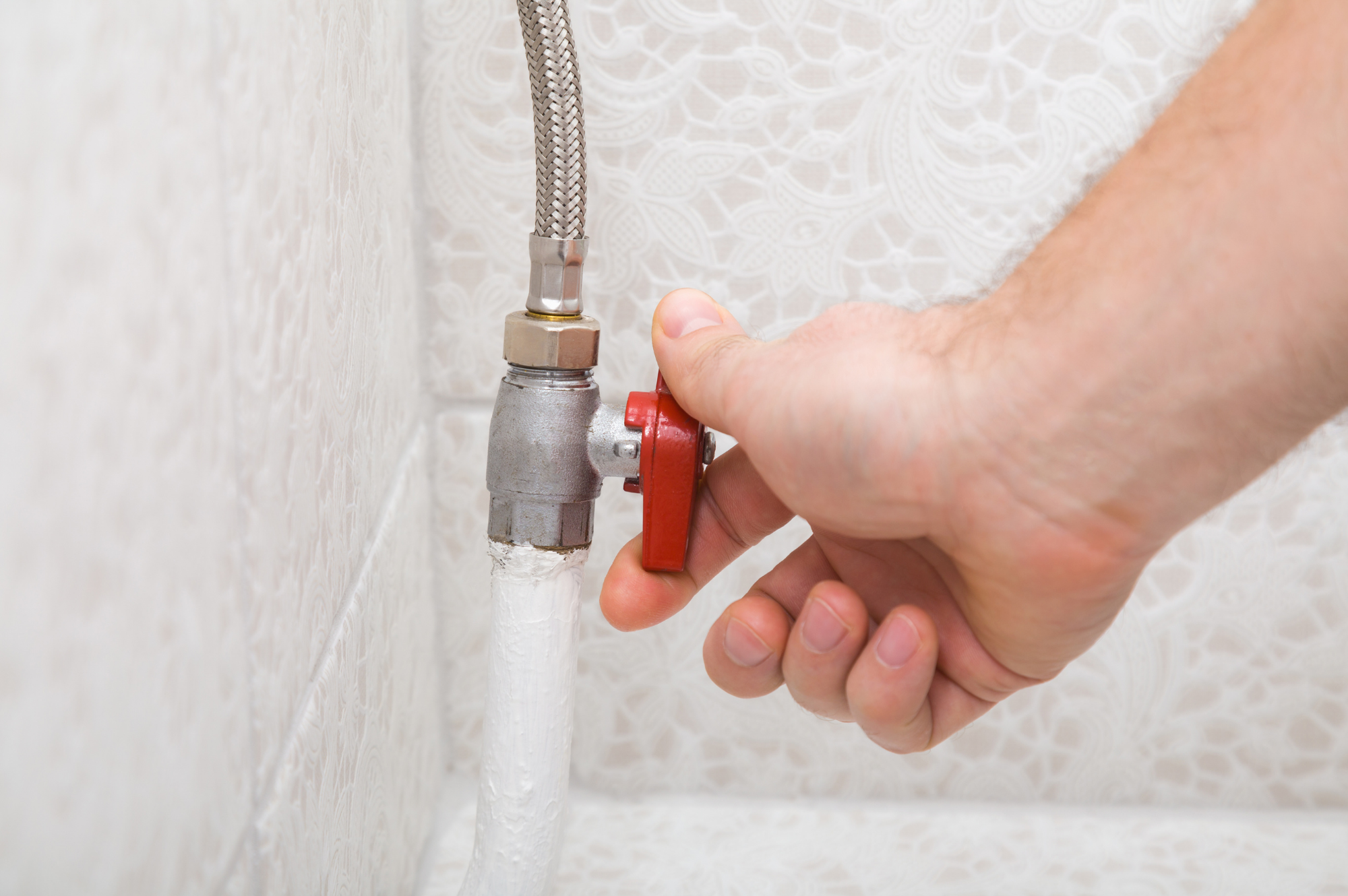
1. Turn off the water supply: Before beginning your search, shut off the main water supply to prevent further damage.
2. Visual inspection: Carefully examine the areas where you noticed the signs of water damage, such as stains, discoloration, or mold growth.
3. Listen for water sounds: Use your ears to identify any faint sounds of dripping or running water, which can guide you toward the source.
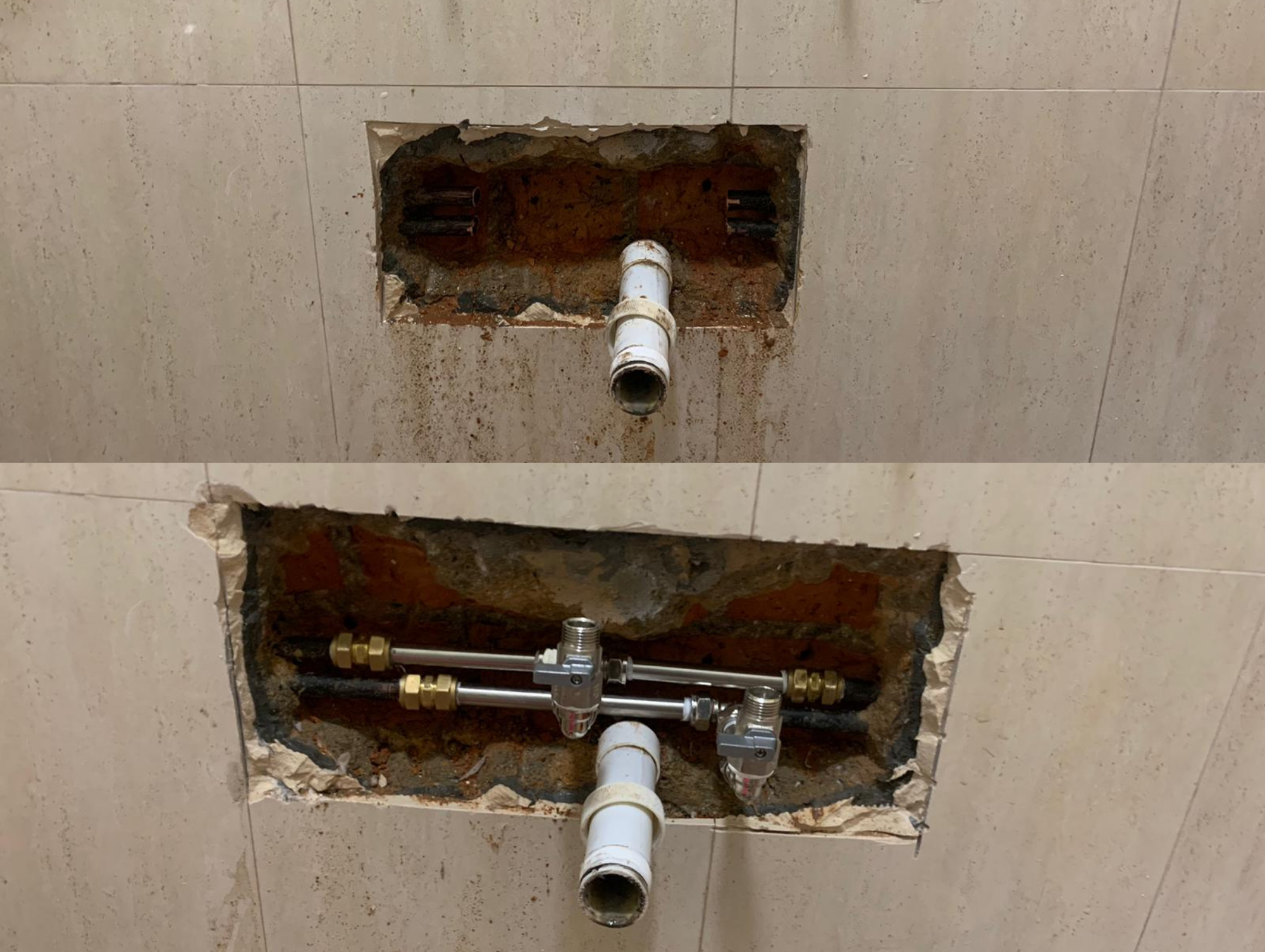
4. Access points: Based on the signs and sounds, create access points by cutting small holes in the affected areas using a drywall saw. Be cautious and avoid cutting electrical wires or other utilities.
5. Inspect the pipes: With the access points created, examine the pipes for visible signs of leaks, such as dripping or condensation.
Once you have located the leaking pipe, proceed to the next step to fix the issue.
Step 4: Fixing the Leaking Pipe
Repairing the leaking pipe requires careful attention and precision. Here's how you can fix the issue:
1. Clean the pipe: Use a clean cloth or sponge to wipe away any moisture or debris from the leaking area.
2. Apply pipe sealant: Apply a generous amount of pipe sealant to the leaking section, ensuring complete coverage.
3. Tighten fittings: Use an adjustable wrench to tighten any loose pipe fittings. Be cautious not to over tighten, as it may cause damage.
4. Replace damaged sections: If the leaking pipe has significant damage, consider replacing the affected section entirely. Consult a professional plumber if needed.
5. Test the repair: Turn on the water supply and observe the repaired section for any signs of leaks. Monitor the area closely over the next few days to ensure the issue is fully resolved.
Step 5: Preventing Future Leaks
Prevention is key to avoiding future headaches caused by leaking pipes. Take the following precautions to minimize the risk of concealed pipe leaks:
1. Insulate exposed pipes: Properly insulate pipes in unheated areas to prevent freezing and potential leaks.
2. Regular maintenance: Schedule regular inspections by a professional plumber to identify and address any potential issues promptly.
3. Monitor water pressure: Keep an eye on the water pressure in your plumbing system. High pressure can strain pipes and lead to leaks.
4. Avoid chemical drain cleaners: Harsh chemical drain cleaners can corrode pipes over time. Opt for alternative drain cleaning methods.
5. Act promptly: If you notice any signs of a potential leak, address it immediately. Timely action can prevent further damage and costly repairs.
Conclusion
Leaking pipes concealed above ceilings or walls can be a homeowner's nightmare. By following this comprehensive troubleshooting guide, you can locate, fix, and prevent these hidden leaks effectively. Remember, early detection and proactive maintenance are vital to keeping your property dry and free from the damaging effects of water leaks.