

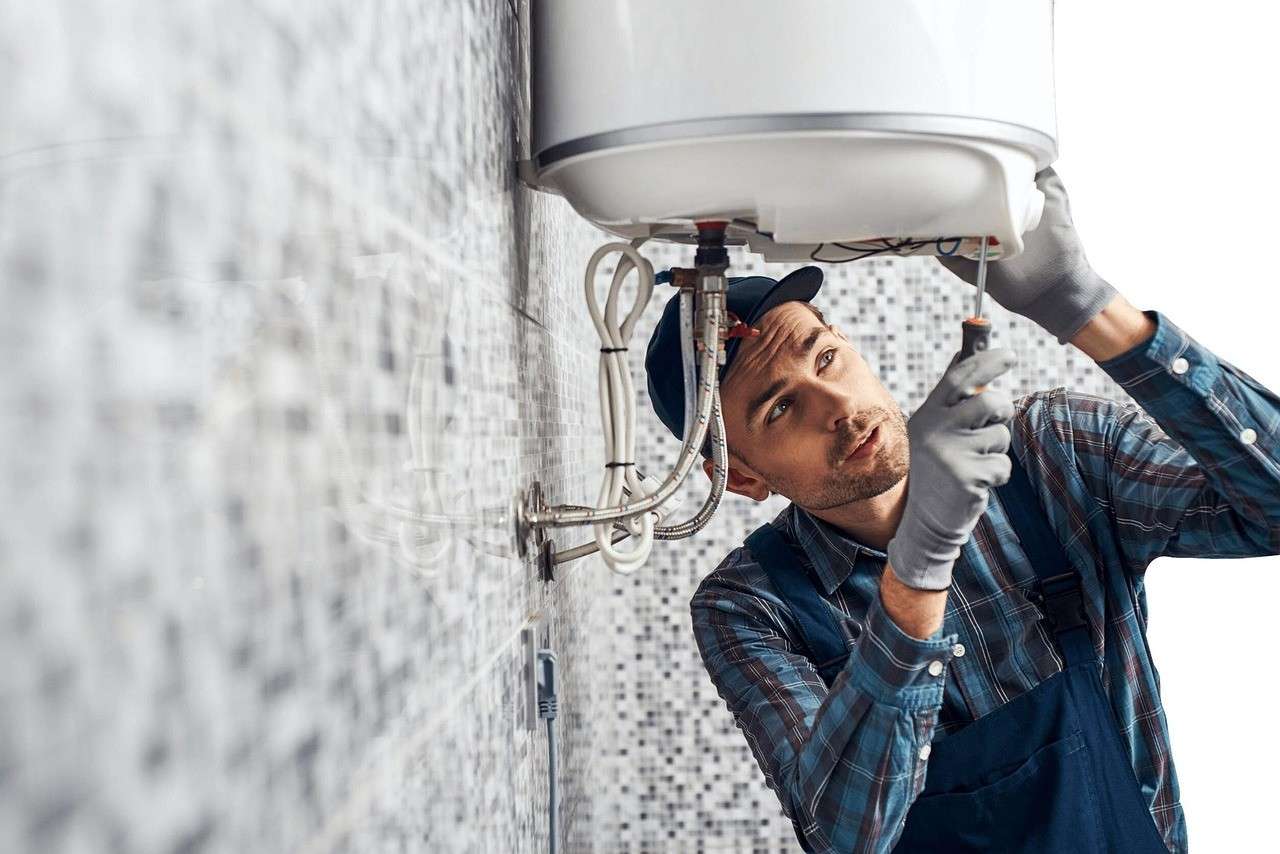
Plumbing issues in condos can quickly escalate from a minor inconvenience to a major disaster. Leaks, blocked drains, and burst pipes are not only costly to repair but can also cause significant damage to your property and disturb your neighbours. As homeowners in Singapore, understanding how to prevent plumbing disasters is crucial to maintaining a safe and comfortable living environment.
In this guide, we share a practical checklist for condo owners to protect their homes from plumbing problems. Following these steps can save you money, prevent unnecessary stress, and ensure your plumbing system remains in excellent condition.
1. Know Your Condo’s Plumbing Layout
The first step in preventing plumbing disasters is understanding your condo’s plumbing system. Every building has its unique pipework layout, including water supply lines, drainage systems, and gas connections.
Take the time to familiarise yourself with:
Main water shut-off valves
Hot water system connections
Drainage routes for bathrooms, kitchens, and utility areas
Knowing where these components are located allows you to act quickly in an emergency. For example, shutting off the main water valve immediately can prevent extensive flooding if a pipe bursts.
2. Inspect Your Pipes Regularly
Regular inspections can help identify issues before they turn into serious problems. Check for:
Signs of water pipe leaks around joints and connections
Rust or corrosion on metal pipes
Water stains on ceilings and walls
Strange noises from pipes when water is running
In Singapore’s humid climate, condensation and dampness can accelerate pipe corrosion, so paying attention to small signs of wear is essential. If you notice any issues, contact a professional plumber promptly to prevent further damage.
3. Clean Floor Traps and Drains Regularly
Floor trap chokes are a common cause of plumbing disasters in condos. Hair, soap scum, grease, and food particles can accumulate in pipes, causing slow drainage or complete blockages.
To keep your drains clear:
Use strainers in sinks, showers, and floor traps
Avoid pouring oil or grease down the sink
Flush drains with hot water regularly
Consider using enzyme-based drain cleaners if needed
Routine maintenance prevents unpleasant backups and reduces the risk of water damage to your home and your neighbours’ units.
4. Check Water Pressure
High water pressure can strain your plumbing system, leading to leaks or damaged fixtures. In condos, water pressure may vary depending on the floor level, which can impact pipe durability.
To manage water pressure:
Install a pressure-reducing valve if your condo unit experiences high pressure
Regularly monitor taps for unusual pressure changes
Replace old or worn-out valves promptly
Maintaining stable water pressure extends the lifespan of your plumbing and helps prevent costly repairs.
5. Protect Pipes from Temperature Changes
Singapore’s tropical climate might seem mild, but sudden temperature variations from air conditioning or hot water systems can affect pipes over time. Extreme heat from water heaters can stress older pipes, causing leaks or cracks.
To protect your pipes:
- Set your water heater to a safe temperature (not exceeding 60°C)
- Insulate exposed pipes in utility areas if necessary
- Avoid placing heavy objects on pipes that could cause stress
Taking these precautions reduces the likelihood of sudden pipe bursts.
6. Be Careful with Chemical Cleaners
Many homeowners rely on chemical drain cleaners to clear blockages. However, these products can damage pipes, particularly PVC or older metal piping, and may worsen existing problems.
Instead of harsh chemicals, opt for:
- Mechanical solutions, like a plunger or a drain snake
- Eco-friendly enzyme-based cleaners
- Professional cleaning services for stubborn blockages
This approach protects your pipes and keeps your condo’s plumbing system safe.
7. Schedule Annual Professional Inspections
Even with regular inspections, some plumbing issues require professional attention. Hiring a licensed plumber ensures your system is checked thoroughly and maintained correctly.
Key professional maintenance tasks include:
- Annual pipe inspections
- Water heater servicing
- Checking for hidden leaks behind walls or under floors
- Testing shut-off valves and water pressure
Investing in professional maintenance reduces the risk of emergencies and prolongs the life of your plumbing system.
8. Know Your Main Water Valve Location
In an emergency, shutting off the main water valve quickly can prevent extensive water damage. Make sure everyone in your household knows where the valve is located and how to operate it. Test it occasionally to ensure it’s working smoothly.
9. Monitor for Unusual Noises
Gurgling, banging, or whistling sounds from your pipes may indicate airlocks, sediment buildup, or loose fittings. Don’t ignore these sounds, have a plumber investigate the cause before it turns into a major issue.
10. Maintain Appliance Hoses
Inspect hoses connected to washing machines, dishwashers, and water heaters for cracks, bulges, or leaks. Replace them every 3–5 years or sooner if you notice signs of wear.
11. Check Toilet Components
Test toilet flush mechanisms and check for slow leaks by adding a few drops of food colouring to the cistern. If the colour appears in the bowl without flushing, you have a leak that needs fixing.
12. Educate All Household Members
Preventing plumbing disasters is a team effort. Make sure everyone in your home knows basic plumbing safety practices, such as:
- Not flushing inappropriate items down the toilet
- Avoiding grease and food waste in the sink
- Reporting leaks immediately
- Knowing the location of the main water shut-off valve
Education ensures that minor problems are addressed early and prevents careless actions that can lead to major damage.
13. Know Emergency Contacts
In a plumbing emergency, acting fast is crucial. Keep a list of trusted contacts handy, including:
- Your condo management office
- Licensed plumbing services in Singapore
- Emergency repair numbers for the water supply
Having this information accessible ensures that you can respond quickly to any plumbing incident, minimising damage to your home and other units in the building.
Conclusion
Preventing plumbing disasters in Singapore condos requires a proactive approach. By knowing your plumbing layout, performing regular inspections, maintaining drains, managing water pressure, and seeking professional maintenance, you can significantly reduce the risk of costly damage.
Remember to educate household members, keep emergency contacts handy, replace old fixtures, and review insurance coverage. A little effort today can save a great deal of trouble tomorrow.
Following this checklist ensures your condo remains safe, functional, and comfortable, while protecting your investment and your neighbours from unnecessary disruption.
For reliable plumbing maintenance and emergency services in Singapore, contact us to safeguard your home and prevent disasters before they happen.
FAQs
Monthly self-checks and annual professional inspections are recommended.
Unexplained water bills, damp spots, or mould growth are red flags.
Avoid frequent use, as these can damage pipes over time.
Owners are typically responsible within their unit; check your MCST rules.
Shut off the main valve and call a licensed plumber immediately.