

Ceiling leaks are a frequent problem in Singapore homes, and if left unchecked, they can lead to serious damage. From water stains and sagging ceilings to mould growth and structural issues, the consequences of ignoring leaks can be costly and hazardous.
Singapore’s tropical climate, with its high humidity and frequent rainstorms, makes homes particularly vulnerable. By understanding the types of ceiling leaks and learning how to repair them, homeowners can protect their property and maintain a safe, comfortable living environment.
This guide explores the four most common ceiling leaks, their causes, and practical solutions. It also highlights when to hire a licensed plumber in Singapore to ensure safe and effective repairs.
1. Roof Leaks
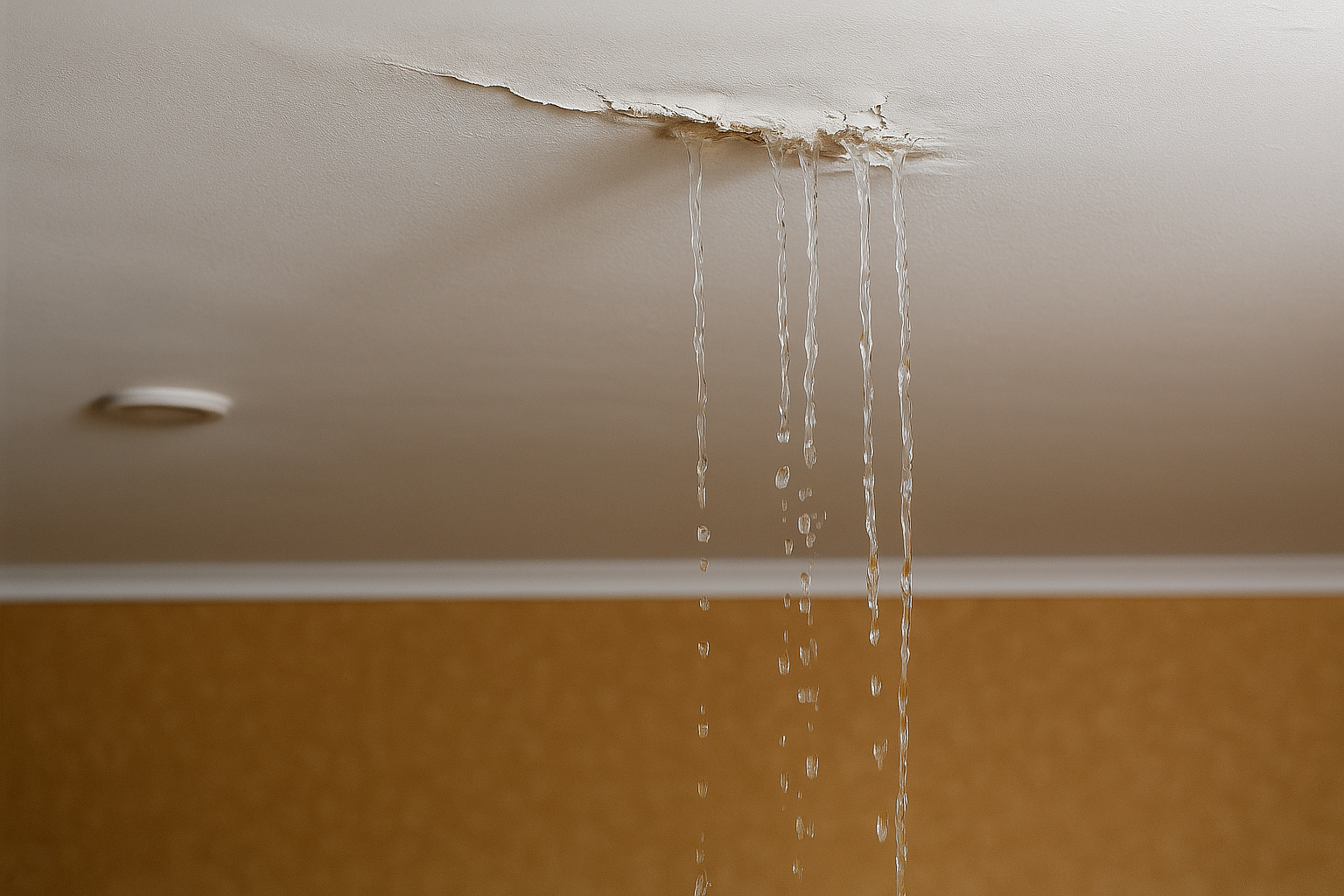
Signs of Roof Leaks Roof leaks often become visible through water stains on the ceiling, damp patches, sagging plaster, or even peeling paint. You might also notice a musty smell, which indicates water accumulation and the early formation of mould.
Causes of Roof Leaks Common causes of roof leaks include damaged or missing roofing tiles, poor flashing, clogged gutters, and natural wear and tear. Singapore’s heavy rainfall and occasional thunderstorms can exacerbate these issues, allowing water to seep through the roof and drip into the ceiling.
How to Fix Roof Leaks Repairing a roof leak typically involves inspecting the roof for visible damage, replacing broken tiles, sealing cracks, and clearing blocked gutters. For difficult-to-access areas or extensive damage, it is advisable to hire an expert. A professional can safely address water ingress and prevent recurring issues.
2. Plumbing Leaks
Signs of Plumbing Leaks Plumbing leaks usually appear above bathrooms, kitchens, or laundry areas. Typical signs include persistent damp patches, water dripping through the ceiling, peeling paint, and sometimes a subtle musty smell.
Causes of Plumbing Leaks Leaks from plumbing systems may result from corroded or aging pipes, faulty seals, high water pressure, or loose joints. Many HDB flats in Singapore have older plumbing systems, increasing the risk of leaks in ceiling spaces.
How to Fix Plumbing Leaks Start by turning off the water supply to prevent further damage. Inspect pipes and joints carefully, tightening or replacing faulty connections as needed. For hidden leaks or complex issues, it is safer to engage a licensed plumber. You can also learn more about repairing hidden issues on our Ceiling Pipe Leaks page.
3. Air Conditioning Leaks
Signs of AC Leaks Water pooling around air conditioning units or damp spots on the ceiling near vents are common signs. Sometimes the water is subtle, appearing as small droplets or slight discolouration.
Causes of AC Leaks Blocked drainage lines, improper installation, and insufficient maintenance are typical causes. Given Singapore’s tropical climate, most households rely heavily on air conditioning, making leaks from condensation a common concern.
How to Fix AC Leaks Check the drainage lines and ensure they are clear. Inspect the unit for installation issues, and arrange regular servicing to prevent leaks. If problems persist, it is wise to contact a professional.
4. Condensation Leaks
Signs of Condensation Leaks Condensation leaks can appear as damp patches, mould growth, or a persistent musty smell. These often occur on ceilings or walls that are in contact with cold surfaces.
Causes of Condensation Leaks High indoor humidity and poor ventilation are the main contributors. Singapore’s year-round humidity can make homes prone to condensation, particularly in bathrooms, kitchens, and air-conditioned rooms.
How to Fix Condensation Leaks Improve airflow by using exhaust fans in bathrooms and kitchens. Dehumidifiers can reduce indoor moisture, and insulating cold water pipes may prevent condensation from forming. Regular monitoring and ventilation can significantly lower the risk of condensation leaks.
Steps to Fix Ceiling Leaks
Regardless of the type of leak, a systematic approach ensures effective repair:
Identify the Source Carefully trace the leak to find its origin. This step ensures repairs address the root cause, not just the symptoms.
Contain the Leak Place buckets or containers under the leak to prevent water damage to floors, furniture, and walls.
Dry the Area Use fans, natural ventilation, or dehumidifiers to dry the ceiling thoroughly, preventing mould and mildew formation.
Repair the Leak Depending on the cause, repairs may include replacing roofing tiles, sealing pipe joints, clearing AC drainage lines, or improving insulation.
Restore the Ceiling Patch any holes or cracks and repaint the ceiling to restore its appearance.
For leaks that are hard to access or require specialised tools, professional help is recommended. Engage an expert plumber for reliable and safe repair solutions.
Preventing Future Ceiling Leaks
Proactive measures can prevent future ceiling leaks and minimise potential damage:
Regular Maintenance Inspect roofs, plumbing, and AC systems regularly. Timely maintenance identifies minor issues before they escalate.
Proper Ventilation Ensure your home has sufficient airflow to reduce humidity and prevent condensation-related leaks.
Timely Repairs Fix minor problems promptly to avoid costly damage. For plumbing issues, a quick consultation with a plumber in Singapore can save significant time and money.
By incorporating these practices, homeowners can maintain a safe and dry living environment and protect their investment.
Conclusion
Ceiling leaks can affect any home in Singapore, but knowing the common types and their causes makes it easier to act promptly. Roof leaks, plumbing leaks, AC leaks, and condensation leaks each require different solutions, but early intervention is crucial.
Whether tackling minor leaks yourself or hiring a professional, addressing the issue promptly prevents mould growth, structural damage, and expensive repairs. For expert assistance, contact a licensed plumber in Singapore today and ensure your home stays safe and dry.
FAQs
Roof leaks usually appear during heavy rain, affecting the ceiling directly below the roof. Plumbing leaks often occur continuously, especially above bathrooms or kitchens.
Minor leaks, such as small cracks or AC drainage issues, can be addressed DIY. For roof or plumbing leaks, hiring a licensed plumber is recommended.
Costs vary based on severity and source. Minor AC or condensation fixes may be affordable, but roof or plumbing repairs often require professional services.
How often should I inspect my home to prevent ceiling leaks?
Regular inspections every 6–12 months for roofs, plumbing, and AC systems help detect issues early and prevent major leaks.