

A sudden high water bill in Singapore is often caused by a leak you can’t easily see, like a running toilet, a dripping valve, or a concealed pipe leak. The fastest way to narrow it down is to check toilets and heaters first, then look for damp patches, dripping sounds, or unexplained water flow.
First: Confirm It’s Not A Normal Usage Change
Before assuming a leak, quickly rule out:
Guests staying over / higher household usage
More laundry than usual
Renovation cleaning / heavy mopping
Watering plants more often
A faulty appliance is using more water than normal
If none of these applies, move to the plumbing checks below.
9 Plumbing Causes That Commonly Spike Water Bills
Cause 1: Running toilet (silent leak)
A toilet can leak continuously into the bowl without an obvious noise. In many homes, these small leaks go unnoticed for months, which is why regular toilet bowl leak checks and repair are important to prevent water waste and higher utility bills.
Signs:
The water level in the bowl looks slightly “moving”
You hear occasional refilling
The toilet seems to refill randomly
Quick check:
Put a few drops of food colouring into the cistern.
Wait 10–15 minutes without flushing.
If colour appears in the bowl, the toilet is leaking.
Cause 2: Leaking tap or mixer (small drip, big monthly waste)
A slow drip can add up over weeks, wasting a surprising amount of water and increasing your utility bills. In many cases, a simple leaking tap repair can quickly stop the problem and prevent further water loss.
Signs:
Drip marks, water stains, and constant dampness around the tap base
Dripping sound at night
Cause 3: Water heater leak (especially at valves/connection points)
Heater leaks can be steady and go unnoticed if the water drains away, potentially causing damage over time. Regular water heater leaking checks can help detect issues early and prevent costly repairs.
Signs:
Dampness near the heater area
Rust marks, water trails
Musty smell near the heater cabinet
Cause 4: Concealed pipe leak (behind walls/ceilings)
A concealed pipe leak is one of the biggest “bill spike” causes because it can run continuously.
Signs:
Damp patches, paint bubbling, mould smell
Water stains on the ceiling
Dripping sounds when everything is off
Cause 5: Leaking pipe joints or valves under the sink
Leaks under cabinets may go unnoticed if the cabinet base hides it.
Signs:
Swollen cabinet wood, damp floor, mould smell
Wet cleaning cloths that never fully dry in the cabinet
Cause 6: Float valve/inlet valve issues (toilet cistern keeps refilling)
Even if it’s not leaking into the bowl, a faulty valve can cause frequent refills.
Signs:
You hear the cistern topping up often
The water level in the cistern seems unstable
Best next step:
Replace worn components rather than “adjusting endlessly”
Cause 7: Outdoor / service yard leaks (hoses, bib taps, washing machine taps)
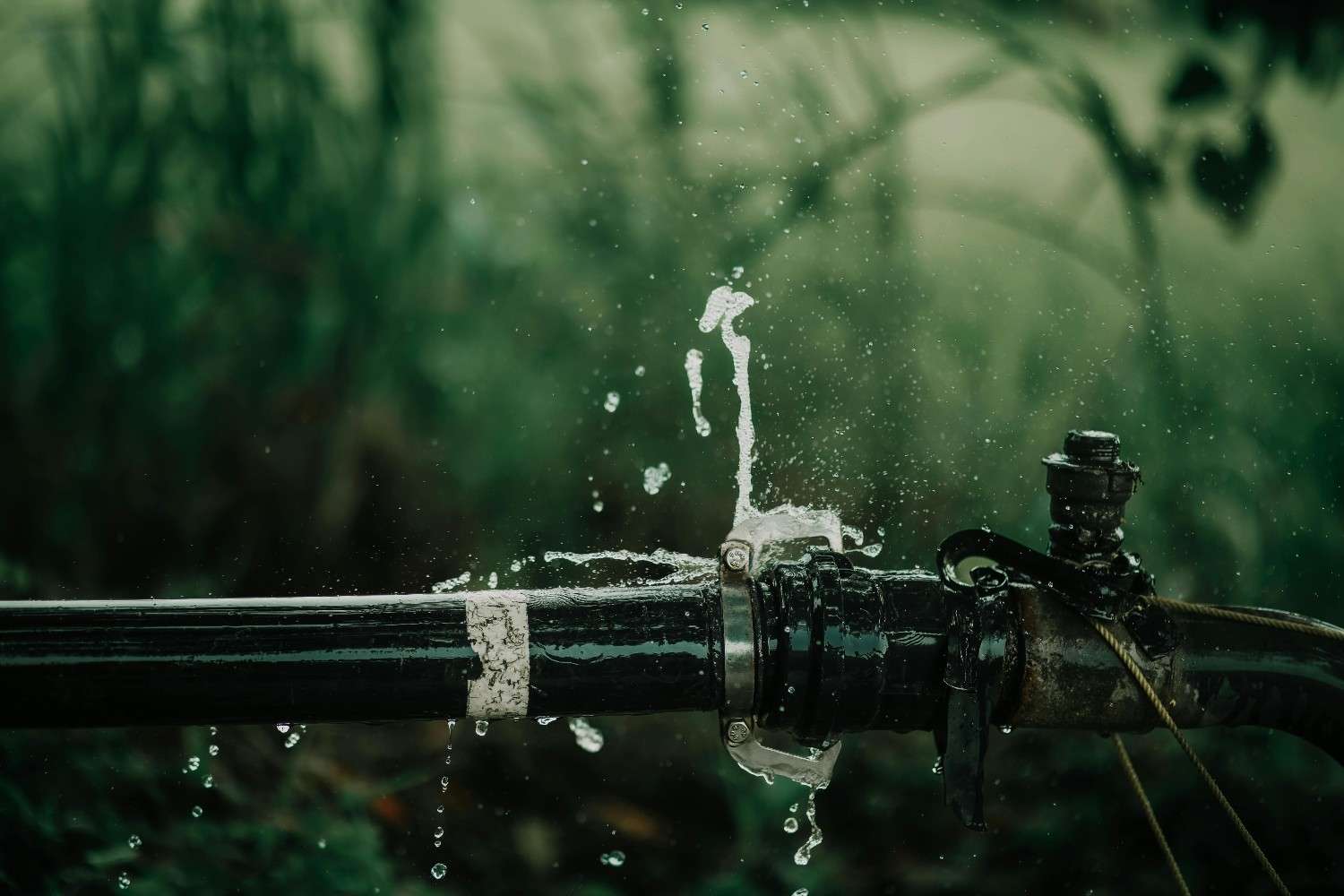
Small leaks at connectors can run during usage and drip after.
Signs:
Wet patches near the service yard tap
Leaks when the washing machine runs
Cause 8: Pressure-related leaks (leaks appear only at certain times)
Some leaks worsen when pressure is higher, so you might not see it during quick checks.
Signs:
Dampness that appears “randomly”
Drips that happen at night or early morning
Next step:
Proper inspection to locate the weak point
Cause 9: A slow drainage issue causing overflow/clean-up water usage
If you’re repeatedly flushing/trying to clear chokes, you may be using more water than you realise.
Signs:
Frequent flushing due to a toilet choke
Running taps longer because the sink drains slowly
A Simple 10-Minute Checklist To Narrow Down The Cause
Step 1: Check toilets firstDo the food colouring test on the most-used toilet.
Step 2: Check the water heater areaLook for dampness, rust trails, and wet valves.
Step 3: Check under sinks and in cabinetsFeel for dampness around joints and traps.
Step 4: Look for wall/ceiling damp patchesEspecially near bathrooms, the kitchen, and the heater areas.
Step 5: If you suspect a concealed leak, don’t waitConcealed leaks can cause long-term damage (mould, wall damage) beyond the bill.
When To Call A Plumber (And What To Prepare)
Call an emergency plumber if:
You confirm a running toilet leak
You see damp patches on walls/ceilings
You notice the heater is leaking
You can’t identify the source, but the bill spike is significant
What to prepare (speeds up diagnosis):
Which area do you suspect (kitchen/toilet/heater)
Photos of damp patches/valves / under-sink joints
When you first noticed the spike
Frequently Asked Questions
Yes. A silent toilet leak can waste a surprising amount of water daily, especially if it runs continuously.
Look for damp patches, paint bubbling, mould smell, ceiling stains, or dripping sounds when taps are off.
If you suspect a leak, it’s better to check early. Waiting can increase damage and costs.
Yes. Leaks at valves or connections can drip into drains or cabinets and go unnoticed until damage appears.
The food colouring test in the cistern is quick and reliable.
Yes. Concealed pipe leaks and toilet leaks often don’t show as visible drips at taps.
Yes. Small spikes can indicate early-stage leaks that get worse over time.
Shut off the nearest valve (or main supply if needed), switch off the heater power if relevant, and contact an emergency plumber.