

If your kitchen sink keeps clogging, it usually means the blockage was only partially cleared, or the build-up is deeper in the pipe than the trap. Grease, food residue, and soap scum can form a sticky layer that catches debris again and again. The fix is to clear the full line and prevent new build-up.
The “Recurring Clog” Pattern (What It Usually Means)
Most people clear a sink clog once and expect it to stay fine. When it clogs again within days or weeks, it’s typically one of these situations:
- The blockage is deeper than the U-trap (trap is clear, but the line isn’t)
- The pipe walls are coated with grease build-up, so debris keeps sticking
- The clog is only partially broken up, not removed
- There’s a flow problem (poor pipe fall, venting issues, or a shared line backing up)
The key point: recurring clogs are rarely “bad luck”. They’re usually a repeatable cause.
9 Common Reasons Your Kitchen Sink Keeps Clogging
Cause 1: Grease build-up (the #1 culprit)
Even if you don’t pour oil directly, greasy sauces, soup, curry, and dishwashing residue can coat the pipe walls. Over time, the pipe narrows and catches food bits easily.
Signs:
- Slow draining that gets worse over the weeks
- Bad smell that returns quickly
- A clog happens after washing oily dishes
- Stop pouring oil/grease into the sink (wipe pans first)
- Flush with hot water after washing greasy items (not boiling if your plumbing can’t handle it)
Cause 2: Food debris slipping past the strainer
Rice, noodles, coffee grounds, and small scraps can slip through and settle in the trap or line.
Signs:
- Clog happens after cooking-heavy days
- You see debris in the strainer area
What to do:
- Use a finer mesh strainer
- Empty it daily (don’t let it overflow)
Cause 3: Soap scum + detergent build-up
Some detergents and soaps combine with minerals and grease, creating a sticky sludge.
Signs:
- Greyish residue around the drain
- Water drains but leaves a film/smell
What to do:
- Reduce heavy soap usage
- Rinse with warm water after washing
Cause 4: Partial blockage (you “punched a hole” through it)
Many quick fixes create a small channel through the clog, so water drains temporarily. But the clog remains and reforms.
Signs:
- It drains for a day or two, then slows again
- Gurgling sounds return
What to do:
Aim to remove the blockage fully, not just “make it drain”
Cause 5: The clog is in the branch line, not the trap
If the trap is clear but the branch line is coated or blocked, the sink will keep choking.
Signs:
- You cleaned the trap, but the problem returns
- Water backs up when you run the tap for longer
What to do:
This usually needs proper clearing deeper in the line
Cause 6: Poor pipe fall (water doesn’t flow strongly enough)
If the pipe slope is wrong, water moves too slowly and leaves residue behind.
Signs:
- Slow drain even when “not clogged”
- Frequent minor chokes
What to do:
A licensed plumber may need to inspect and correct the pipe alignment (especially after renovations)
Cause 7: Shared line issues (kitchen line connects to other fixtures)
In some homes, the kitchen sink line may be affected by other drainage points.
Signs:
- Sink backs up when another fixture is used
- Multiple drains are slow around the same time
What to do:
Treat it as a system issue, not just a sink issue
Cause 8: Foreign objects in the drain (small but stubborn)
Bottle caps, plastic bits, sponge fragments, or packaging can lodge and trap debris.
Signs:
- Sudden clog that keeps returning
- You dropped something recently
What to do:
Avoid forcing it down with water pressure; drain choke and floor trap choke clearing is safer
Cause 9: Overuse of harsh drain chemicals
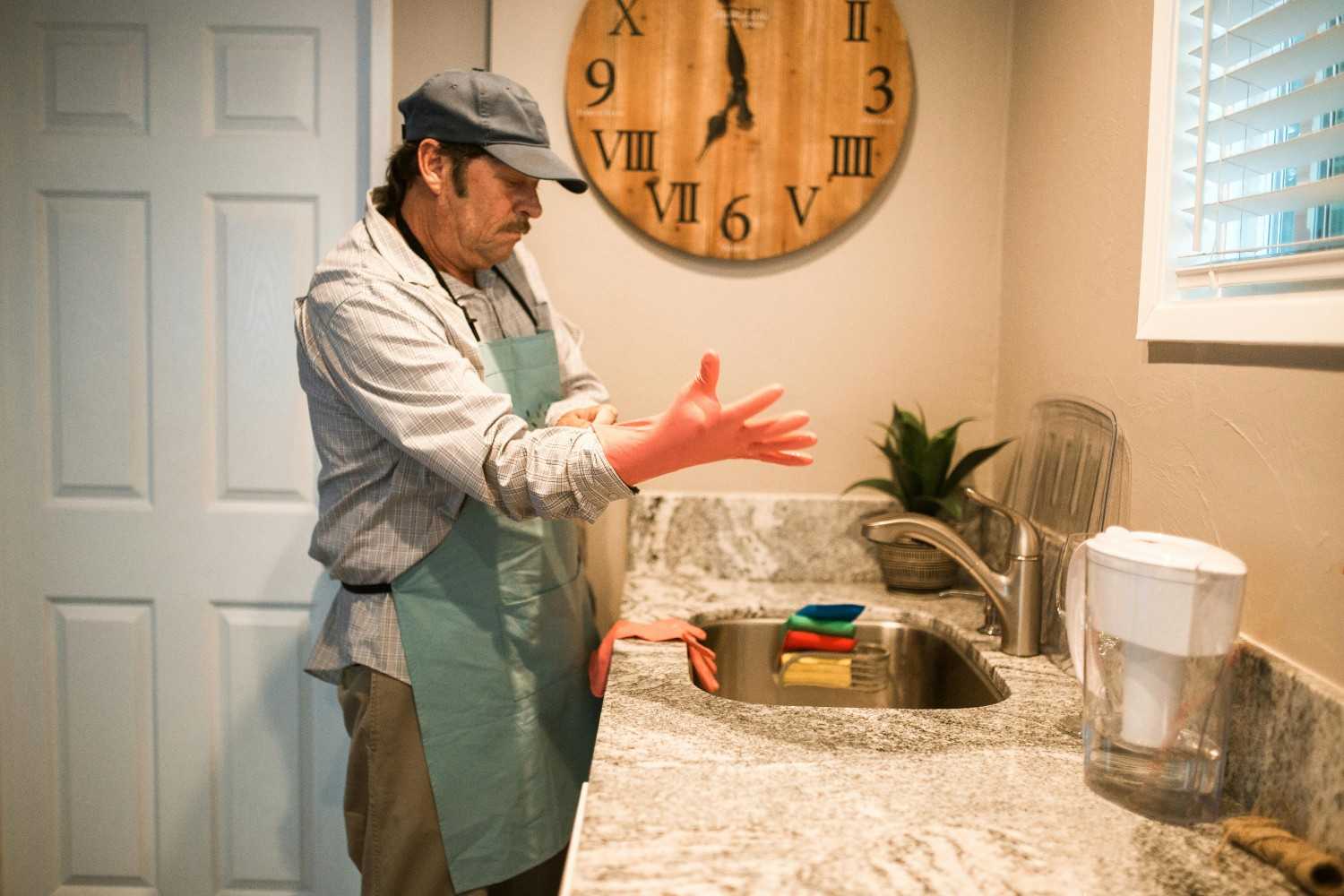
Strong chemicals can damage pipes and may harden grease into a tougher mass. They can also make professional clearing harder and risk splashes.
Signs:
- Temporary improvement, then worse clog
- Strong chemical smell lingering
What to do:
Avoid repeated chemical use; use safer methods or call a professional
What You Can Do Safely At Home (Without Making It Worse)
Important: If water is backing up fast or there’s overflow risk, stop running water and address it first.
Step 1: Stop using the sink for 30–60 minutesLet standing water settle so you can assess drainage.
Step 2: Remove and clean the sink strainerClear visible debris. This alone can solve minor issues.
Step 3: Try a hot water flush (safe version)Run hot tap water for 1–2 minutes (not boiling water poured directly unless you’re sure your pipes can handle it). This helps soften grease.
Step 4: Check the trap (if accessible and you’re comfortable)Place a bucket under the trap, open it carefully, remove debris, and re-seal properly.
Step 5: Test drainageRun water for 30–60 seconds. If it still drains slowly or gurgles, the blockage is likely deeper.
What NOT to do (to avoid damage)
- Don’t keep pouring chemicals repeatedly
- Don’t force objects down the drain
- Don’t keep running water if it’s backing up (it can overflow and cause damage)
When It’s Time To Call A Plumber (And Why)
Call a plumber for a sink choke clearing service if:
- The sink clogs repeatedly within 1–2 weeks
- Water backs up quickly or threatens overflow
- You’ve cleaned the trap, but it still returns
- Multiple drains are slow (possible shared line issue)
- There’s a persistent sewage-like smell
Why professional clearing works better:
- It clears the blockage fully, not partially
- It removes build-up along the pipe walls
- It helps identify whether the issue is slope, venting, or a deeper line problem
How To Prevent Recurring Sink Clogs (Simple Habits That Work)
- Wipe oily pans before washing
- Use a fine mesh strainer
- Don’t rinse rice/noodles directly into the sink without catching solids
- Run hot tap water briefly after cooking and clean-ups
- Avoid treating chemicals as a “monthly maintenance” habit
Frequently Asked Questions
Usually the clog was only partially cleared, or there’s grease build-up deeper in the pipe that keeps catching debris.
Occasional slow draining can happen, but frequent clogs usually point to build-up, partial blockages, or a flow/slope issue.
It may help with mild odours and light residue, but recurring clogs often need deeper clearing to remove grease build-up properly.
Repeated use can damage pipes and may worsen certain blockages. If the issue keeps returning, it’s better to clear the root cause.
Gurgling can mean partial blockage, poor flow, or air/venting issues in the drainage line.
Prevent grease build-up (wipe pans, strain solids) and clear the line properly if the clog is already recurring.
If it’s accessible and you’re comfortable, you can. If the issue returns, the blockage is likely deeper and needs proper clearing.
Slow draining often gets worse over time. Early action prevents a full blockage and potential overflow.