

Introduction
Floor trap smell is a common issue that many homeowners encounter. It can be an unpleasant experience, causing discomfort and embarrassment. Understanding the causes, prevention methods, and solutions for floor trap smell is essential to maintain a fresh and odor-free environment in your home. In this article, we will explore the topic of floor trap smell in detail and provide you with
practical tips to tackle this problem effectively.

Understanding Floor Trap Smell
Floor trap smell refers to the unpleasant odors that arise from the floor drains in a building or household. These odors can be caused by various factors, including stagnant water, organic matter buildup, and sewer gas leakage. It is important to identify and address the underlying causes to eliminate the odor and prevent its recurrence.
What Causes Floor Trap Smell?
The floor trap in your home is designed to prevent foul odors from the sewer system from entering your living spaces. However, when the floor trap dries out or becomes clogged with debris, it can lead to the release of unpleasant smells or even a floor trap choke. Some common causes of floor trap smell include:
- Dried out floor trap: If the floor trap is not used frequently, the water inside it can evaporate, allowing sewer gases to escape.
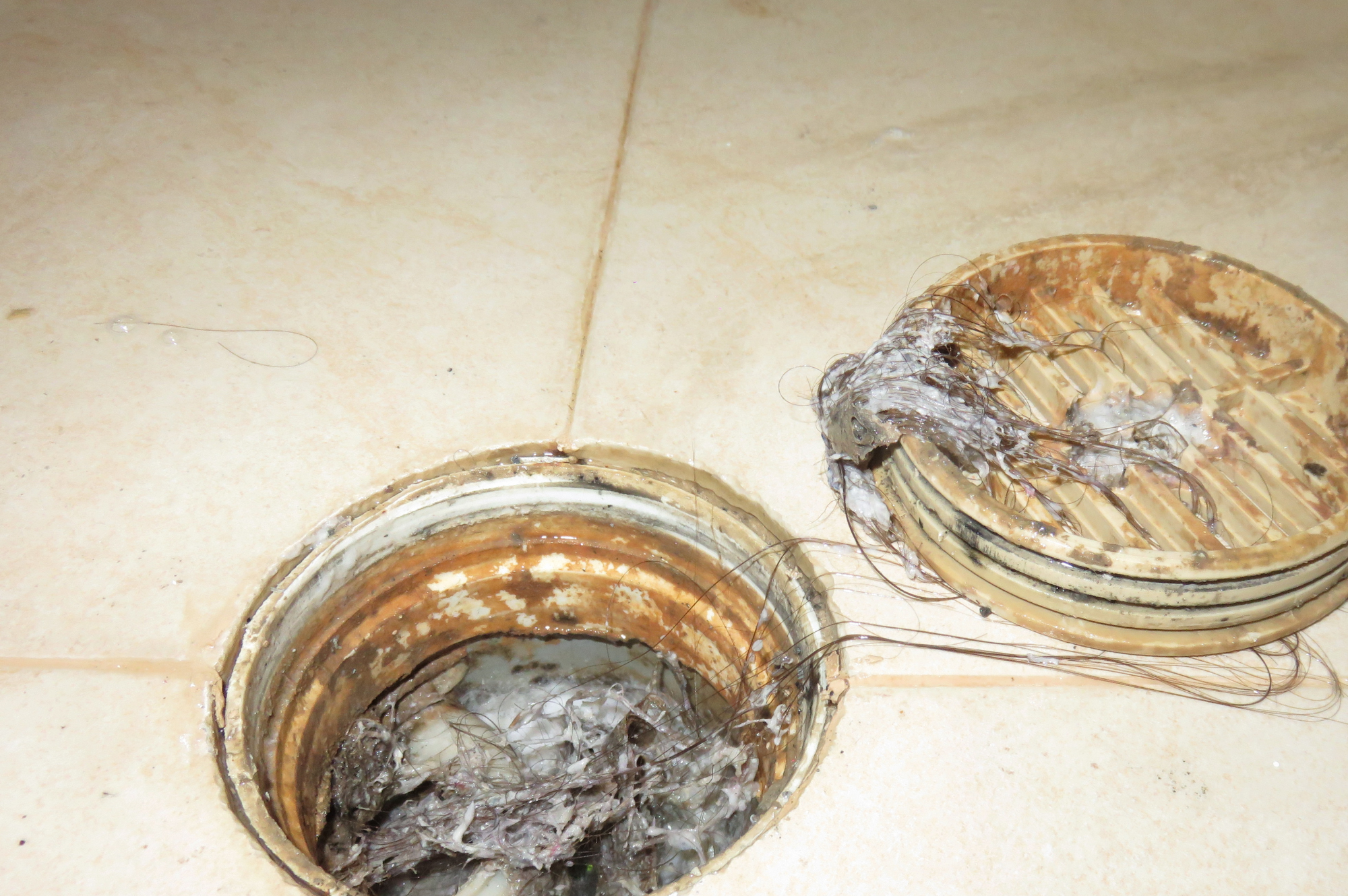
- Organic matter buildup: Accumulation of hair, soap scum, food particles, and other organic materials in the floor trap can create a breeding ground for bacteria and produce foul odors.
- Sewer gas leakage: Cracks or damaged seals in the plumbing system can result in the escape of sewer gases, leading to a strong and unpleasant smell.
Common Sources of Floor Trap Odors
To effectively tackle floor trap smell, it is important to identify the common sources of these odors. Some of the main sources include:
- Bathroom drains: The floor trap in bathrooms can accumulate hair, soap residue, and other debris, causing foul smells.
- Kitchen drains: Food particles, grease, and oil can build up in kitchen drains, leading to the emission of unpleasant odors.
- Basement or utility room drains: Stagnant water and debris in these drains can create an ideal environment for bacteria growth and odor formation.
Effects of Floor Trap Smell
Floor trap smell can have several negative effects on your living environment. It can cause discomfort, make your home less inviting, and create an unhygienic atmosphere. Additionally, persistent floor trap odors can also indicate underlying plumbing issues that may require professional attention. It is important to address these smells promptly to maintain a clean and fresh living space.
How to Identify Floor Trap Smell
Identifying floor trap smell is the first step towards resolving the issue. By recognizing the signs and symptoms of floor trap odors, you can take appropriate measures to eliminate them. Here are some indicators that can help you identify floor trap smell:
Signs and Symptoms of Floor Trap Odors
- Foul and musty odors emanating from floor drains.
- Lingering smell even after cleaning the affected areas.
- Recurring smell despite temporary solutions.
- Presence of insects or pests near floor drains.
Testing for Floor Trap Smell
If you suspect floor trap smell in your home but are unsure about its origin, you can perform some simple tests to confirm its presence. These tests can help you determine whether the smell is coming from the floor trap or any other source. Here are a few methods to test for floor trap smell:
1. Pour a small amount of water into the floor trap and observe if the smell diminishes or disappears. If the smell reduces, it indicates that the trap has dried out and needs water to function properly.
2. Use a flashlight to inspect the floor trap for any visible signs of organic matter buildup or clogs. Hair, debris, or mold growth can be indicative of the source of the smell.
3. Seek professional assistance from a licensed plumber in Singapore who can conduct a thorough inspection of your plumbing system to identify any underlying issues causing the smell.
Preventing and Eliminating Floor Trap Smell
Prevention is key when it comes to floor trap smell. By adopting some proactive measures, you can minimize the occurrence of unpleasant odors and maintain a fresh-smelling home. Here are some effective methods to prevent and eliminate floor trap smell:
Regular Cleaning and Maintenance
Regular cleaning and maintenance of floor traps are essential to prevent odor buildup. Follow these steps to keep your floor traps clean:
1. Remove the floor trap cover and clean it thoroughly using a brush or scrub.
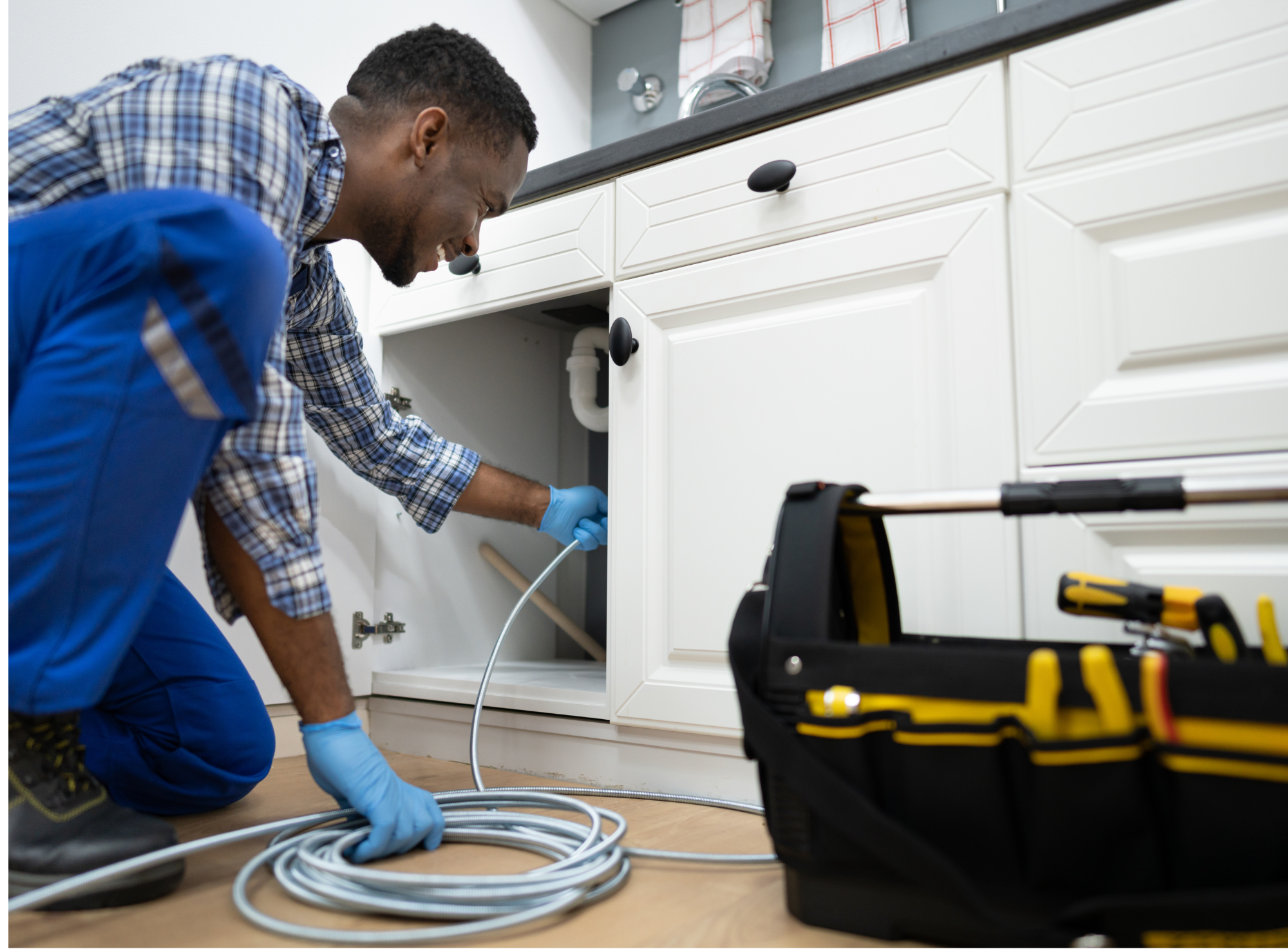
2. Use a plumbing snake or a drain brush to remove any hair or debris that may have accumulated inside the trap.
3. Flush the trap with hot water to remove any remaining residue or bacteria.
Using Natural Remedies
Natural remedies can be effective in eliminating floor trap smell without the use of harsh chemicals. Consider the following remedies:
1. Vinegar and Baking Soda Method: Mix equal parts of vinegar and baking soda and pour the mixture into the floor trap. Let it sit for a few minutes before flushing it out with hot water. This combination can help break down organic matter and eliminate odors.
2. Lemon Juice and Hot Water Solution: Squeeze fresh lemon juice into a bucket of hot water and pour it into the floor trap. Allow it to sit for some time before rinsing it with hot water. Lemon juice acts as a natural deodorizer and can help eliminate unpleasant smells.
3. Bleach and Water Mixture: Dilute bleach with water and pour it into the floor trap. Give it some time to settle, then utilize water to wash it away completely. Bleach can kill bacteria and eliminate foul odors.
Professional Services for Odor Removal
If the floor trap smell persists despite your efforts, it may be necessary to seek professional help. A plumbing professional can conduct a thorough inspection, identify the root cause of the odor, and provide appropriate solutions. They may use specialized equipment and techniques to eliminate the smell and ensure long-term prevention.
Frequently Asked Questions
How does a floor trap work?
A floor trap is designed to prevent foul odors and harmful gases from entering your living space. It consists of a U-shaped bend that holds water, creating a barrier between the sewer system and your home. When water flows down the drain, it fills the trap and prevents gases from escaping into your
home.
Are there any long-term solutions for floor trap odor?
Yes, several long-term solutions can help prevent floor trap odor:
- Regularly cleaning and maintaining floor traps to prevent odor buildup.
- Ensuring proper ventilation to maintain airflow and prevent stagnant air.
- Hiring professionals for periodic inspections and maintenance of the plumbing system.
While floor trap smell itself may not be directly harmful to health, it can indicate underlying issues with your plumbing system. Sewer gases can contain toxic substances such as methane and hydrogen sulfide, which can pose health risks if inhaled in high concentrations. It is important to address floor trap smell promptly to avoid potential health hazards.
Is floor trap smell common in all households?
Floor trap smell can occur in any household, but its frequency and intensity may vary. Factors such as plumbing system condition, usage patterns, and cleanliness can influence the occurrence of floor trap smell. Proper maintenance and preventive measures can help minimize its occurrence.
Are there any long-term solutions for floor trap odor?
Yes, several long-term solutions can help prevent floor trap odor:
- Regularly cleaning and maintaining floor traps to prevent odor buildup.
- Ensuring proper ventilation to maintain airflow and prevent stagnant air.
- Hiring professionals for periodic inspections and maintenance of the plumbing system.
Can floor trap smell attract pests?
Floor trap smell can attract pests such as cockroaches and flies. The presence of organic matter and stagnant water in floor drains can provide a food source and breeding ground for these pests. Eliminating floor trap odor is crucial to prevent pest infestations in your home.
Can floor trap smell indicate a plumbing issue?
Yes, persistent floor trap smell can indicate underlying plumbing issues such as cracked pipes, damaged seals, or clogs in the sewer system. It is advisable to seek professional assistance to identify and resolve these plumbing issues to eliminate the odor.
Are there any preventive measures to avoid floor trap smell?
To prevent floor trap smell, consider the following preventive measures:
- Regularly clean and maintain floor traps to prevent odor buildup.
- Avoid disposing of excessive food waste, grease, or oil down the drain.
- Use drain strainers to catch hair and debris before they enter the floor trap.
- Ensure proper ventilation to maintain airflow and prevent stagnant air.
How often should floor traps be cleaned?
Floor traps should be cleaned regularly to prevent odor buildup. Depending on usage and the presence of debris, it is recommended to clean floor traps at least once every few months. However, if you notice persistent odor or plumbing issues, it is advisable to seek professional help.
Is it necessary to hire professionals for floor trap maintenance?
While DIY solutions can be effective, hiring professionals for floor trap maintenance is recommended. Plumbing professionals have the expertise to conduct thorough inspections, identify underlying issues, and provide appropriate solutions. Regular maintenance can help prevent floor trap smell and ensure the proper functioning of your plumbing system.