

Problem of Concealed Pipe Leakage: Unraveling the Mystery
Water, the essence of life, can also be a silent troublemaker when it comes to concealed pipe leakage. In this article, we delve into the perplexing world of hidden pipe leaks, exploring the signs, causes, and the burstiness factor that accompanies sudden pipe bursts. Join us as we navigate through the intricacies of identifying and repairing concealed pipe leaks while emphasizing the importance of preventive measures.
Introduction
Concealed pipe leakage refers to the subtle yet destructive seepage of water within the walls or floors of a structure. Often unnoticed until significant damage occurs, these leaks pose a threat to both property and budget.
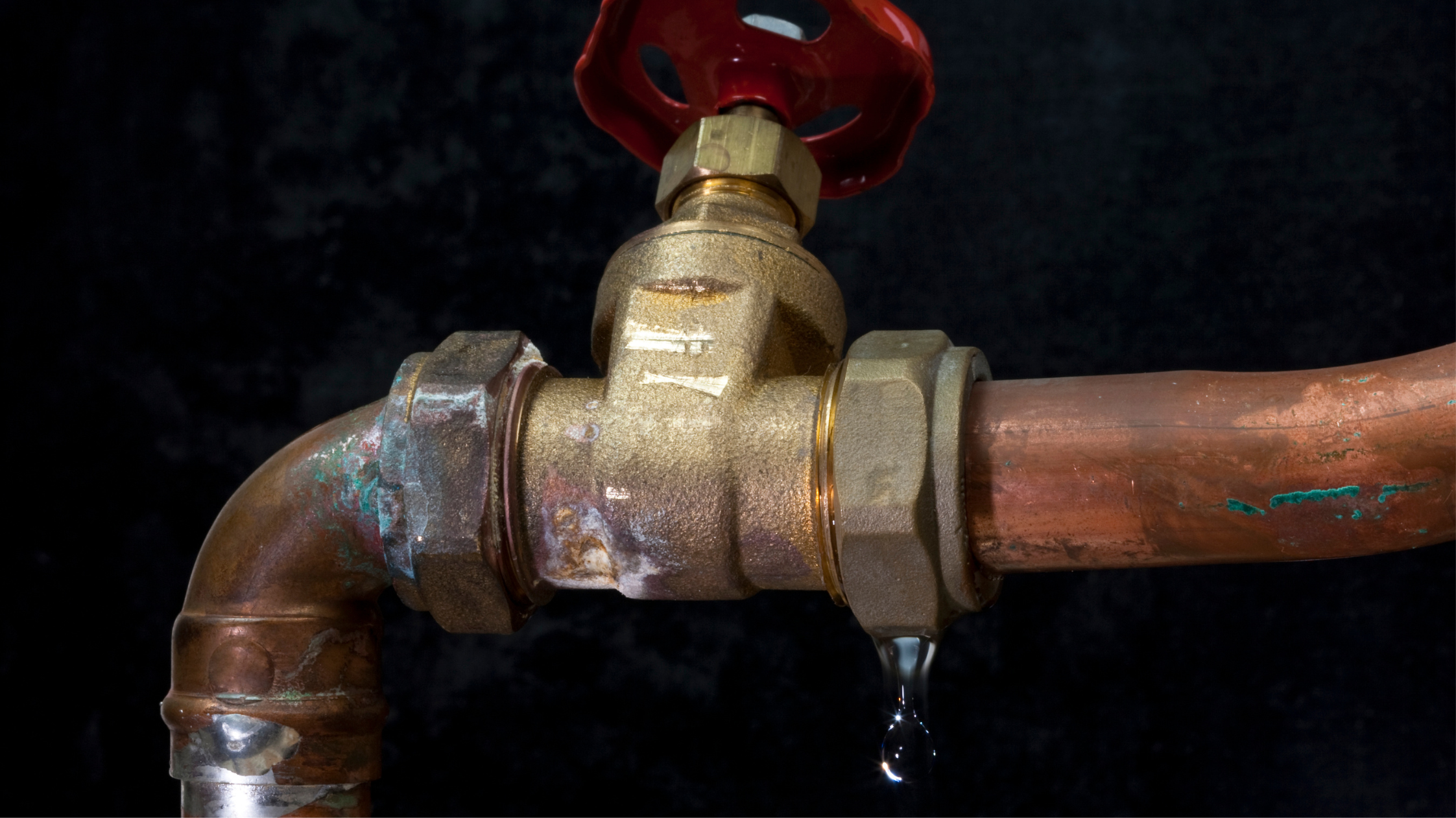
Definition of Concealed Pipe Leakage
Concealed pipe leakage involves water escaping from pipes hidden behind walls, ceilings, or floors, making it challenging to detect without advanced technologies.
Importance of Addressing Concealed Pipe Leaks
The repercussions of neglecting concealed pipe leaks can range from skyrocketing water bills to extensive structural damage. It's crucial to address these issues promptly to mitigate potential risks.
Signs of Concealed Pipe Leakage
Identifying concealed pipe leaks early is paramount to preventing severe damage. Look out for these signs that may indicate a hidden leak.

Unexplained Increase in Water Bills
One of the initial indicators of concealed pipe leaks is an unexpected surge in water bills. If your water consumption patterns haven't changed, yet the bills keep rising, it's time to investigate.
Water Stains on Walls or Ceilings
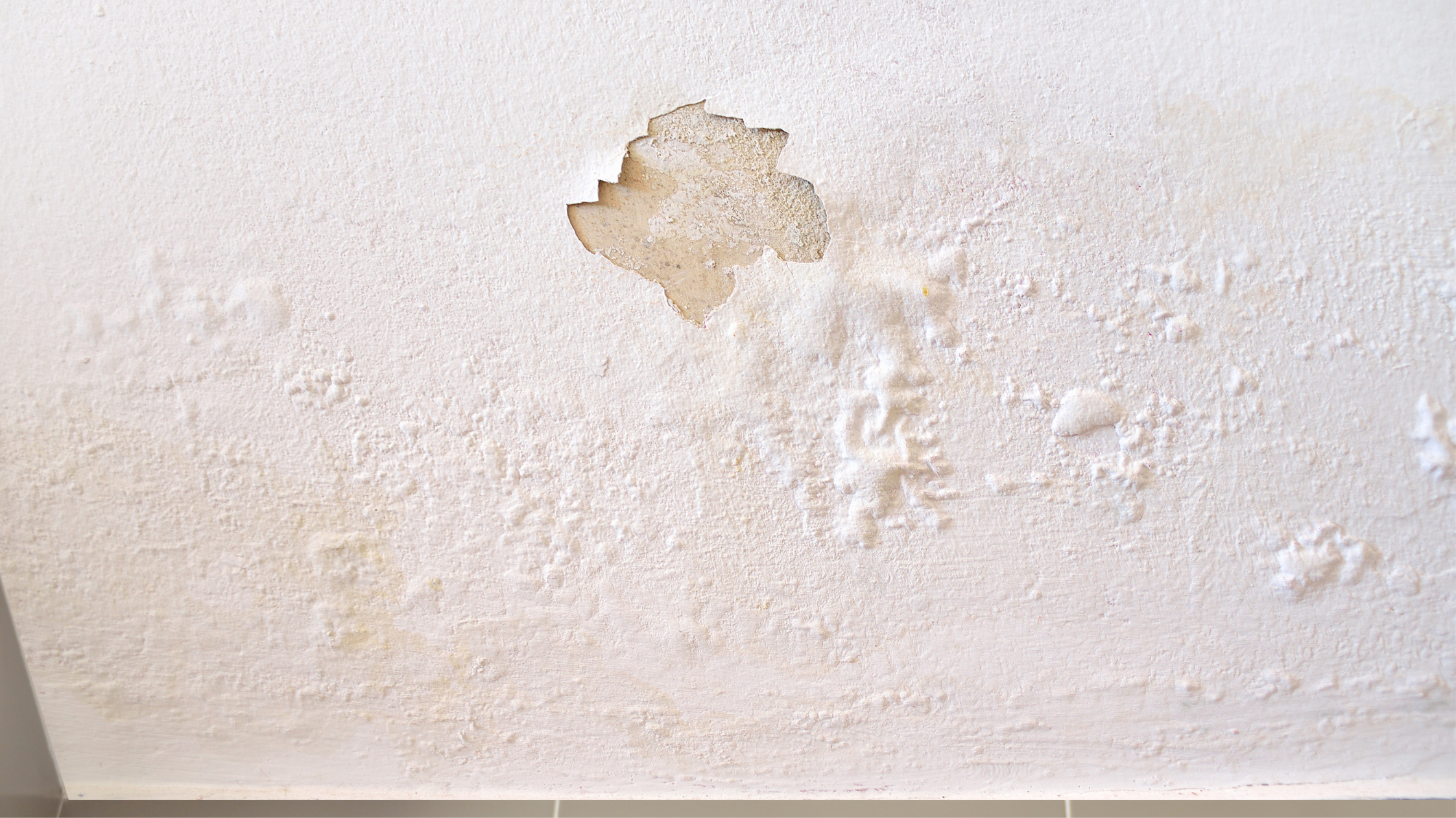
Visible water stains on walls or ceilings are telltale signs of water seepage. These stains often indicate a concealed leak within the structure.
Mold and Mildew Growth
The presence of mold or mildew in unexpected areas, such as dry walls or carpets, suggests excess moisture – a potential result of concealed pipe leaks.
Musty Odors
A persistent musty smell, especially in confined spaces, may indicate hidden water damage. Investigate the source promptly to prevent further issues.
Causes of Concealed Pipe Leakage
Understanding the root causes of concealed pipe leakage is crucial for effective prevention and repair strategies.
Corrosion
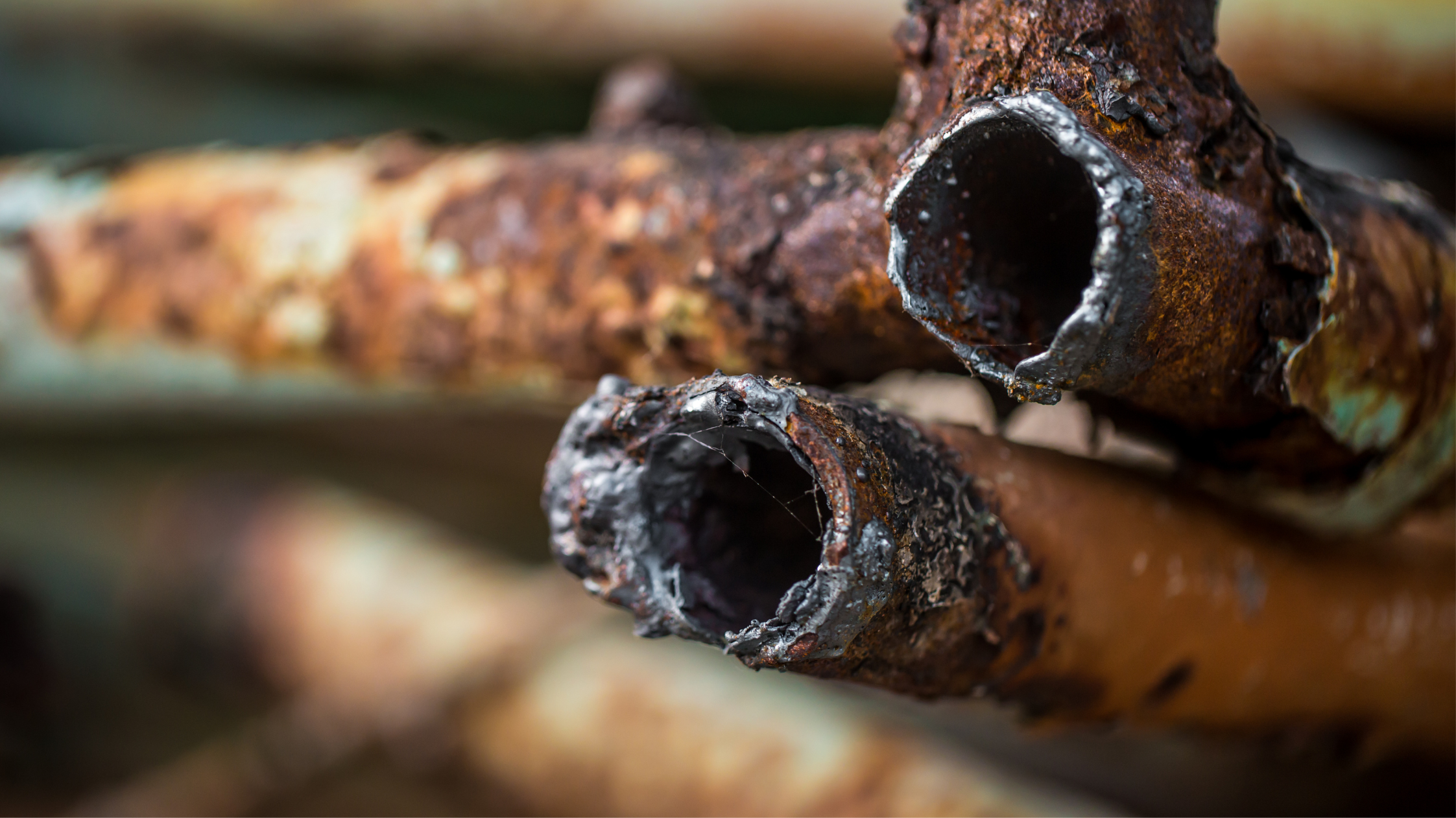
Over time, pipes may corrode, leading to small leaks. Corrosion is a common issue, especially in older plumbing systems.
Poor Installation
Inadequate installation practices can result in weak points in the plumbing system, making it susceptible to leaks.
High Water Pressure
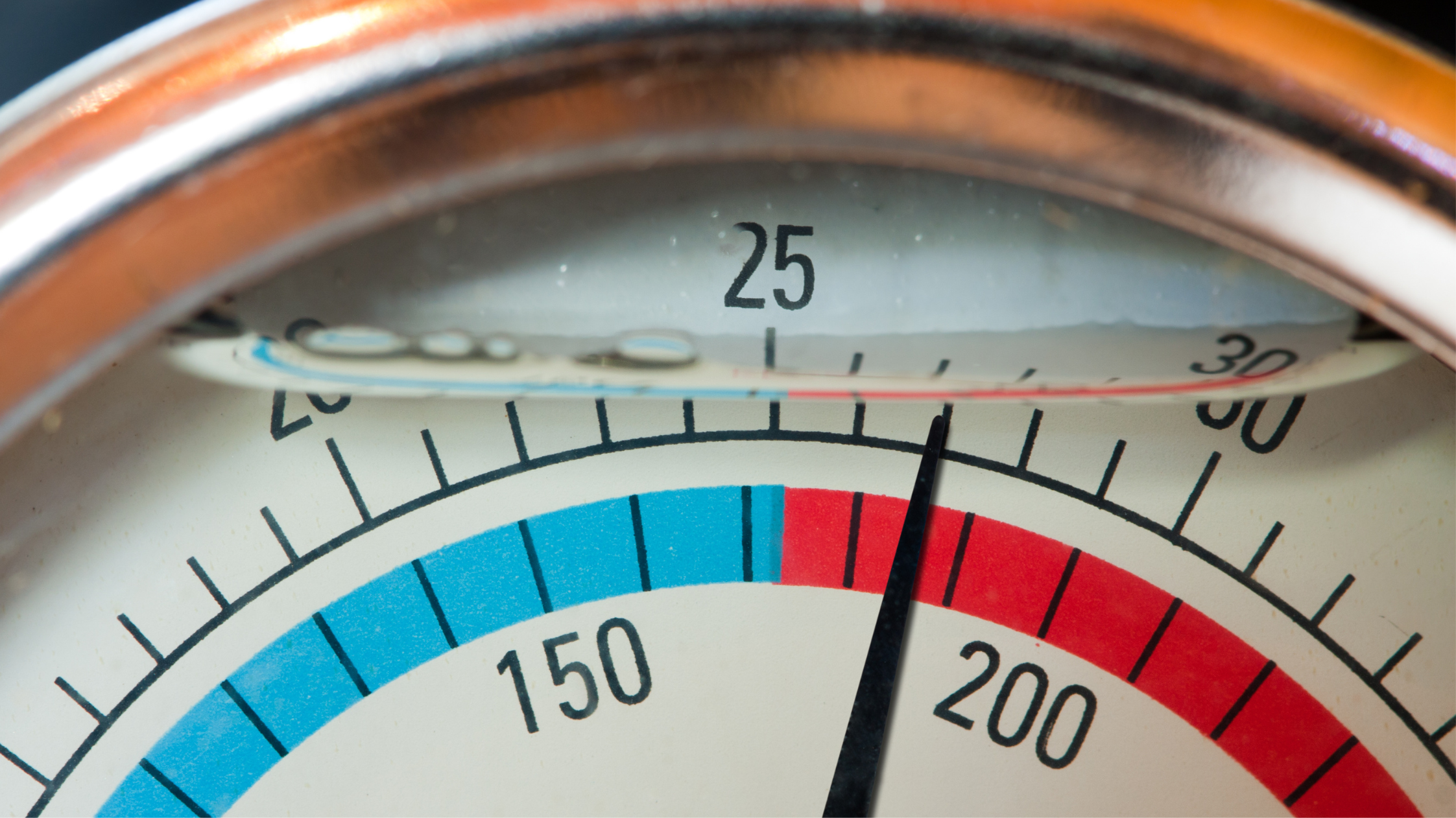
Excessively high water pressure can strain pipes, causing them to weaken and eventually leak.
Aging Pipes
As pipes age, they become more prone to deterioration, increasing the likelihood of concealed leaks.
The Perplexity of Identifying the Location
Detecting concealed pipe leaks can be challenging due to the hidden nature of the problem. Advanced technologies have emerged to address this perplexing issue.
Challenges in Detecting Concealed Leaks
The concealed nature of these leaks poses challenges in pinpointing their exact location. Traditional methods may not suffice in identifying hidden water seepage.
Advanced Technologies for Leak Detection
Modern technologies, such as infrared cameras and acoustic sensors, provide efficient means of detecting concealed pipe leaks without invasive measures.
Burstiness: Dealing with Sudden Pipe Bursts
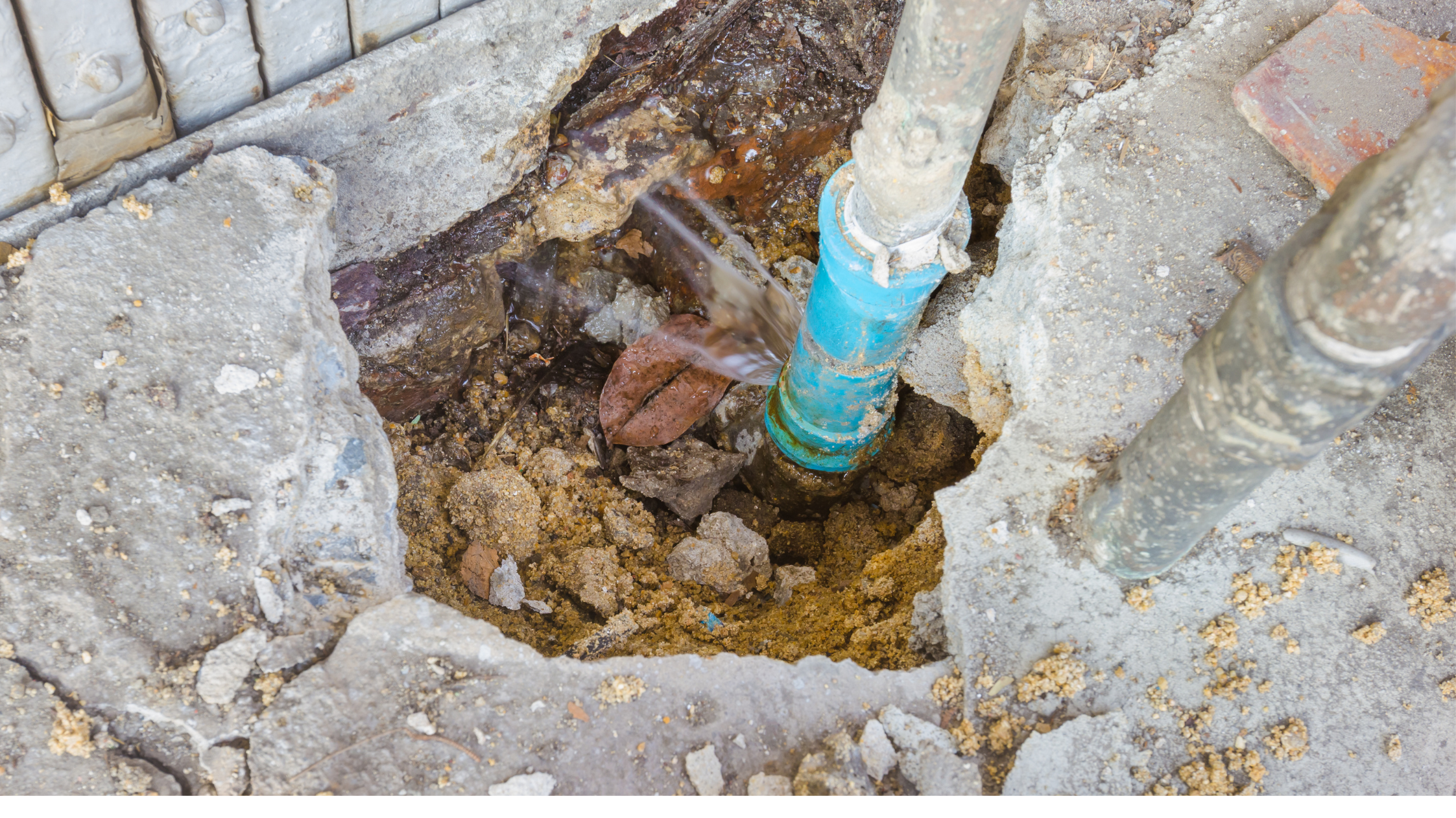
While concealed pipe leaks are subtle, the burstiness factor can lead to sudden and severe pipe bursts, necessitating immediate action.
Risks Associated with Burst Pipes
Sudden pipe bursts can cause extensive damage to property, leading to costly repairs and potential health hazards.
Immediate Actions to Take When a Burst Occurs
In the event of a burst pipe, it's crucial to turn off the main water supply, evacuate the affected area, and seek professional assistance promptly.
Importance of Timely Detection and Repair
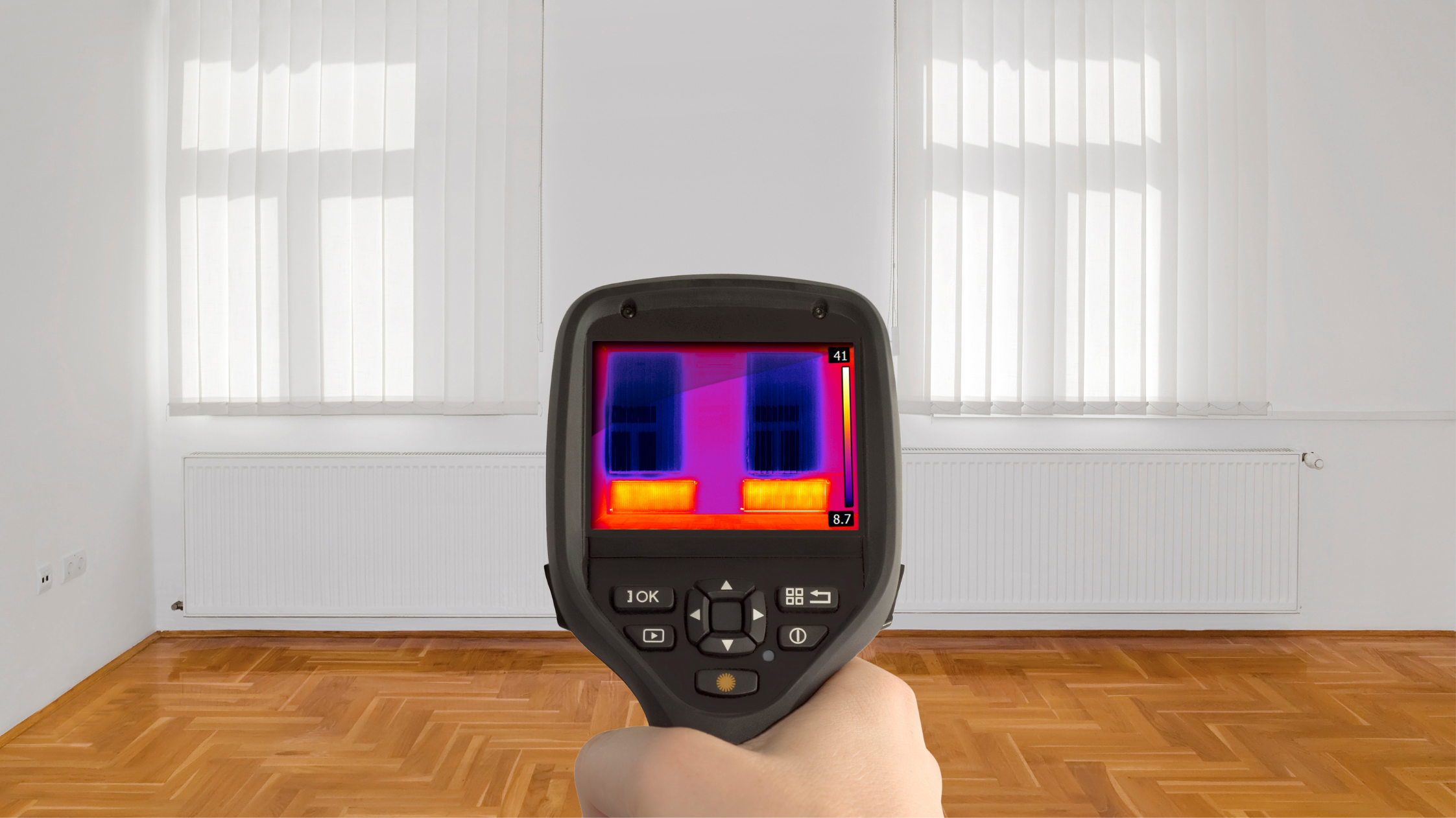
The timely identification and repair of concealed pipe leaks are vital for preventing further damage and minimizing associated costs.
Preventing Property Damage
Prompt detection and repair mitigate the risk of structural damage to the property, preserving its integrity.
Avoiding High Water Bills
Addressing concealed pipe leaks promptly prevents unnecessary water wastage and helps maintain reasonable water bills.
Environmental Impact
Proactive leak detection and repair contribute to water conservation, reducing the environmental impact of concealed pipe leaks.
DIY Leak Detection Methods

While professional assistance is often necessary, homeowners can employ certain do-it-yourself methods for detecting concealed pipe leaks.
Monitoring Water Meter Readings
Regularly monitoring water meter readings can reveal unusual patterns, indicating potential leaks.
Conducting a Visual Inspection
Visually inspecting areas prone to concealed leaks, such as crawl spaces and basements, can help identify early signs of water damage.
Using a Water Leak Detection Kit
Water leak detection kits are readily available and can be used by homeowners to identify concealed leaks before they escalate.
Professional Leak Detection Services

In many cases, professional leak detection services are essential for accurate and non-invasive identification of concealed pipe leaks.
Utilizing Advanced Equipment
Professionals use advanced tools and technologies, such as electronic leak detection devices, to pinpoint the exact location of concealed leaks.
Benefits of Hiring Professionals
Expertise, efficiency, and the ability to address hidden leaks without causing unnecessary damage are key advantages of hiring professional leak detection services.
Repairing Concealed Pipe Leaks
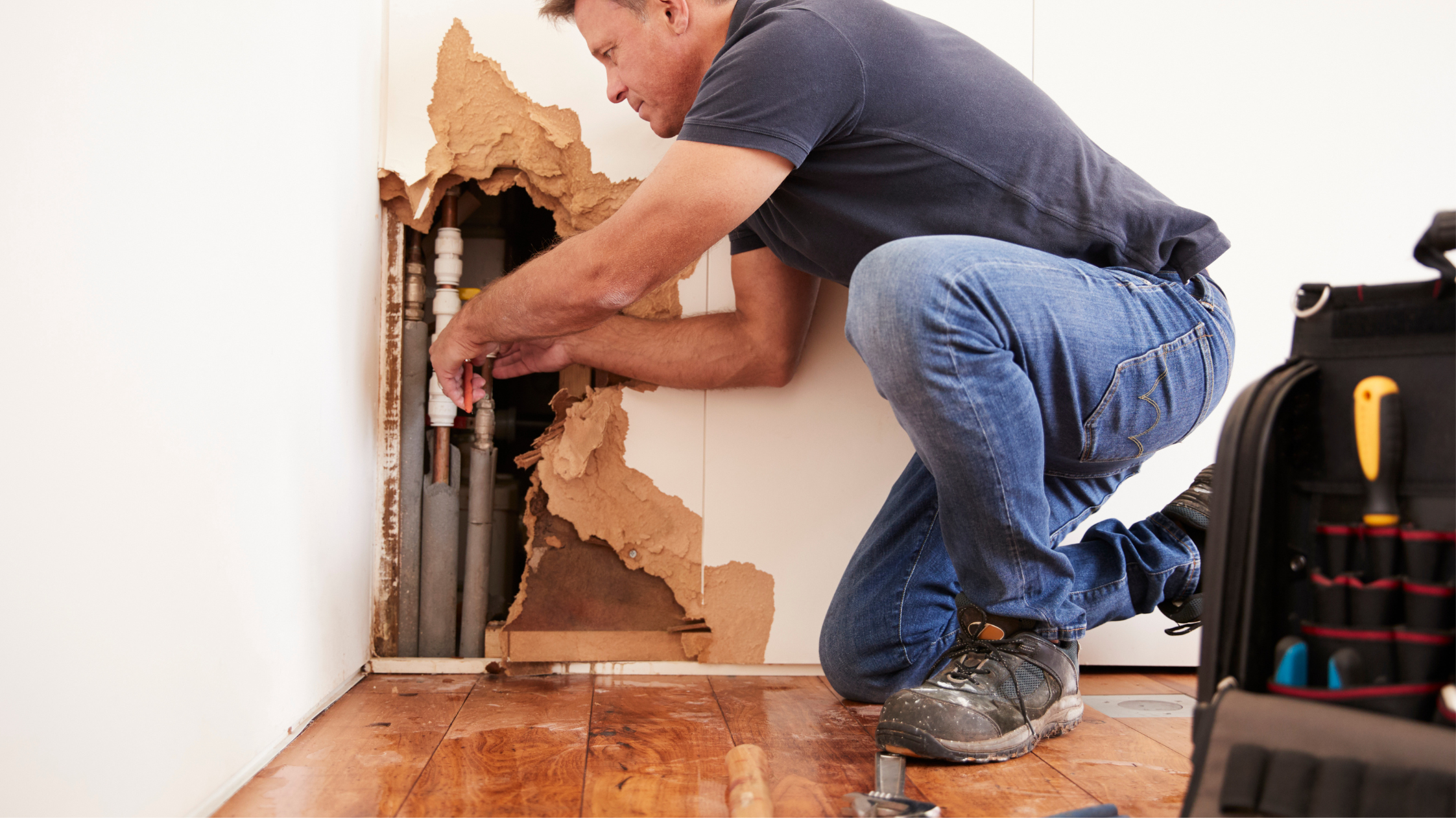
Once identified, concealed pipe leaks must be promptly repaired to prevent further damage and additional costs.
Patching Leaks
Minor leaks can often be patched using sealants or specialized tape, providing a temporary solution until more extensive repairs can be undertaken.
Pipe Replacement Options
For more severe cases, partial or complete pipe replacement may be necessary, ensuring a long-term solution to the concealed pipe leakage issue.
Costs Associated with Repairs
The costs of repairing concealed pipe leaks vary depending on the extent of the damage and the chosen repair method. However, the investment is crucial for maintaining the structural integrity of the property.
Preventive Measures
Taking proactive measures to prevent concealed pipe leaks is essential for the long-term health of the plumbing system.
Regular Pipe Inspections
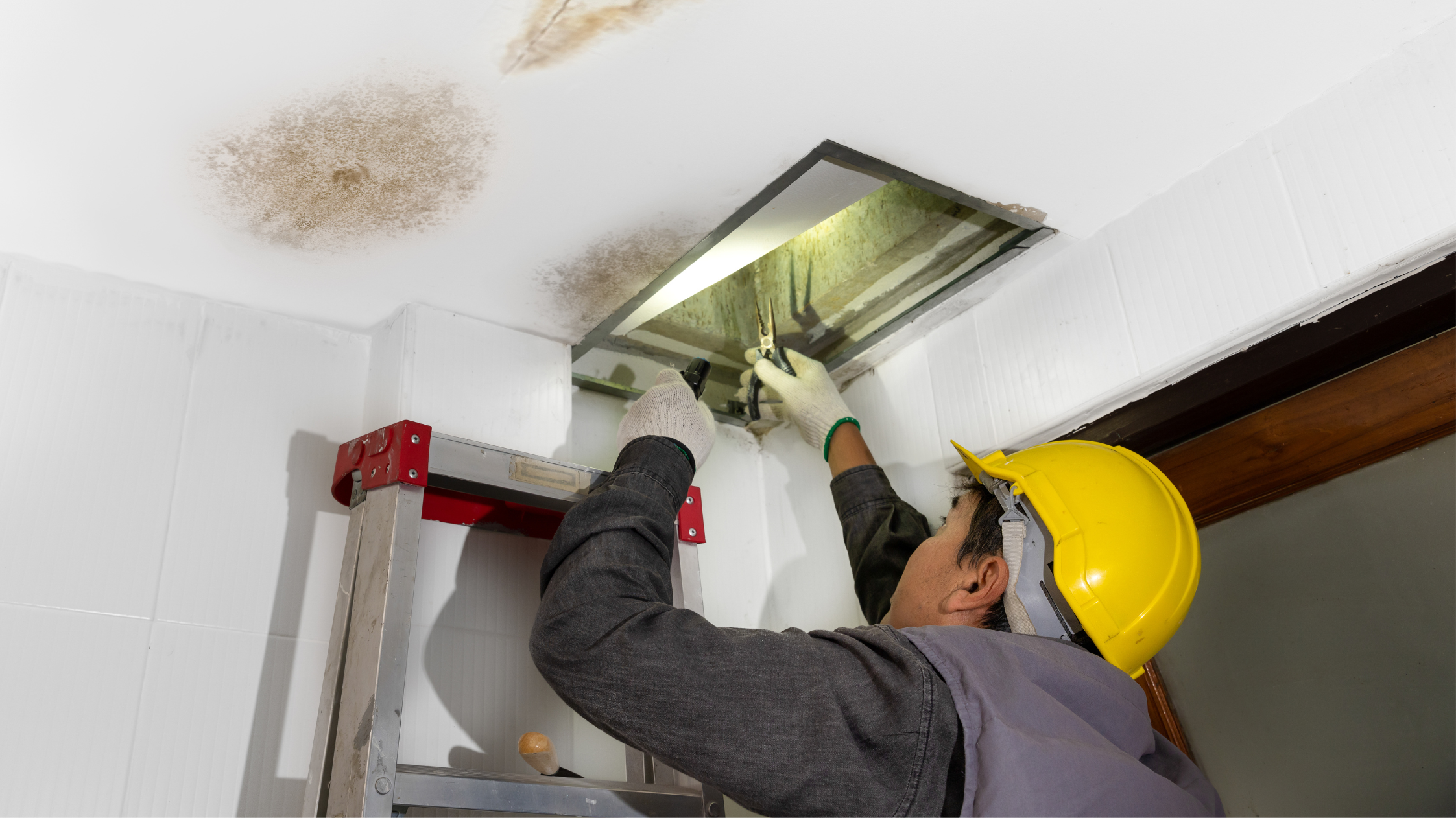
Scheduled inspections by licensed plumbers can identify potential issues before they escalate, preventing concealed leaks.
Proper Installation Practices
Ensuring proper installation of plumbing systems from the outset reduces the likelihood of concealed leaks due to weak points.
Maintaining Optimal Water Pressure
Monitoring and maintaining optimal water pressure prevents strain on pipes, reducing the risk of leaks.
Importance of Hiring Licensed Plumbers
When dealing with concealed pipe leaks, the expertise of licensed plumbers is invaluable.
Ensuring Quality Repairs
Licensed plumbers adhere to industry standards, ensuring that repairs are of the highest quality, providing long-lasting solutions.
Compliance with Local Regulations
Licensed plumbers are well-versed in local building codes and regulations, ensuring that repairs comply with legal requirements.
Real-Life Examples
Examining real-life examples of concealed pipe leaks highlights the importance of timely detection and repair.
Case Studies of Concealed Pipe Leaks
Comparing outcomes of concealed leaks with timely versus delayed repairs underscores the significance of proactive measures.
Outcomes of Timely versus Delayed Repairs
Timely repairs result in minimal damage and costs, whereas delayed repairs may lead to extensive damage, affecting both property and finances.
Raising Awareness
Educating homeowners about the risks and signs of concealed pipe leaks is crucial for fostering a proactive approach.

Educating Homeowners About Concealed Leaks
Informative campaigns and resources can empower homeowners to take preventive measures and address concealed leaks promptly.
Encouraging Proactive Measures
By raising awareness, homeowners are more likely to invest in regular inspections and adopt habits that minimize the risk of concealed pipe leaks.
Conclusion
In conclusion, understanding and addressing the problem of concealed pipe leakage is vital for maintaining the integrity of your property and avoiding unnecessary expenses. By being vigilant to signs, embracing preventive measures, and seeking professional assistance when needed, homeowners can safeguard their homes from the detrimental effects of hidden water damage.

Frequently Asked Questions (FAQs)
Regularly monitor water bills, inspect for water stains, and use DIY leak detection methods.
Coverage varies, but prompt detection and repairs can positively impact insurance claims.
Unexplained increase in water bills, water stains, mold growth, and musty odors are common indicators.
Yes, if left unaddressed, concealed pipe leaks can result in significant structural damage.
Annual professional inspections are recommended to detect and address potential issues promptly.