

Introduction
- Briefly explain the common issue of a leaking washing machine pipe/hose.
- Highlight the importance of addressing the problem promptly.
Signs of a Leaking Washing Machine Pipe
- Discuss visible signs such as water pooling or dampness around the machine.
- Mention potential water damage or mold growth as consequences.
Reasons for a Leaking Washing Machine Pipe
- Examine potential causes like loose connections or worn-out hoses.
- Discuss improper installation or high water pressure as contributing factors.
Steps to Diagnose the Issue
- Provide a step-by-step guide to checking for leaks in the washing machine pipe/hose.
- Include instructions on inspecting connections and hoses for damage or cracks.
Repairing a Leaking Washing Machine Pipe
- Explain how to fix minor issues, such as tightening loose connections.
- Recommend consulting a professional for complex repairs or hose replacements.
Preventing Washing Machine Pipe Leaks
- Offer preventive measures like regular maintenance and inspections.
- Mention the importance of using good quality hoses and proper installation.
When to Seek Professional Help
- Describe situations where it's necessary to contact a professional plumber.
- Highlight scenarios like severe leaks, significant water damage, or unfamiliar repairs.
Maintaining a Healthy Washing Machine
- Provide general maintenance tips to keep the washing machine in good condition.
- Mention practices like using proper detergent and cleaning the machine regularly.
Tips for Dealing with Water Damage
- Advise on immediate actions to mitigate damage if a leak occurs.
- Suggest contacting a water damage restoration service if needed.
Conclusion
- Recap the importance of addressing a leaking washing machine pipe/hose.
- Emphasize the benefits of taking proactive measures to prevent leaks.
I Suspect My Washing Machine Pipe/Hose Is Leaking
Leaning against the kitchen counter, eyes focused on the spinning washing machine in the corner, you can't help but notice a small puddle of water slowly expanding near its base. A sense of dismay settles in as you suspect that the washing machine pipe/hose is leaking. Don't worry. In this guide, we'll explore the signs, causes, and steps to address this issue. So, let's roll up our sleeves and tackle
the challenge head-on!
Signs of a Leaking Washing Machine Pipe
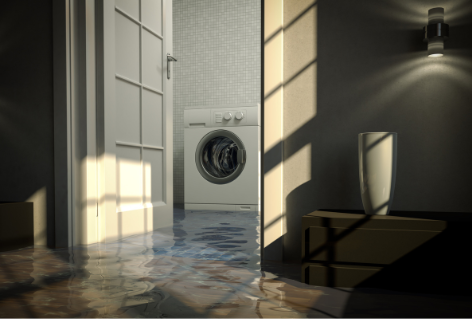
A leaking washing machine pipe can manifest in various ways, leaving visible clues for the keen observer. If you notice water pooling around the washing machine or dampness on the walls or floor adjacent to it, these are strong signs of a leakage. Ignoring these signs could lead to more severe consequences, such as water damage to your property or even mold growth, posing a potential health hazard.
Reasons for a Leaking Washing Machine Pipe
Understanding the underlying causes of a leaking washing machine pipe or hose is crucial in finding a solution. One common reason is loose connections. Over time, vibrations from the machine's operation or improper installation can cause fittings to become loose, leading to leaks. Additionally, worn-out or damaged hoses can develop cracks or holes, resulting in water seepage. Moreover, if you live in an area with high water pressure, it can put excess strain on your pipes, increasing the
likelihood of leaks.
Steps to Diagnose the Issue
Before diving into fixing the problem, it's important to diagnose the source of the leak. Follow these simple steps to identify the cause and assess the extent of the issue. First, check the connections between the washing machine and the water supply. Ensure they are tight and secure. Next, examine the hose for any visible damage or cracks. Pay close attention to the bends and connections. Finally, run the washing machine while observing carefully for any water leakage during its various cycles.
Repairing a Leaking Washing Machine Pipe
If the leak appears minor and you feel confident in handling simple repairs, you can attempt to fix the issue yourself. Begin by tightening loose connections using an adjustable wrench, making sure not to overtighten. Consider using thread seal tape on the fittings to provide additional security against leaks. However, it's essential to exercise caution when dealing with more complex repairs or hose replacements. If you are uncertain or uncomfortable with the task, it's advisable to seek professional help to prevent exacerbating the issue.

Preventing Washing Machine Pipe Leaks
Prevention is always better than dealing with the aftermath of leaks. Protect your washing machine from potential pipe or hose leaks by implementing preventive measures. Regular maintenance and inspections play a pivotal role in this endeavor. Periodically check the connections, looking for signs of corrosion or looseness. Swap out worn-out hoses with quality ones designed for washing
machines. During installation, follow the manufacturer's guidelines, ensuring secure fittings and maintaining appropriate water pressure.
When to Seek Professional Help
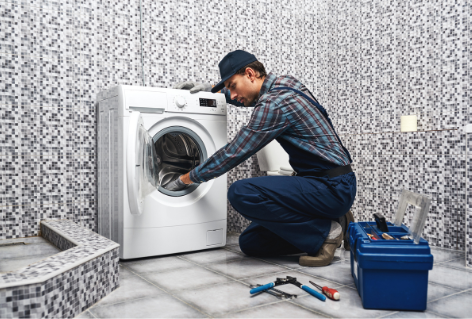
While many washing machine pipe leaks can be resolved through DIY efforts, certain situations demand the expertise of a professional plumber. If you encounter severe leaks that cannot be contained or significant water damage in your home, it's time to call in the experts. Similarly, if the repairs seem unfamiliar or involve complex tasks like replacing the hose, a professional can provide the necessary skills and knowledge to rectify the issue effectively.
Maintaining a Healthy Washing Machine
To extend the lifespan of your washing machine and reduce the risk of leaks, it's essential to establish a proper maintenance routine. First, use detergent specifically formulated for washing machines to prevent excessive suds or residue build-up. Clean the machine regularly, including the detergent dispenser and rubber seal, to prevent mold growth. Finally, avoid overloading the machine, as it can strain the pipes and increase the likelihood of leaks.
Tips for Dealing with Water Damage
Even with precautions, leaks can occur, leading to potential water damage. In such situations, taking immediate action can help mitigate the impact. Start by turning off the water supply to the washing machine and unplugging it from the power source. If the leak is significant, use towels or buckets to collect the water and prevent further spreading. It's crucial to remove any standing water promptly
to mitigate damage. Consider contacting a professional water damage restoration service for assessment and remediation if necessary.
Conclusion
Discovering a leaking washing machine pipe can often leave us feeling a tad overwhelmed. However, armed with the knowledge of the signs, causes, and appropriate repair steps, you can confidently address the issue. Remember to prioritize regular maintenance, implement preventive measures, and keep a vigilant eye out for any signs of leaks. By doing so, you'll not only extend the life of your washing machine but also safeguard your home from water damage and other associated woes.
FAQs (Frequently Asked Questions)
While it's possible to use any hose, it's recommended to use hoses specifically designed for washing machines. These hoses are typically reinforced and better suited to withstand the high water pressure and constant use.
Perform a visual inspection of the connections at least once every six months. Additionally, keep an eye out for any signs of leaks or dampness around the machine during regular usage.
If your washing machine is under warranty, it's advisable to contact the manufacturer or authorized service center and inquire about the warranty coverage for repairs. If you try to fix the issue yourself, it could cancel the warranty.
Yes, avoid using regular dish soap or hand soap in your washing machine, as they can create excessive suds and potentially cause damage. Instead, opt for detergents specifically designed for use in washing machines.
A water leak detection system can provide an added layer of protection for your home, alerting you to leaks and minimizing potential damage. If you live in an area prone to water-related issues or want extra peace of mind, it's worth considering.
The Importance of Regular Inspections and Maintenance
Regular inspections and maintenance of your washing machine can significantly contribute to preventing leaks and ensuring its optimal performance. By incorporating these habits into your routine, you can proactively address any underlying issues and increase the longevity of your appliance.
Check the Connections
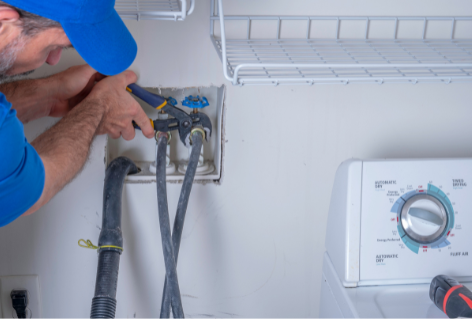
Periodically checking the connections of your washing machine is a crucial step in preventing leaks. Over time, vibrations and movements during the washing cycles can cause the fittings to loosen. With a simple visual inspection, ensure that all connections between the machine and the water supply are tightly secured.
If you detect any signs of looseness, use an adjustable wrench to gently tighten them. Take care not to overtighten, as it may damage the fittings. Applying a layer of thread seal tape on the threads before reassembling the connections can provide added security against leaks.

Examine the Hoses
The hoses of your washing machine play a vital role in transporting water to and from the appliance. Regularly inspect the hoses for any visible signs of damage, such as cracks, bulges, or wear and tear. Pay close attention to the bends and connections, as these areas are prone to developing leaks.
If you notice any issues with the hoses, it's advisable to replace them promptly. Look for washing machine-specific hoses that are reinforced and designed to withstand the high water pressure and constant use. Remember to follow the manufacturer's recommendations regarding hose replacements.
Keeping an Eye on Water Pressure
Water pressure can significantly impact the health of your washing machine's pipes and hoses. Excessively high water pressure can strain and weaken the connections, increasing the risk of leaks. To ensure a healthy water pressure level, consider installing a pressure regulator or consult a plumber to assess and adjust the pressure accordingly.
Avoiding Overloading: A Gentle Touch
It's tempting to maximize the capacity of your washing machine to save time and effort. However, overloading the machine can lead to unnecessary stress on its components, including the pipes and hoses. This stress can weaken the connections and increase the likelihood of leaks.
Instead, follow the manufacturer's guidelines regarding load capacity. Distribute the clothes evenly in the drum, allowing them sufficient room to move freely. This gentler approach prolongs the life of your washing machine and reduces the risk of leaks.
The Humble Detergent's Role
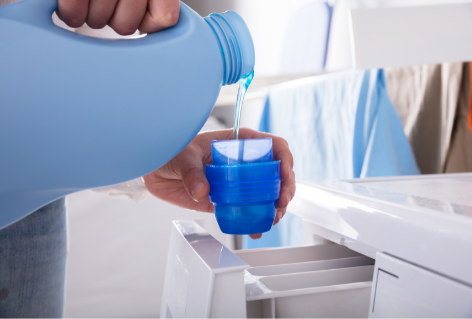
Believe it or not, the choice of detergent can impact the health of your washing machine's pipes and hoses. Regular dish soap or hand soap may produce excessive suds, which can cause overflow and potentially damage your machine. Instead, opt for detergents specifically formulated for use in washing machines.
These specialized detergents are designed to provide effective cleaning without causing excessive suds. Using the right detergent minimizes the strain on your machine and helps maintain the integrity of the pipes and hoses.
Tips for Dealing with Water Damage
If, despite your best efforts, you experience a leaking washing machine pipe that leads to water damage, it's crucial to act promptly. Water damage can have significant implications for your home and personal property. Follow these tips to minimize the impact and initiate effective damage control measures.
Turn off the Water Supply
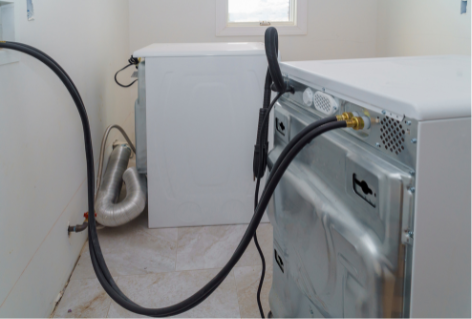
When you discover a leak in your washing machine pipe, the first step is to turn off the water supply to prevent further damage. Locate the shut-off valve connected to the washing machine and close it firmly. This will cut off the water flow and reduce the amount of water entering your home.
Unplug the Washing Machine
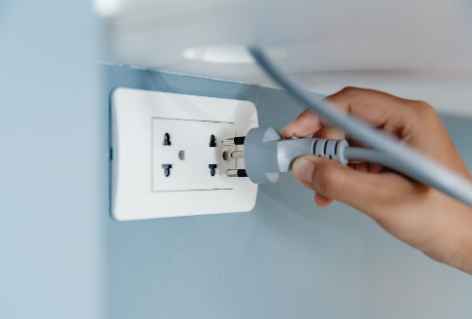
After shutting off the water supply, unplug the washing machine from the power source. This ensures your safety and prevents any electrical complications while dealing with the water damage.
Collect the Water
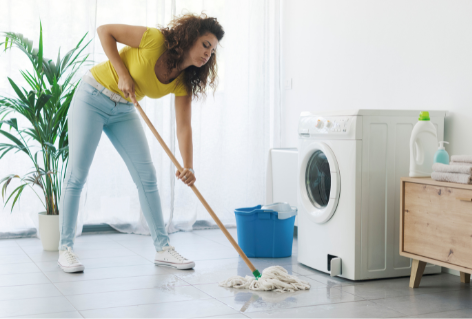
If the leak is significant and water is pooling around the machine, it's important to collect and contain the water as quickly as possible. Grab towels, buckets, or a wet vacuum to absorb and remove the standing water. By doing so, you'll prevent further spreading and minimize potential damage to nearby areas.
Dry and Ventilate the Affected Area
Once you've dealt with the immediate water, it's essential to dry and ventilate the affected area as soon as possible. Open windows and doors to increase air flow. Use fans or dehumidifiers to facilitate drying. Mold can start growing within 24 to 48 hours of water exposure, so swift action is necessary.
Contact a Water Damage Restoration Service
If the water damage is extensive, or you're unsure about the extent of the damage, it's advisable to contact a professional water damage restoration service. These experts have the knowledge, experience, and specialized equipment to assess the damage accurately and implement appropriate restoration techniques.
Don't hesitate to reach out to a professional if you require assistance. They will help you navigate the complexities of water damage restoration, ensuring your home returns to a safe and habitable condition.
Conclusion
Dealing with a leaking washing machine pipe or hose may seem daunting, but with the right knowledge and proactive approach, you can effectively address the issue. Regular inspections, proper maintenance, and cautious use can prevent leaks and extend the life of your washing machine.
Remember to check the connections periodically and tighten them if necessary. Inspect the hoses for any signs of damage, replacing them promptly when needed. Keep an eye on water pressure, avoid overloading the machine, and use detergent specifically formulated for washing machines.
In case of water damage, swiftly turn off the water supply, unplug the machine, and collect the water to prevent further damage. Dry and ventilate the affected area and consider seeking professional assistance for thorough restoration if needed.
By staying attentive and taking proactive measures, you can ensure your washing machine operates smoothly, providing you with clean clothes while safeguarding your home from potential leaks.