

Introduction
A malfunctioning toilet flush can be an inconvenience, causing frustration and disrupting daily routines. Fortunately, many common toilet flush issues can be resolved with some troubleshooting and basic repairs. In this comprehensive guide, we will explore various problems that can lead to a malfunctioning toilet flush and provide step-by-step solutions to rectify them. From weak flushes to
clogs and running toilets, we'll cover a wide range of scenarios to help you get your toilet back in working order.
Common Causes of a Malfunctioning Flush
A malfunctioning toilet flush can occur due to a variety of reasons. Understanding these common causes can help you diagnose and address the issue effectively. Some of the common causes include:
- Flapper Problems: The flapper, a rubber valve at the bottom of the tank, can deteriorate over time, leading to leaks and weak flushes.
- Handle Issues: A loose or broken flush handle can prevent proper flushing.

- Clogs: Toilet bowl chokes can lead to poor flushing or complete blockages.
- Running Toilet: A running toilet, where water continues to flow into the bowl after flushing, can waste water and increase utility bills.
- Fill Valve Malfunctions: Problems with the fill valve can result in inadequate tank refilling and weak flushes.
- Flush Mechanism Leaks: Leaks in the flush mechanism can cause water to continuously drain from the tank into the bowl.
- Mineral Buildup: Mineral deposits in the bowl or tank can affect flushing performance.
- Flushing Mechanism Technology Issues: Modern toilets with electronic flushing mechanisms can experience technical glitches.
Troubleshooting Steps for a Weak Flush
A weak flush can be frustrating, but it's often a fixable issue. Here's how to troubleshoot and address a weak flush:
1. Check Water Level: Ensure that the water level in the tank is at the recommended level. Adjust the float if needed.

2. Inspect Flapper: Examine the flapper for damage or deterioration. Replace it if necessary.
3. Clean Jets and Rim Holes: Mineral deposits can clog jets and rim holes. Clean them using a suitable cleaning solution.
4. Adjust Chain Length: If the chain connecting the flapper and flush lever is too long or too short, it can affect flushing. Adjust it accordingly.
Remember to turn off the water supply and flush the toilet before conducting any repairs.
Addressing a Clogged Toilet Bowl
Dealing with a clogged toilet is never pleasant, but you can often resolve the issue using these steps:
1. Use a Plunger: A plunger is a simple tool that can dislodge minor clogs. Ensure a tight seal and plunge vigorously.
2. Try a Toilet Auger: For stubborn clogs, a toilet auger can reach deeper into the drain to break up the obstruction.
3. Use a Drain Snake: If the clog persists, a drain snake can be effective at breaking it apart.
4. Prevent Clogs: Avoid flushing items that can easily clog the toilet, such as paper towels and hygiene products.

Fixing a Running Toilet
A running toilet is not only wasteful but also noisy. Follow these steps to fix it:
1. Check Flapper: The flapper might not be sealing properly. Adjust the chain or replace the flapper.
2. Inspect Fill Valve: Ensure the fill valve is functioning correctly. Clean or replace it as needed.
3. Adjust Float: If the float is set too high, water will continuously flow into the bowl. Adjust it to the recommended level.
Repairing a Phantom Flush
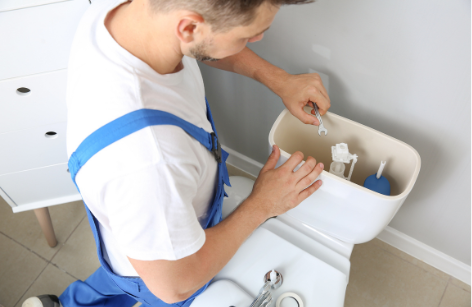
A phantom flush is when the toilet randomly refills as if someone had flushed it. Here's how to fix it:
1. Check Flapper and Chain: Ensure that the flapper isn't dropping prematurely due to a tangled chain.
2. Inspect Water Level: If the water level is too high, it might trigger an automatic flush. You can manage the amount of water in the tank by adjusting the float.
Dealing with a Double Flushing Toilet
Double flushing occurs when the toilet flushes once but then flushes again shortly afterward. Here's how to address it:
1. Check Flapper Seal: If the flapper isn't sealing properly, water can leak into the bowl, triggering a second flush. Replace the flapper if needed.
2. Inspect Water Level: Similar to a phantom flush, an incorrect water level can lead to double flushing. Adjust the float as required.

Understanding Flapper Issues
Flapper problems are a common cause of toilet malfunctions. Here's how to troubleshoot and fix them:
1. Inspect for Damage: Check the flapper for cracks, warping, or deterioration. Replace it if necessary.
2. Clean Flapper Seat: Mineral buildup around the flapper seat can prevent a proper seal. Clean the seat thoroughly.
Rectifying Flush Handle Problems
A loose or stuck flush handle can prevent proper flushing. Follow these steps to fix it:
1. Tighten Mounting Nut: The mounting nut securing the flush handle inside the tank might be loose. Tighten it to secure the handle.
2. Check Chain and Flapper Connection: Ensure the chain connecting the flush handle and flapper is properly connected and not tangled.
Repairing Refill Tube Problems
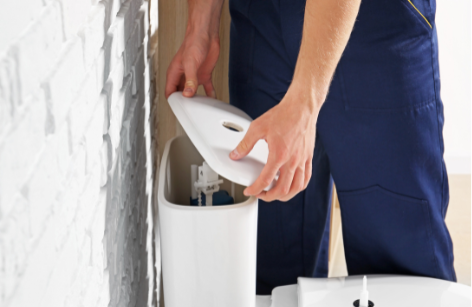
The refill tube delivers water from the fill valve to the overflow pipe. Here's how to troubleshoot issues with it:
1. Adjust Tube Position: Ensure the refill tube is positioned correctly and not inserted too far into the overflow pipe.
2. Check for Obstructions: Make sure the refill tube is free of kinks or clogs that could restrict water flow.
Fixing Ballcock Assembly Problems
The ballcock assembly controls the water level in the tank. Here's how to address problems with it:
1. Inspect for Leaks: Check for leaks around the ballcock assembly. Replace any faulty components.
2. Adjust Ballcock Height: If the water level is too high or too low, adjust the ballcock height to achieve the desired level.
Addressing Flush Valve Seal Leaks
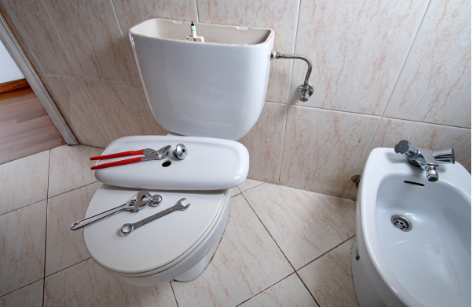
A leaky flush valve seal can waste water and lead to a malfunctioning flush. Here's how to fix it:
1. Check Valve Seal: Inspect the flush valve seal for cracks or deterioration. Replace it if necessary.
2. Clean Valve Seat: Mineral deposits on the valve seat can prevent a proper seal. Clean the seat thoroughly.
Solving Water Supply Issues
Water supply problems can affect flushing performance. Follow these steps to troubleshoot them:
1. Check Water Supply Valve: Ensure the water supply valve is fully open. If not, turn it on.
2. Inspect Water Line: Check for kinks, obstructions, or leaks in the water supply line.
Troubleshooting Noisy Flushes
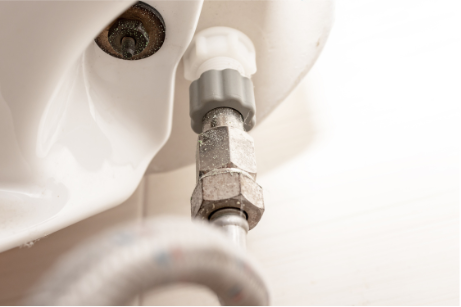
A noisy flush can be annoying. Here's how to troubleshoot and address the issue:
1. Tighten Mounting Bolts: Loose mounting bolts can cause the toilet to wobble and make noise. Tighten them as needed.
2. Replace Fill Valve: If the fill valve is causing noise, consider replacing it with a quieter model.
Dealing with Bowl Water Level Problems
Issues with the bowl water level can affect flushing performance. Here's how to address them:
1. Check Tank Water Level: If the tank water level is too low, the flush might be weak. You may raise the water level by adjusting the float.
2. Inspect Rim Holes: Clogged rim holes can prevent proper water distribution during a flush. Clean them thoroughly.
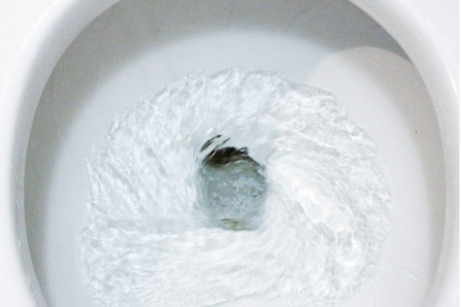
Repairing Flush Mechanism Leaks
Leaks in the flush mechanism can waste water and lead to a malfunctioning toilet. Here's how to fix them:
1. Identify the Source: Determine the source of the leak, which could be the flapper, gasket, or valve seal.
2. Replace Faulty Components: Replace the faulty components causing the leak to prevent further water waste.
Fixing Pressure-Assist Toilet Issues
Pressure-assist toilets have a unique flush mechanism. Here's how to troubleshoot and fix issues with them:
1. Check Water Pressure: Inadequate water pressure can lead to weak flushes. Ensure the water pressure is sufficient.
2. Inspect Flush Cartridge: The flush cartridge can get clogged or worn out. Replace it if needed.
Addressing Condensation on the Toilet Tank
Condensation on the toilet tank can be a concern. Here's how to prevent and address it:
1. Use Insulation Kit: Consider using a toilet tank insulation kit to reduce temperature differences and prevent condensation.
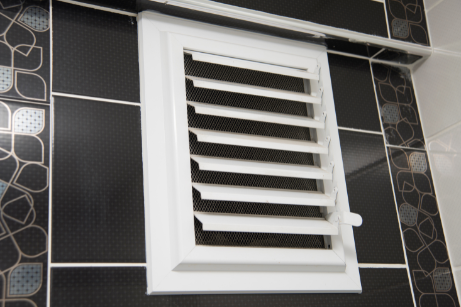
2. Ventilate the Bathroom: Proper bathroom ventilation can help reduce humidity levels and minimize condensation.
Solving Slow-Filling Toilet Tanks
A slow-filling tank can lead to weak flushes. In order to solve the problem, follow these instructions:
1. Check Water Supply Valve: Ensure the water supply valve is fully open. If it's partially closed, it can slow down tank filling.
2. Inspect Fill Valve: Clean or replace the fill valve if it's obstructed or malfunctioning.
Troubleshooting Toilet Base Leaks
Water pooling around the base of the toilet indicates a leak. Here's how to troubleshoot and fix it:
1. Inspect Wax Ring: The wax ring between the toilet and the floor might be worn out. Replace it to create a watertight seal.
2. Tighten Closet Bolts: Tighten the closet bolts securing the toilet to the floor. A loose toilet can cause leaks.
Dealing with Bowl Stains and Mineral Deposits
Stains and mineral deposits can affect the appearance of the toilet bowl and hinder flushing. Here's how to address them:
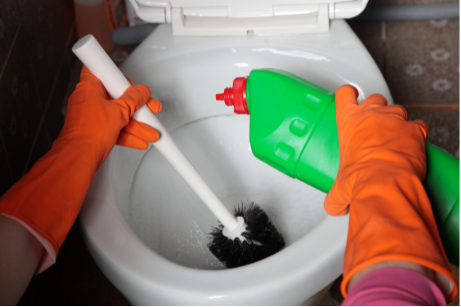
1. Use Toilet Bowl Cleaner: Regularly clean the toilet bowl with a toilet bowl cleaner to remove stains and mineral deposits.
2. Use Vinegar Solution: For tougher stains, use a solution of vinegar and water to break down mineral deposits.
Repairing Flush Button Problems
Toilets with dual-flush buttons can experience issues. Here's how to troubleshoot and fix them:
1. Check Button Mechanism: Inspect the flush buttons for any obstructions or mechanical problems. Clean or repair as needed.
2. Adjust Button Position: If the buttons are misaligned, adjust their position to ensure proper operation.
Fixing Electronic Flush Mechanism Issues
Electronic flush mechanisms can encounter technical glitches. Here's how to troubleshoot and address issues:
1. Check Power Source: Ensure the electronic flush mechanism is properly connected to a power source or has functional batteries.
2. Reset or Reboot: If the mechanism is unresponsive, try resetting it or rebooting it as per the manufacturer's instructions.
Addressing Toilet Bowl Cracks
Cracks in the toilet bowl can lead to leaks and reduced flushing efficiency. Here's how to address them:
1. Evaluate the Severity: Determine whether the crack is minor or significant. Minor cracks might be repairable with sealants, while major cracks may require a new toilet.
2. Replace the Toilet: If the crack is extensive or causing leaks, consider engaging professional toilet bowl installation services to replace and install a new unit to prevent further issues.

Troubleshooting Flushing Performance in Cold Weather
Cold weather can affect flushing performance. Here's how to address flushing issues during colder months:
1. Insulate Water Supply Lines: Insulate the water supply lines to prevent freezing and ensure consistent water flow.
2. Warm Up the Bathroom: Keep the bathroom temperature slightly higher to prevent water inside the tank from getting too cold.
Conclusion
A malfunctioning toilet flush doesn't have to be a daunting problem. By following the troubleshooting steps and repair techniques outlined in this guide, you can address a wide range of issues affecting your toilet's flushing performance. Regular maintenance and prompt repairs can keep your toilet functioning efficiently and prevent water waste.
Remember, if you encounter a more complex issue or if the problem persists, it's always a good idea to seek a licensed plumber to ensure the proper functioning of your toilet.
Frequently Asked Questions
A weak flush could be due to various reasons, such as low water level, a flapper issue, or mineral deposits. Refer to the troubleshooting steps in the guide to identify and fix the problem.
A running toilet can be fixed by checking and adjusting the flapper, inspecting the fill valve, and ensuring the float is set correctly.
For minor clogs, use a plunger. If the clog persists, try a toilet auger or drain snake. Avoid flushing items that can cause clogs.
Regularly clean the toilet bowl with a cleaner to prevent mineral deposits. Using a vinegar solution can help break down existing deposits.
A double flush can occur due to a faulty flapper seal or incorrect water level. Inspect the flapper and adjust the water level as needed.
A leak at the base could be due to a worn-out wax ring or loose closet bolts. Replace the wax ring or tighten the bolts to address the leak.
A phantom flush can be fixed by ensuring the flapper and chain are functioning properly and adjusting the water level in the tank.
Loose mounting bolts or a noisy fill valve can cause a noisy flush. Tighten bolts and consider replacing the fill valve for quieter operation.
Minor cracks might be repairable with sealants, but major cracks usually require replacing the toilet bowl.
Pressure-assist toilets might have issues with water pressure or a clogged flush cartridge. Check water pressure and replace the cartridge if needed.