

A clogged toilet basin can be a headache for any homeowner. When the water refuses to flow down as it should, it's time to roll up your sleeves and get to work. Here's a step-by-step guide on troubleshooting and resolving this common household issue.
Introduction
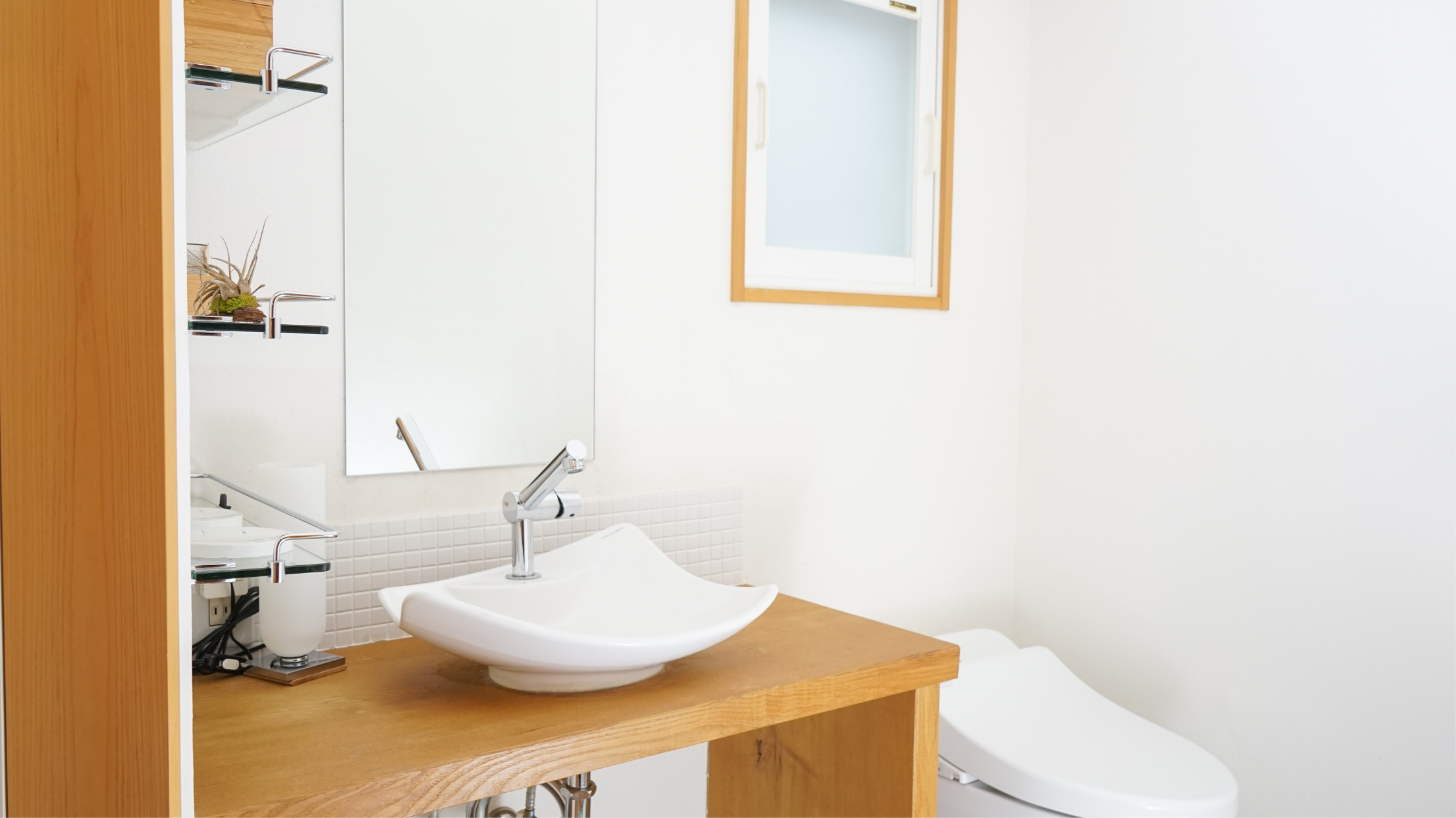
Dealing with a toilet basin that doesn't drain properly is a situation many of us have encountered. Whether it's a minor inconvenience or a major problem, understanding the causes and solutions is crucial. In this article, we'll explore effective ways to troubleshoot a clogged toilet basin, ensuring your plumbing stays in top-notch condition.
Understanding the Problem
Before diving into solutions, it's essential to understand why your toilet basin might not be draining properly. Various factors can contribute to this issue, including accumulated debris, foreign objects, or more complex plumbing issues. Recognizing the root cause will guide your troubleshooting efforts.
Tools Needed for Troubleshooting
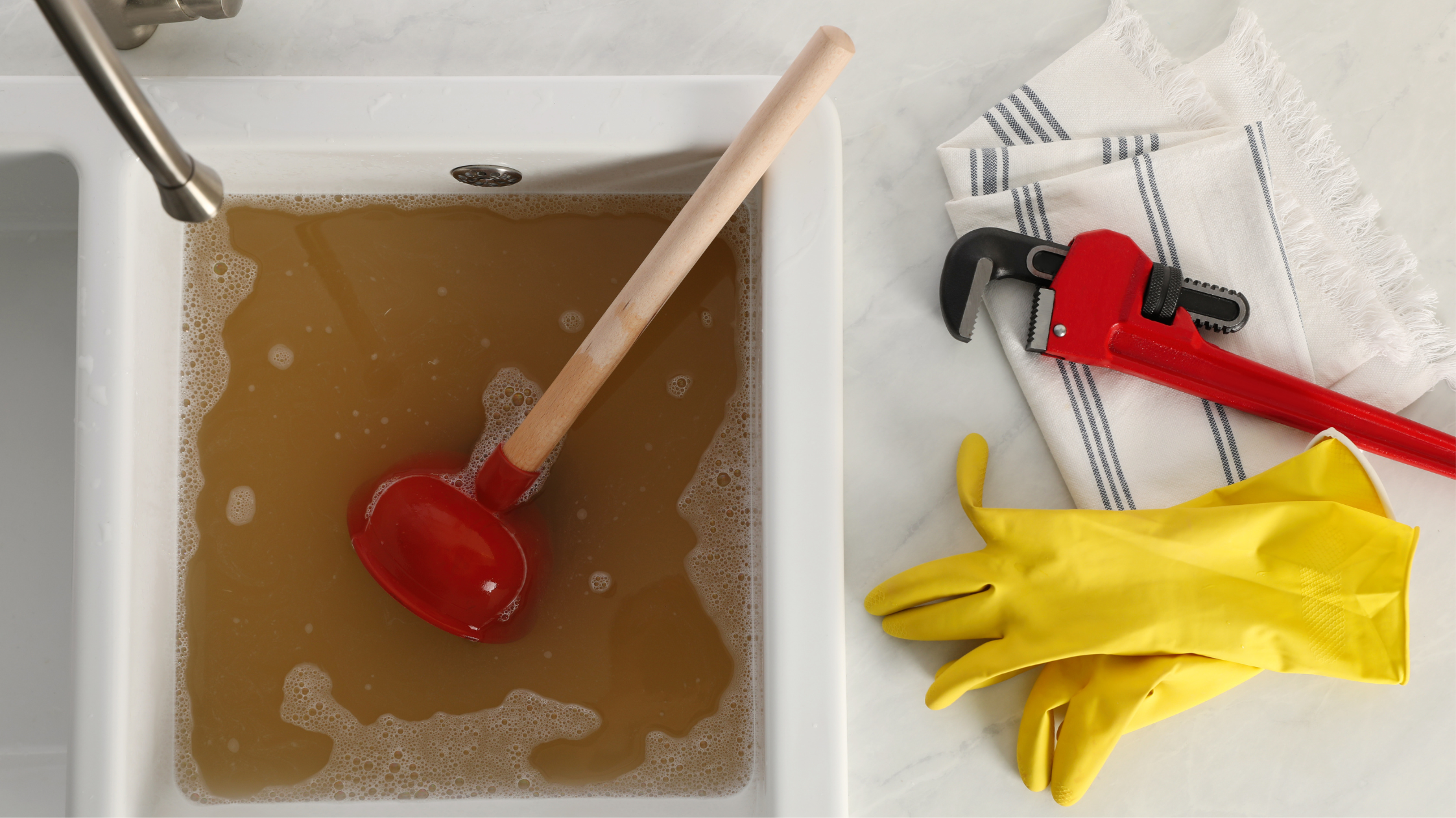
To get started, gather a few essential tools: a plunger, an auger or snake, protective gloves, and possibly a bucket. Always prioritize safety by wearing gloves and, if needed, safety glasses. Now, let's proceed to the steps to tackle the problem effectively.
Step 1: Initial Inspection
Begin by visually inspecting the toilet basin for any visible blockages. Ensure you're wearing protective gear, such as gloves and, if necessary, safety glasses. Identify and remove any obvious debris that might be causing the blockage.
Step 2: Plunger Technique
The plunger is a classic tool for resolving toilet basin drainage issues. Place the plunger over the drain, ensuring a tight seal. Firmly push and pull the plunger to create suction. Be patient and persistent, as this method often clears minor blockages.
Step 3: Auger or Snake Method
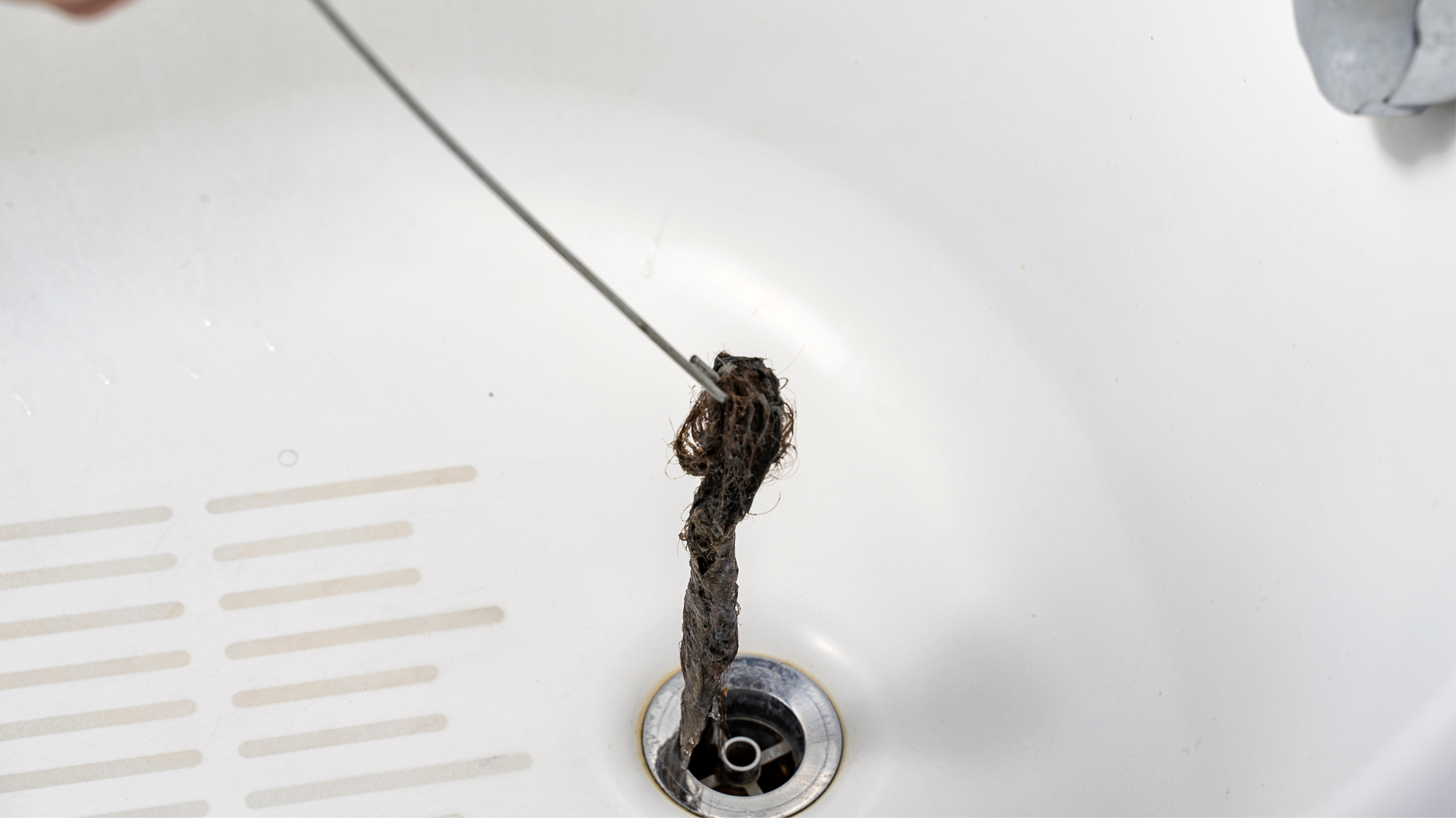
For more stubborn blockages, an auger or snake can be invaluable. Insert the tool into the drain and rotate it to break up or retrieve the obstruction. Always follow safety guidelines when using plumbing tools, and handle them with care.
Step 4: Homemade Solutions
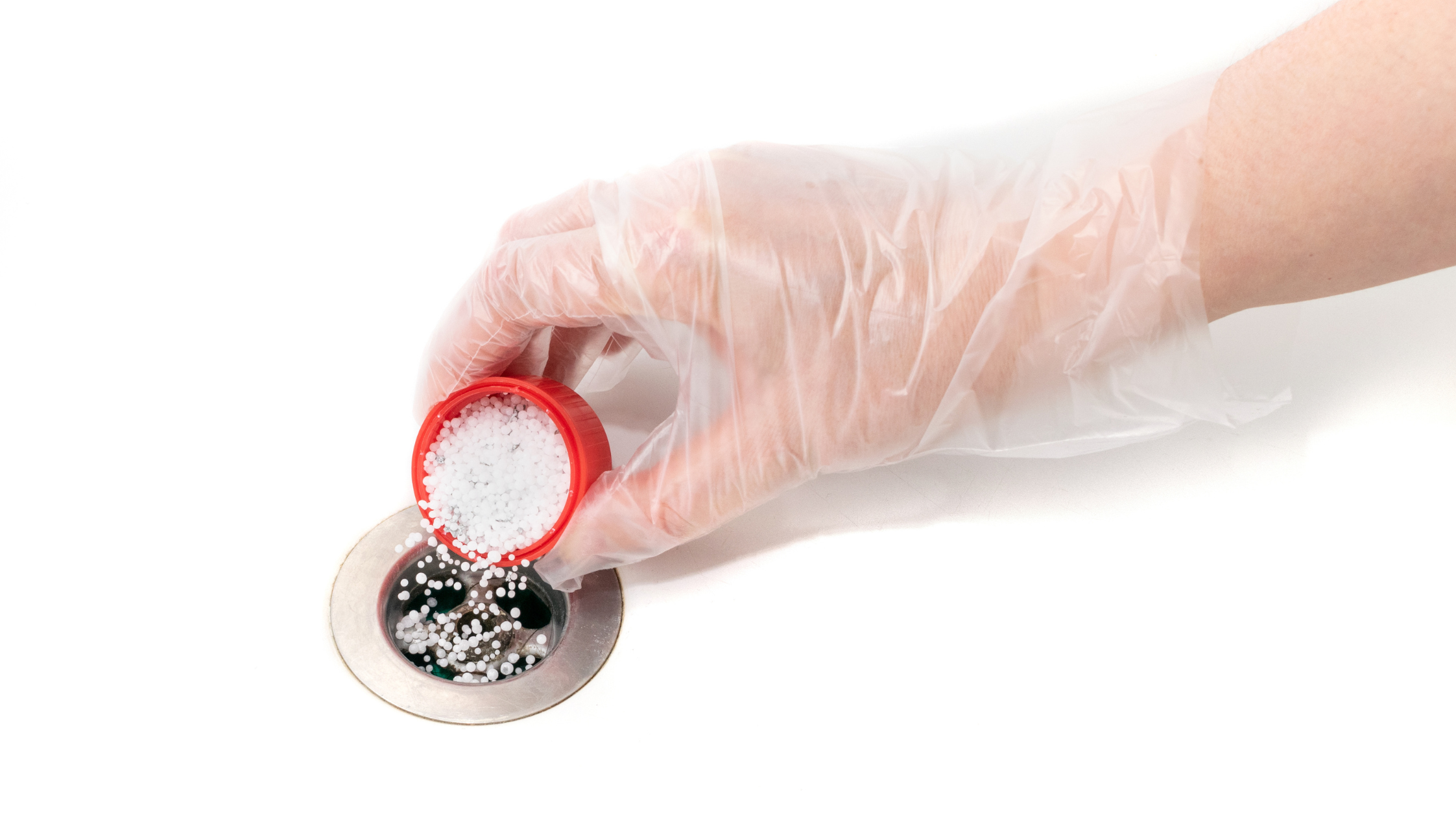
If the plunger or auger doesn't do the trick, consider homemade drain cleaners. Baking soda and vinegar can help break down organic material, while hot water can flush it away. Avoid using harsh chemicals, as they may damage your plumbing system.
Preventing Future Blockages
Prevention is key to maintaining a smoothly functioning toilet basin. Implement simple practices, such as avoiding flushing non-disposable items and conducting regular inspections, to prevent future blockages.

When to Seek Professional Help
While many issues can be resolved independently, there are instances where professional assistance is necessary. If your efforts prove futile or if you suspect a more complex problem, don't hesitate to call in a plumber.
Importance of Regular Maintenance
Don't wait for a clog to take action. Regular maintenance, including visual inspections and cleaning, can prevent minor issues from escalating into major problems. A proactive approach can save you time and money in the long run.
Common Misconceptions about Toilet Drainage
Let's debunk some myths. Contrary to popular belief, flushing certain items won't magically clear your pipes. Avoid falling for misconceptions and follow proper disposal practices to keep your plumbing in optimal condition.
Environmental Impact of Plumbing Issues
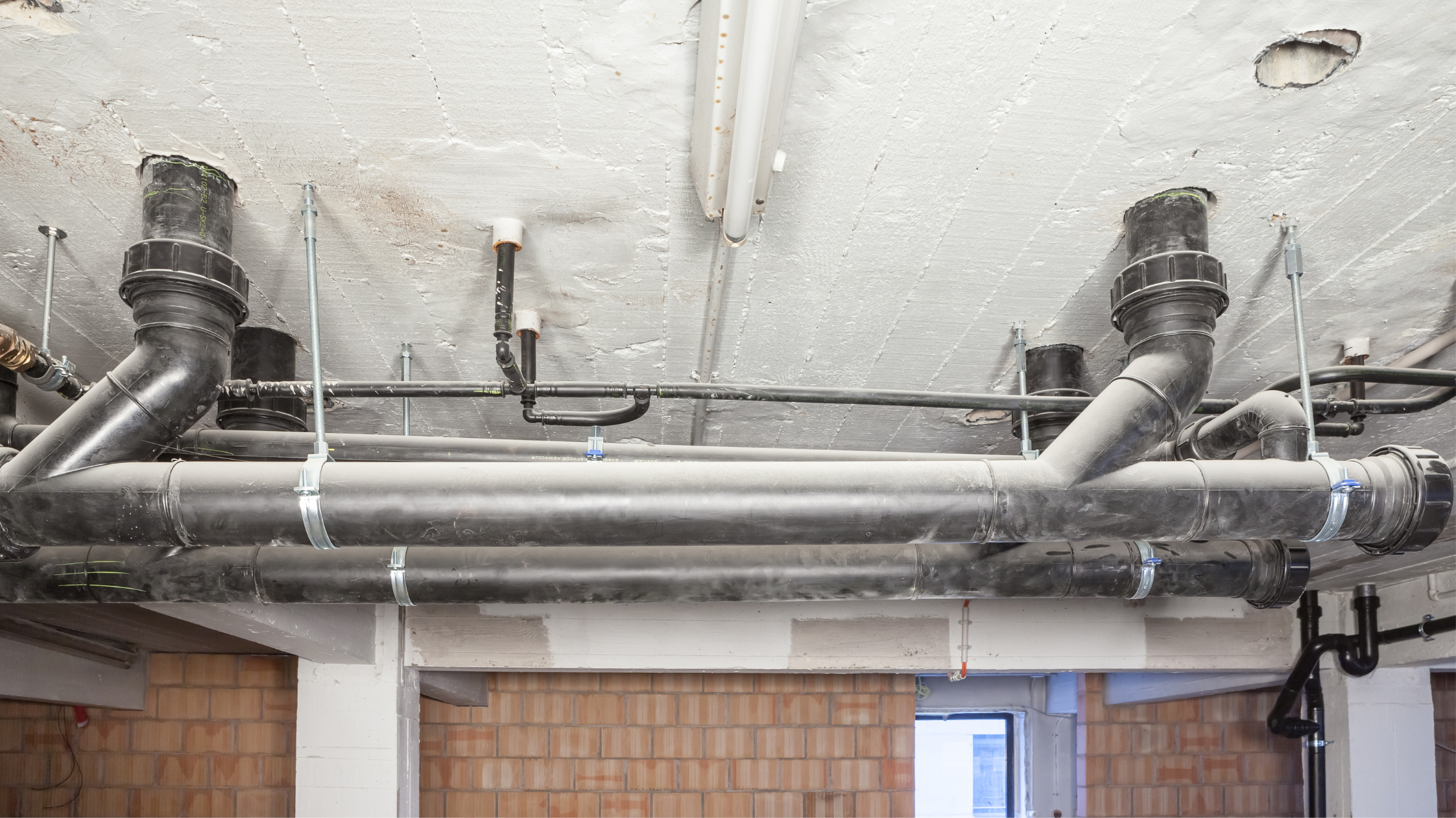
Neglecting plumbing maintenance can have environmental consequences. Leaks and overflows contribute to water wastage and pollution. By responsibly managing your household plumbing, you're also contributing to a healthier environment.
User-Friendly Tips for DIY Enthusiasts
For those who enjoy handling minor household issues, here are some user-friendly tips. Regularly check for early signs of blockages, and address them promptly using the methods outlined in this article. A proactive approach can save you from major headaches down the line.

Conclusion
In conclusion, troubleshooting a clogged toilet basin is a manageable task with the right tools and knowledge. Regular maintenance and a proactive approach can prevent common issues, ensuring your plumbing system operates smoothly. By following the steps outlined in this guide, you'll be better equipped to handle any drainage challenges that may arise.
FAQs
It's not recommended, as harsh chemicals can damage your plumbing. Opt for natural alternatives like baking soda and vinegar.
Move on to the auger or snake method, as it's effective for more stubborn blockages.
Regular visual inspections are recommended, at least once a month, to catch issues early.
Avoid flushing non-disposable items like paper towels, sanitary products, and baby wipes to prevent blockages.
If your DIY efforts don't resolve the problem or if you suspect a more complex issue, seek professional help.