

Hidden pipe leaks behind cabinets can be a homeowner's nightmare. These concealed leaks not only pose a threat to the structural integrity of your home but can also lead to costly water damage. In this comprehensive guide, we will provide you with valuable insights, effective troubleshooting techniques, and preventive measures to help you detect and repair hidden pipe leaks occurring behind cabinets. Let's dive in!
## 1. Understanding Hidden Pipe Leaks
Concealed pipe leaks occur when water pipes behind cabinets develop cracks, corrosion, or other forms of damage. These leaks can go unnoticed for a long time, causing gradual damage to your cabinets, flooring, and even the walls. To tackle concealed cabinet leaks effectively, it is essential to learn how to detect them early on.
## 2. Signs of Hidden Pipe Leaks
Detecting hidden pipe leaks requires careful observation. Look out for the following signs that may indicate the presence of a concealed leak behind your cabinets:
### a) Damp or Musty Odor
If you notice a persistent damp or musty odor around your cabinets, it could be a sign of hidden water leakage. The stagnant water resulting from a concealed pipe leak can create a moldy smell in the surrounding area.
### b) Discoloration or Stains
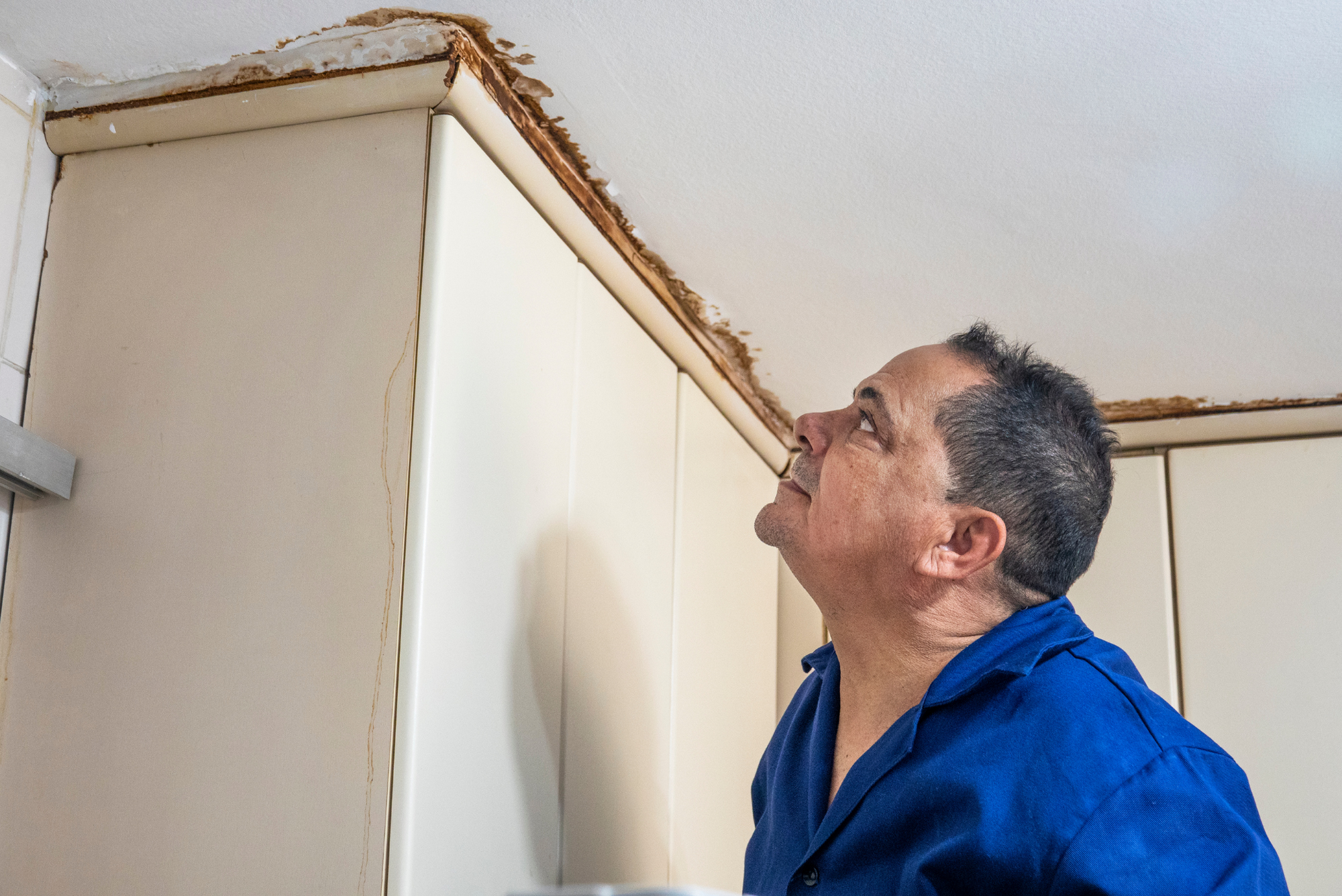
Pay attention to any discoloration or water stains on the walls, flooring, or cabinets near the affected area. These stains can indicate water seepage caused by a concealed pipe leak.
### c) Warped or Swollen Cabinet Materials
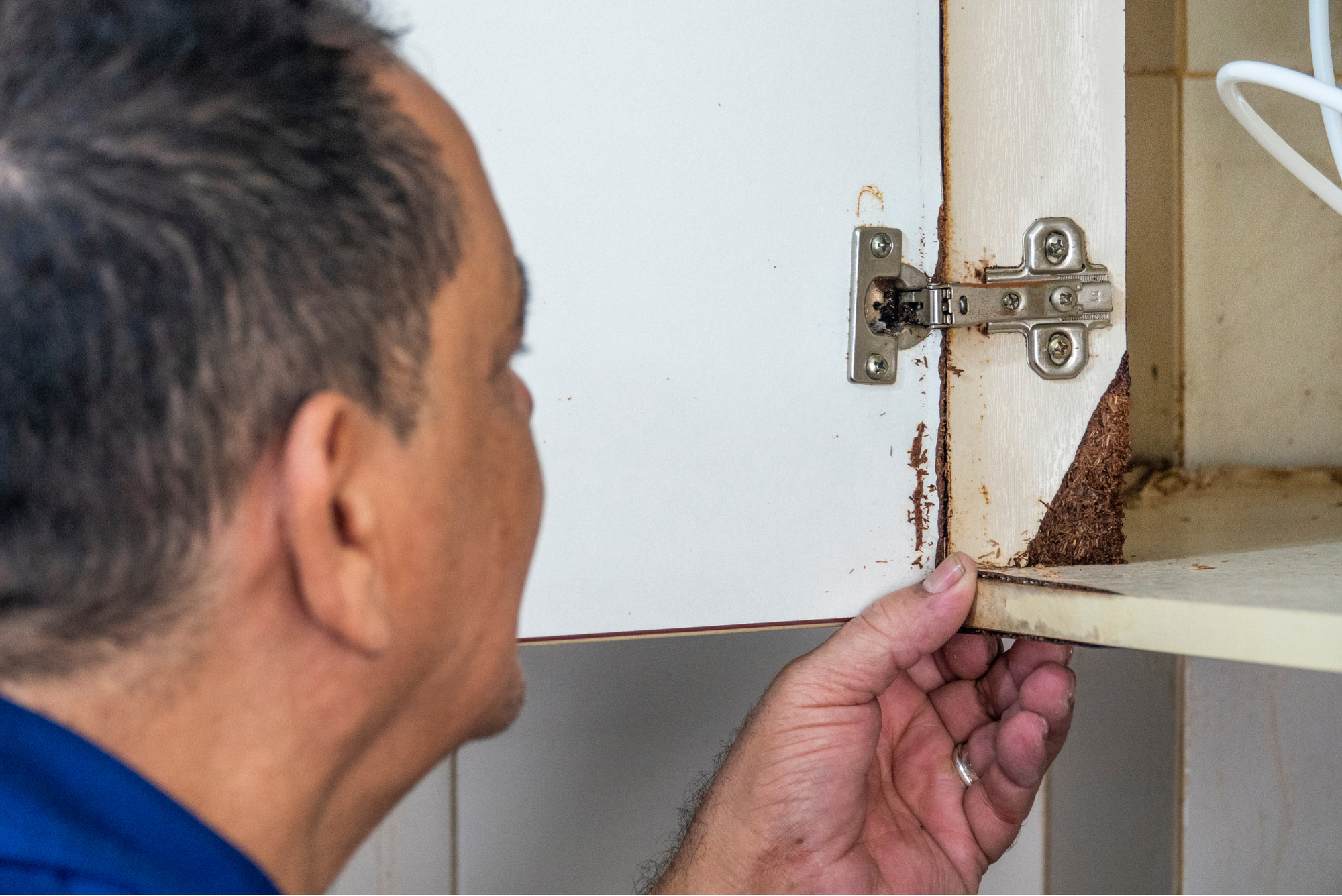
Excessive moisture from hidden pipe leaks can cause the cabinet materials, such as wood or particleboard, to warp or swell. Keep an eye out for any changes in the shape or texture of your cabinets.
### d) Unexplained Increase in Water Bills
If you notice a sudden and unexplained increase in your water bills, it could be a sign of a hidden pipe leak. Monitor your water usage and compare it with previous bills to identify any significant discrepancies.
## 3. Detecting Hidden Pipe Leaks
Once you suspect a hidden pipe leak behind your cabinets, it's time to investigate further. Follow these steps to detect and locate the source of the leak:
### a) Shut Off Water Supply
Before you begin your investigation, turn off the water supply to prevent further leakage. Locate the main water valve and close it to stop the flow of water.
### b) Empty the Cabinets
Remove all items from the cabinets and clear the area to have unobstructed access for inspection. Place the items in a safe location to avoid any damage.
### c) Visual Inspection
Thoroughly examine the cabinets, surrounding walls, and flooring for any visible signs of leakage. Look for damp spots, mold growth, or water stains that may indicate the presence of a concealed pipe leak.
### d) Utilize Tools
To aid in the detection process, you can use tools such as a moisture meter or a thermal imaging camera. These tools can help identify hidden moisture or temperature variations, pinpointing the exact location of the leak.
### e) Listen for Water Sounds
Sometimes, you can detect hidden leaks by listening carefully for the sound of dripping or running water. Turn off any background noise and place your ear close to the cabinets to identify any audible signs of leakage.
### f) Seek Professional Help
If you are unable to locate the hidden pipe leak or if the situation seems complex, it's advisable to seek professional assistance. A emergency plumber has the expertise and specialized equipment to detect and repair concealed pipe leaks effectively.
## 4. Repairing Hidden Pipe Leaks
Once you have identified the location of the hidden pipe leak, you can take steps to repair it. The complexity of the repair will depend on the severity and nature of the leak. Here are some general guidelines to help you get started:
### a) Minor Leaks
For minor leaks, you may be able to repair them yourself using appropriate sealing materials such as plumber's tape or epoxy. Carefully follow the instructions provided with the sealing product and ensure a thorough application to stop the leak.
### b) Moderate to Severe Leaks
If the leak is significant or persists despite your initial repair attempts, it is recommended to contact a professional plumber. They have the knowledge and experience to handle complex repairs and ensure a long-lasting solution.
### c) Cabinet Restoration
After fixing the hidden pipe leak, assess the damage caused to your cabinets. If the materials are severely affected, you may need to replace or restore them to their original condition. Consult with a professional carpenter or cabinet specialist for the best course of action.
## 5. Preventive Measures
Preventing hidden pipe leaks is crucial for maintaining the integrity of your cabinets and preventing future water damage. Here are some preventive measures you can take:
### a) Regular Inspections
Include regular inspections of your cabinets and plumbing system in your home maintenance routine. Look for any signs of leakage, deterioration, or corrosion and address them promptly.
### b) Maintain Proper Ventilation
Proper ventilation in the cabinets can help reduce moisture buildup, minimizing the risk of hidden pipe leaks. Ensure that there is sufficient airflow around the pipes by keeping the cabinet doors slightly open or installing ventilation grilles.
### c) Insulate Pipes
Insulating pipes can protect them from temperature fluctuations and prevent them from freezing or bursting, reducing the chances of hidden leaks. Use pipe insulation sleeves or foam insulation tape to safeguard your pipes.
### d) Monitor Water Pressure
High water pressure can put excessive stress on your plumbing system, increasing the likelihood of leaks. Install a pressure regulator or consult a professional plumber to ensure that the water pressure remains within the recommended range.
### e) Promptly Fix Plumbing Issues
Address any plumbing issues, such as a leaking tap or running toilets, as soon as you notice them. Even seemingly minor problems can lead to hidden pipe leaks if left unattended.
## 6. Conclusion
Hidden pipe leaks behind cabinets can cause significant damage if not detected and repaired promptly. By understanding the signs of concealed leaks, employing effective detection techniques, and taking preventive measures, you can safeguard your cabinets and maintain a leak-free plumbing system.
Remember, when in doubt, it's always best to seek professional assistance at HDBPlumber Service to ensure proper repairs and minimize the risk of further damage. With diligence and proactive maintenance, you can protect your home and enjoy peace of mind knowing that hidden pipe leaks are under control.