

Water leakage is a concern that often goes unnoticed until it evolves into a significant problem. Recognizing the signs, understanding the potential causes, and taking preventive measures are crucial in maintaining the integrity of water tanks and avoiding costly damages. In this comprehensive article, we will delve into the various aspects of water tank leaks, from detection to prevention and the broader environmental impact.
I. Introduction
A. Definition of Water Leakage
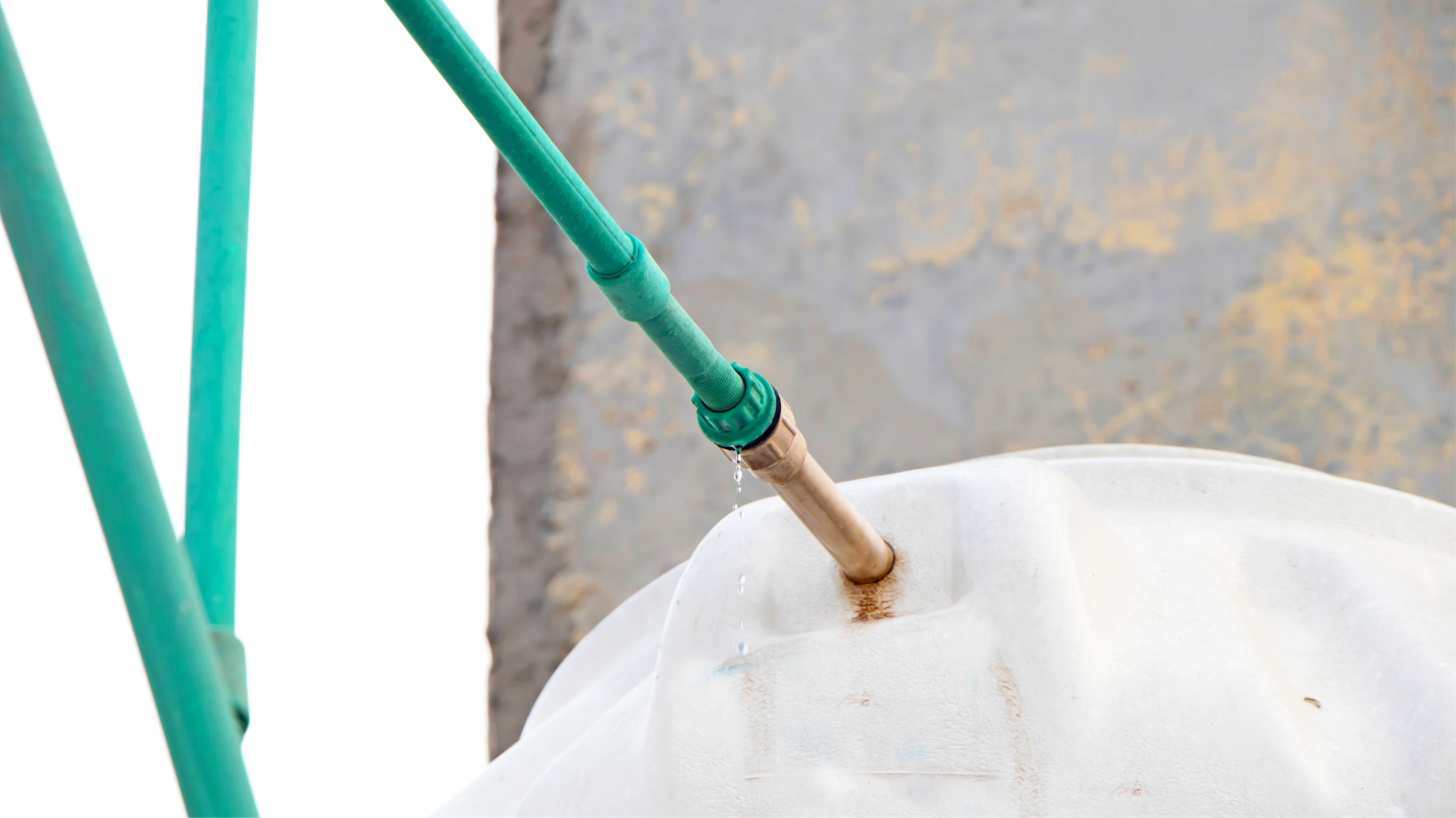
Water leakage refers to the unintended escape of water from its intended pathway, often resulting in damage to structures and property. In the context of water tanks, leakage can lead to a range of issues, including increased utility costs and structural damage.
B. Importance of Timely Detection
Timely detection of water tank leaks is paramount. Ignoring the signs can result in severe consequences, both in terms of property damage and potential health risks. Understanding the signs and causes of water leaks is the first step in addressing this issue effectively.
II. Signs of Water Leakage
A. Unexplained Increase in Water Bills
One of the initial indicators of a water tank leak is an unexplained spike in water bills. Monitoring and comparing water consumption can provide valuable insights into potential leaks.
B. Damp or Discolored Walls
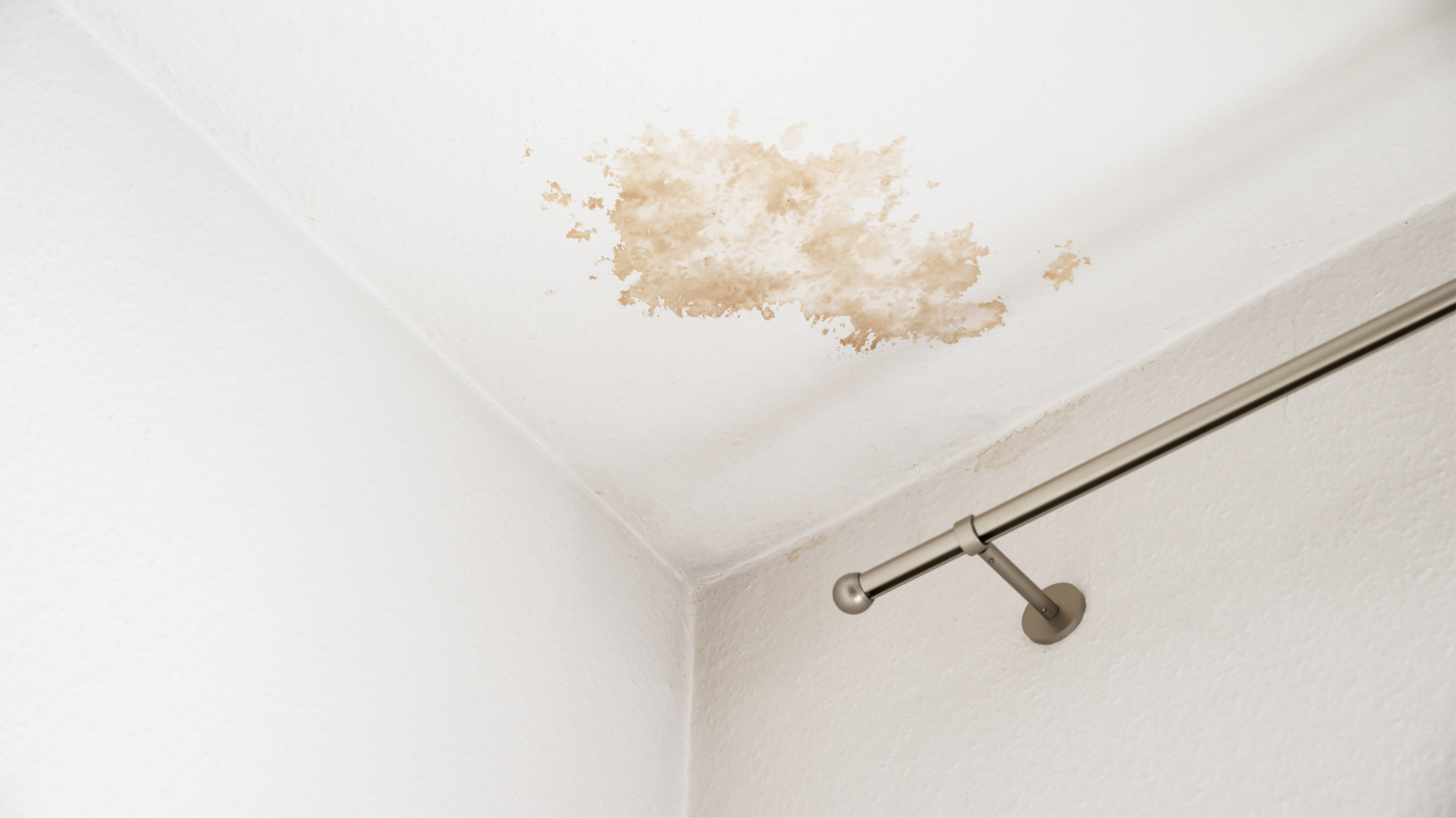
Visible dampness or discoloration on walls near the water tank area may indicate a leak. Such signs should not be dismissed, as they often point to underlying issues that require immediate attention.
C. Musty Odors
The presence of musty odors in the vicinity of the water tank can suggest mold or mildew growth, a common consequence of water leaks. Identifying and promptly addressing the source is crucial.
D. Presence of Mold or Mildew
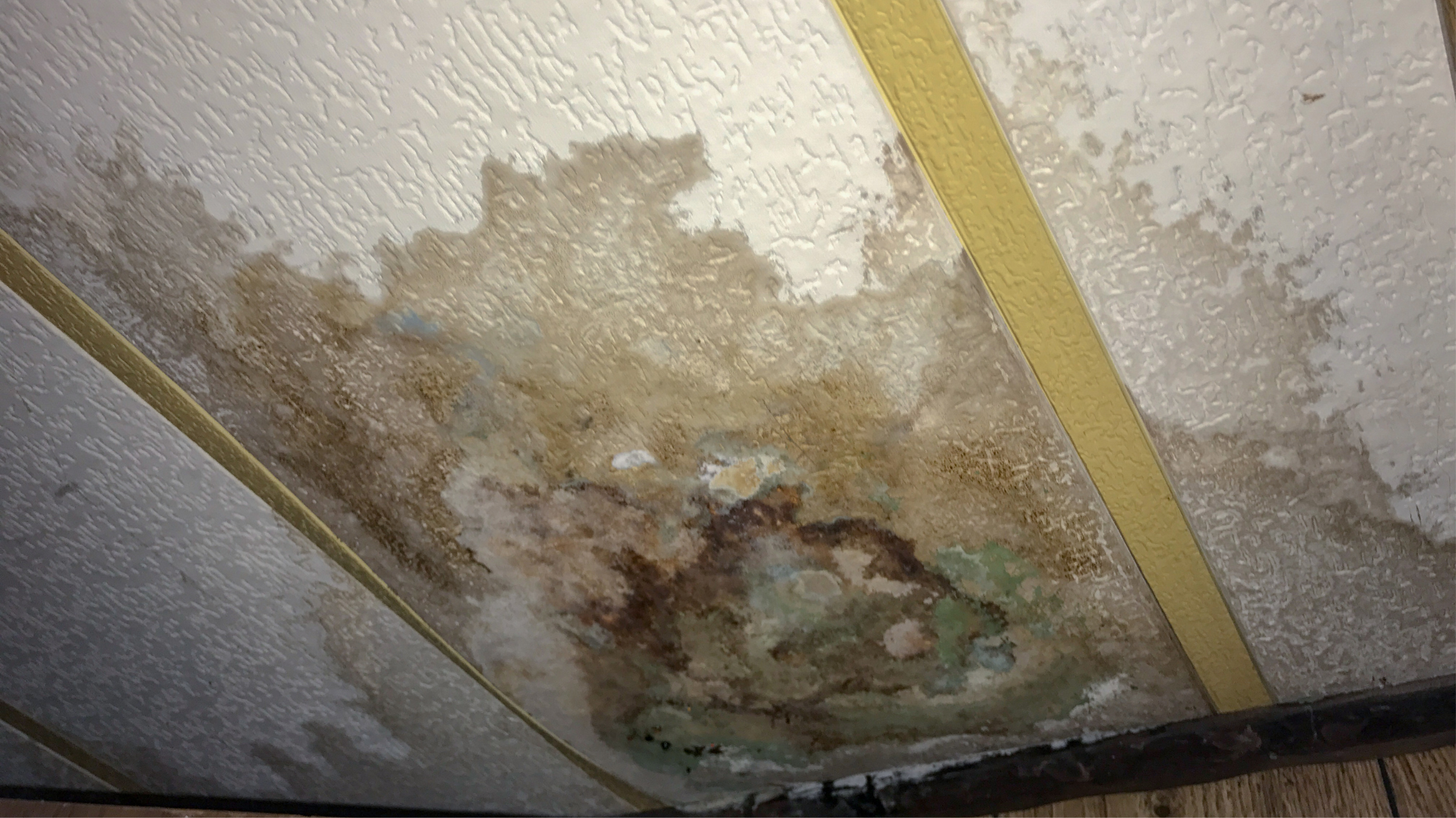
Mold and mildew flourish in moist places. Their presence not only indicates a water leak but also poses health risks. Proper ventilation and addressing leaks can prevent their growth.
III. Potential Causes of Water Tank Leakage
A. Corrosion
Corrosion of the water tank material can weaken its structural integrity, leading to leaks. Regular inspection and maintenance can help identify and address corrosion issues promptly.
B. Faulty Seals or Joints
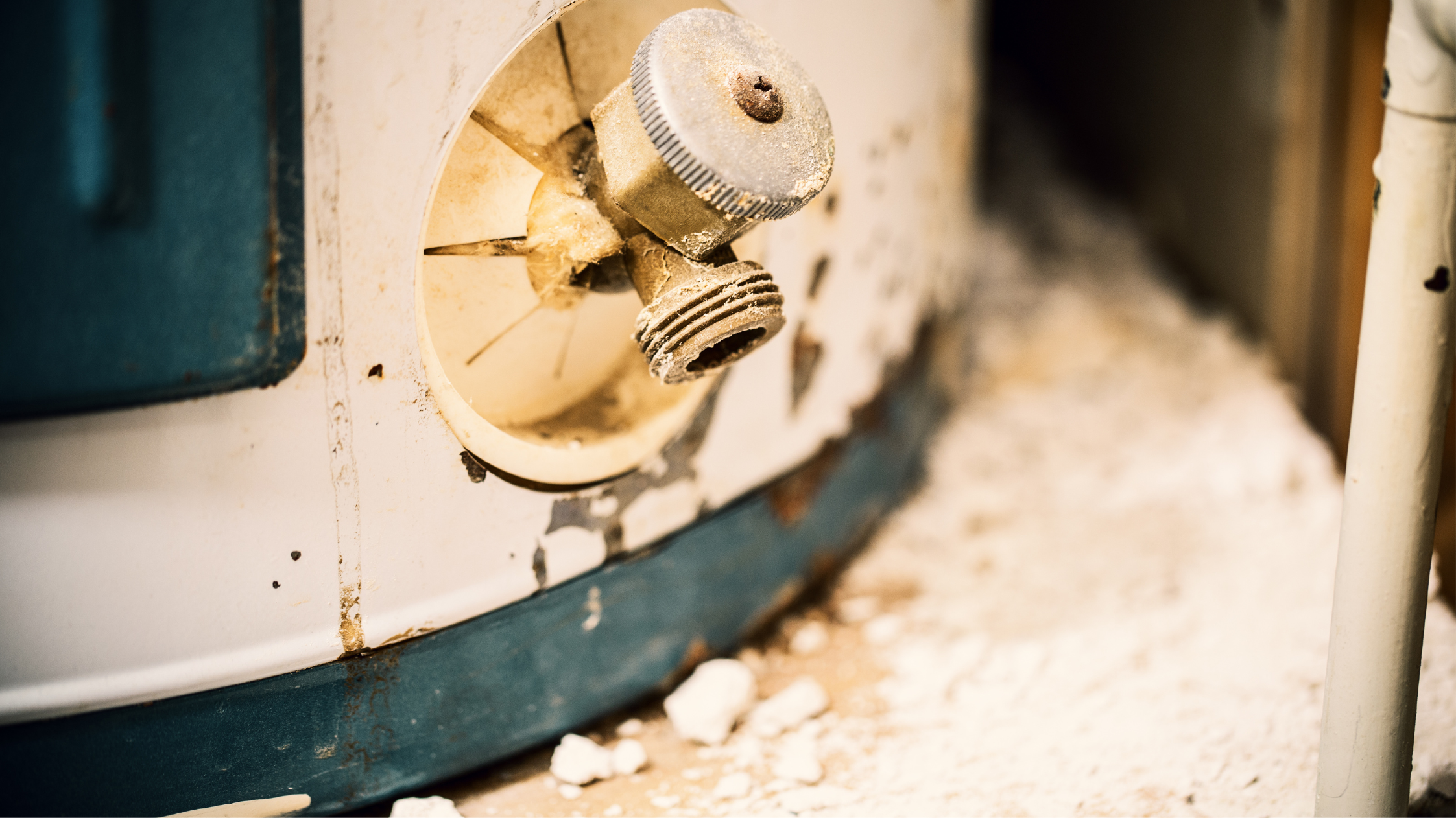
Seals and joints play a crucial role in preventing water leakage. Over time, wear and tear can compromise their effectiveness, necessitating timely replacement or repair.
C. High Water Pressure
Excessive water pressure can strain the tank and its components, resulting in leaks. Installing pressure-regulating devices can help maintain optimal pressure levels.
D. Aging Infrastructure
As water tanks age, the likelihood of leaks increases. Upgrading to newer and more durable materials can extend the tank's lifespan and reduce the risk of leaks.
IV. Consequences of Ignoring Water Tank Leaks
A. Structural Damage
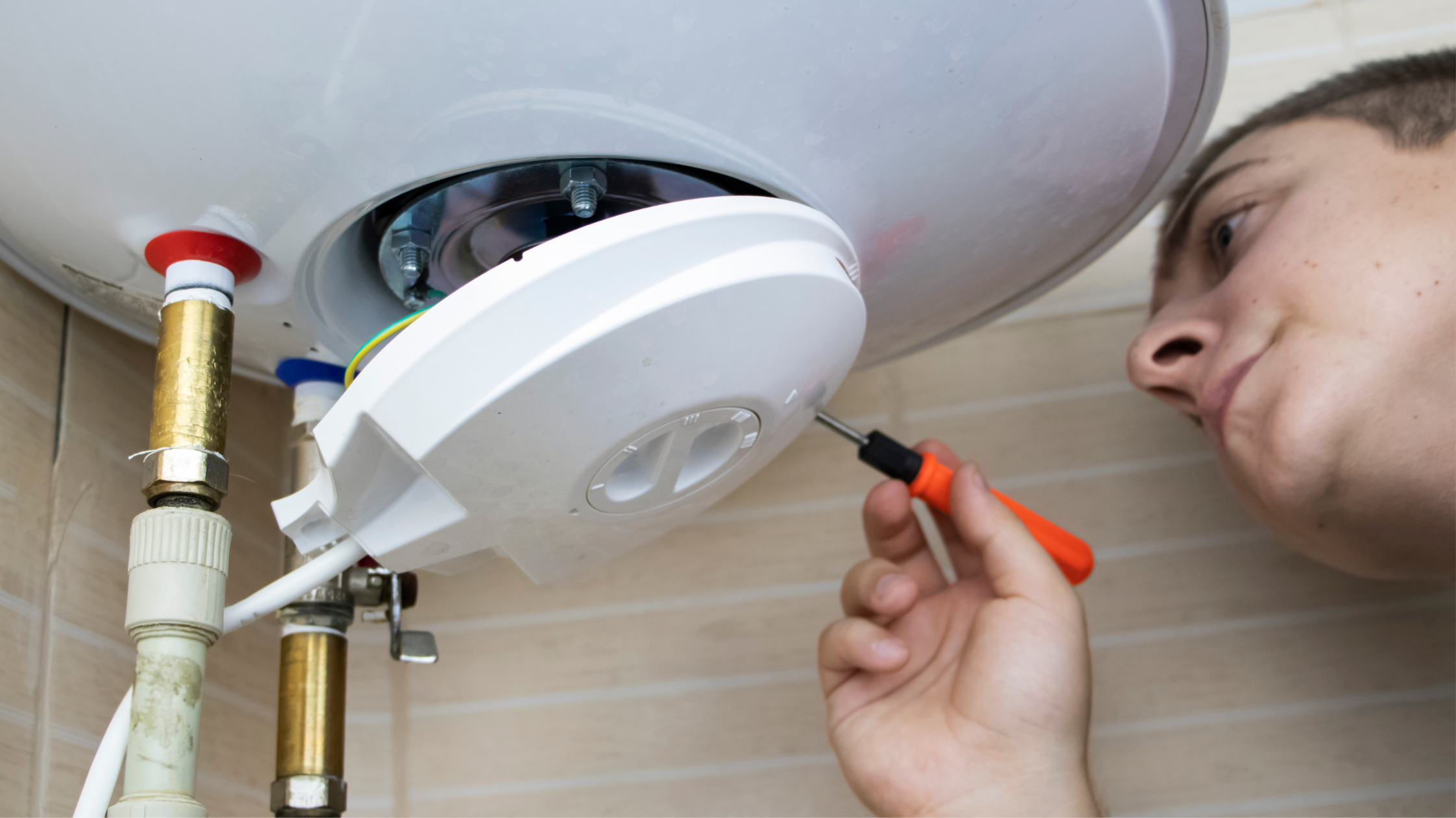
Unaddressed water leaks can cause structural damage to buildings and surrounding areas. The long-term consequences may involve costly repairs and compromises to the structural integrity of the property.
B. Health Risks
Mold and mildew growth, often associated with water leaks, can pose significant health risks. Respiratory issues and allergies are common health concerns associated with exposure to mold.
C. Increased Utility Costs
Leaking water results in increased water consumption, leading to higher utility bills. Ignoring leaks can result in prolonged financial strain and resource wastage.
V. DIY Water Leakage Detection
A. Monitoring Water Meter
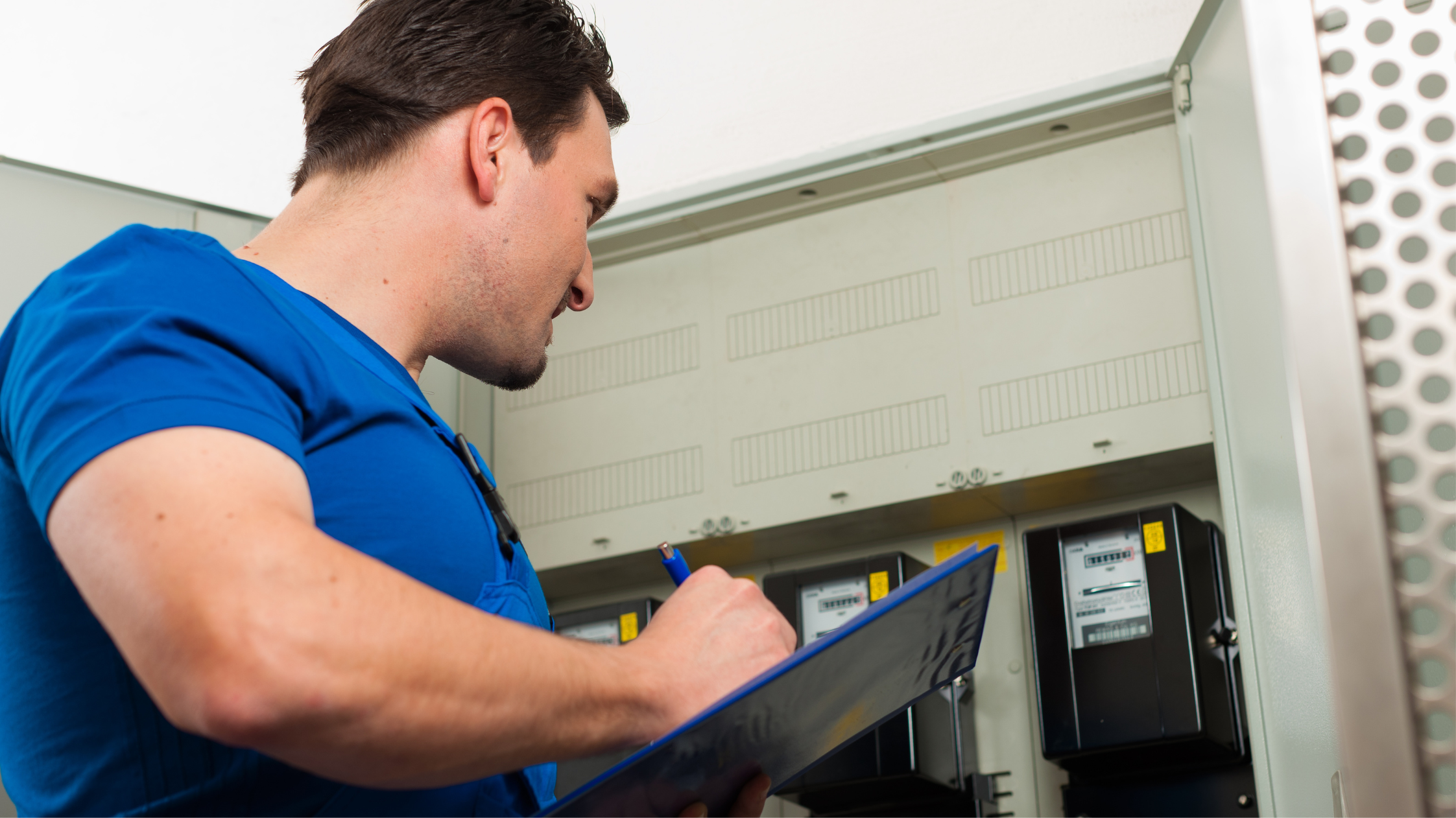
Regularly monitoring the water meter can help identify sudden increases in water usage, indicating a potential leak. Comparing current and past readings provides valuable insights.
B. Visual Inspection
A visual inspection of the water tank and its surroundings can reveal visible signs of leaks, such as puddles or stains. Prompt action based on visual cues can prevent further damage.
C. Using Leak Detection Dyes
Leak detection dyes can be added to the water in the tank. The dye will reveal the path of the leak, aiding in pinpointing the source for timely repairs.
D. Conducting Pressure Tests
Periodic pressure tests can assess the structural integrity of the water tank. Conducting these tests can help identify vulnerabilities before they escalate into leaks.
VI. Professional Water Leak Detection Services
A. Importance of Professional Inspection
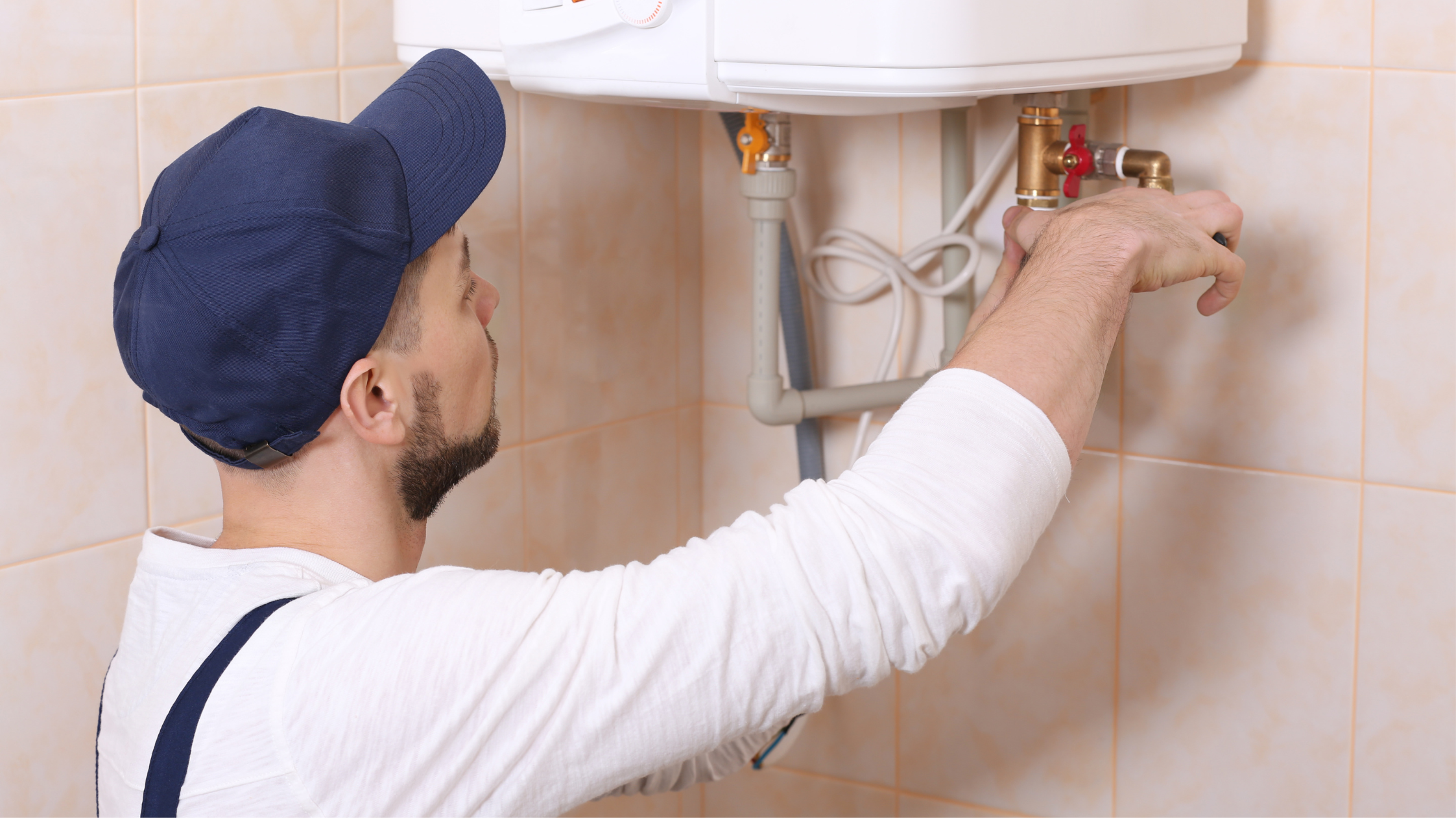
While DIY methods are beneficial, professional inspection services bring a higher level of accuracy. Certified licensed plumbers equipped with advanced tools can detect leaks that may go unnoticed otherwise.
B. Advanced Leak Detection Technologies
Technological advancements have led to the development of sophisticated leak detection tools, such as acoustic sensors and infrared cameras. These technologies enhance the precision of leak detection.
C. Hiring Certified Plumbers
Engaging certified plumbers with expertise in plumbing leak detection ensures that the issue is accurately identified and addressed. Their experience reduces the margin of error in leak detection.
VII. Steps to Confirm Water Tank Leakage
A. Shutting Off Water Supply
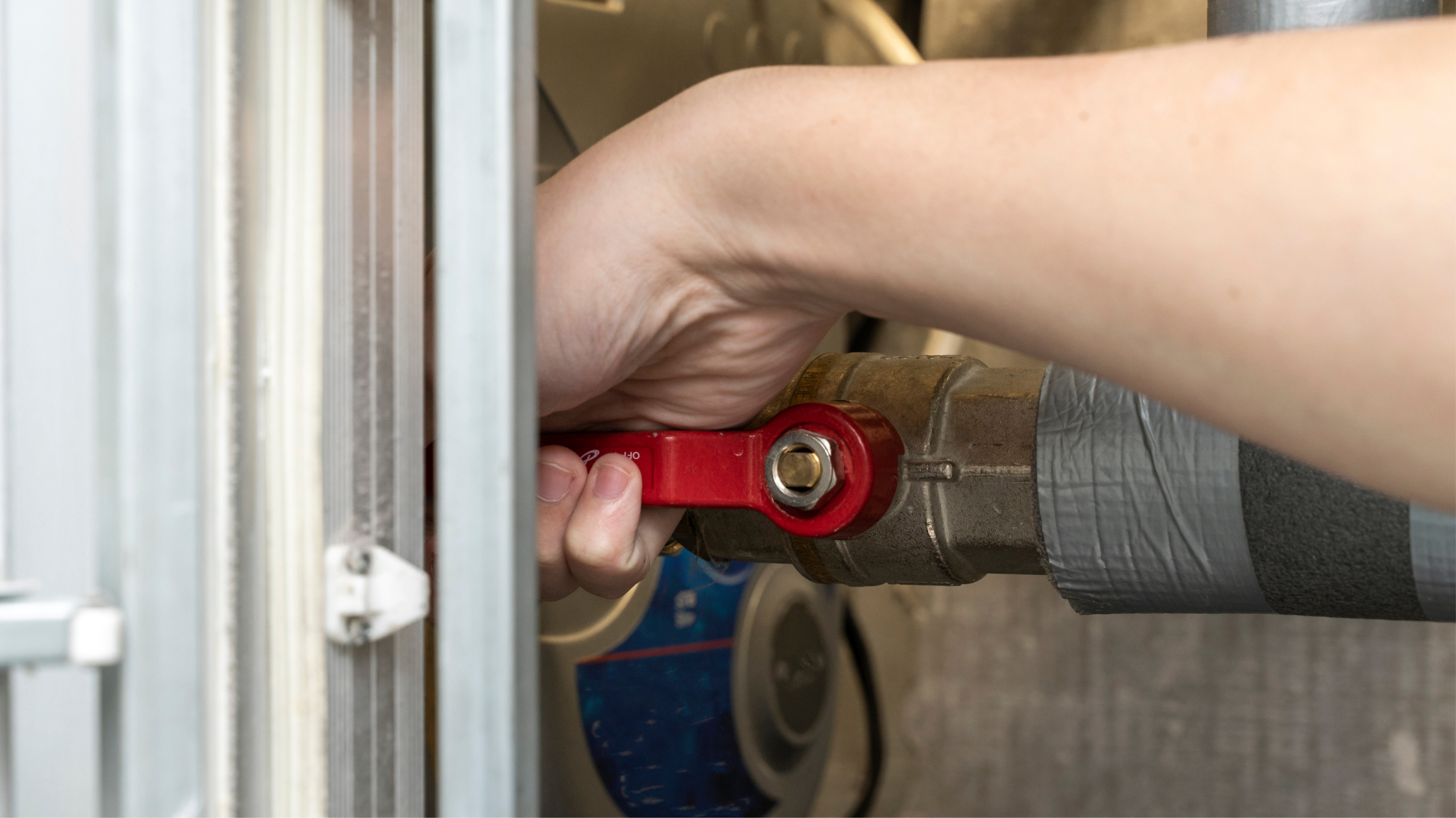
Before confirming a water tank leak, shutting off the water supply is crucial. This step prevents further damage and allows for a thorough inspection.
B. Emptying the Water Tank
Emptying the water tank facilitates a detailed examination of its interior. This step is essential for identifying the specific location and extent of the leak.
C. Inspecting the Tank Interior
Carefully inspecting the tank's interior helps in visually confirming the presence of leaks. Water stains, rust, or weakened areas are clear indicators of a leak.
D. Identifying and Repairing Leaks
Once the leak is identified, prompt repairs are necessary. Depending on the severity, repairs may involve sealing small cracks or replacing damaged sections.
VIII. Preventive Measures to Avoid Water Tank Leaks

A. Regular Inspection and Maintenance
Frequent inspection and maintenance routines are essential in preventing water tank leaks. Identifying and addressing issues in their early stages significantly reduces the risk of major leaks.
B. Installing Leak Detection Systems
Advanced leak detection systems can provide real-time alerts in the event of a leak. Installing these systems adds an additional layer of protection, especially for large water storage facilities.
C. Monitoring Water Pressure
Regularly monitoring and regulating water pressure can prevent undue stress on the water tank. Implementing pressure control measures safeguards against potential leaks.
D. Upgrading Old Water Tanks
Older water tanks are more susceptible to leaks. Upgrading to modern, corrosion-resistant materials can extend the tank's lifespan and reduce the frequency of leaks.
IX. Educational Campaigns on Water Conservation

A. Raising Awareness on Water Wastage
Educational campaigns can inform the public about the consequences of water leaks and the importance of conservation. Increased awareness encourages responsible water usage.
B. Promoting Responsible Water Usage
Encouraging responsible water usage through community initiatives and educational programs fosters a culture of conservation, reducing the overall demand on water resources.
X. Environmental Impact of Water Leaks
A. Water Scarcity Concerns
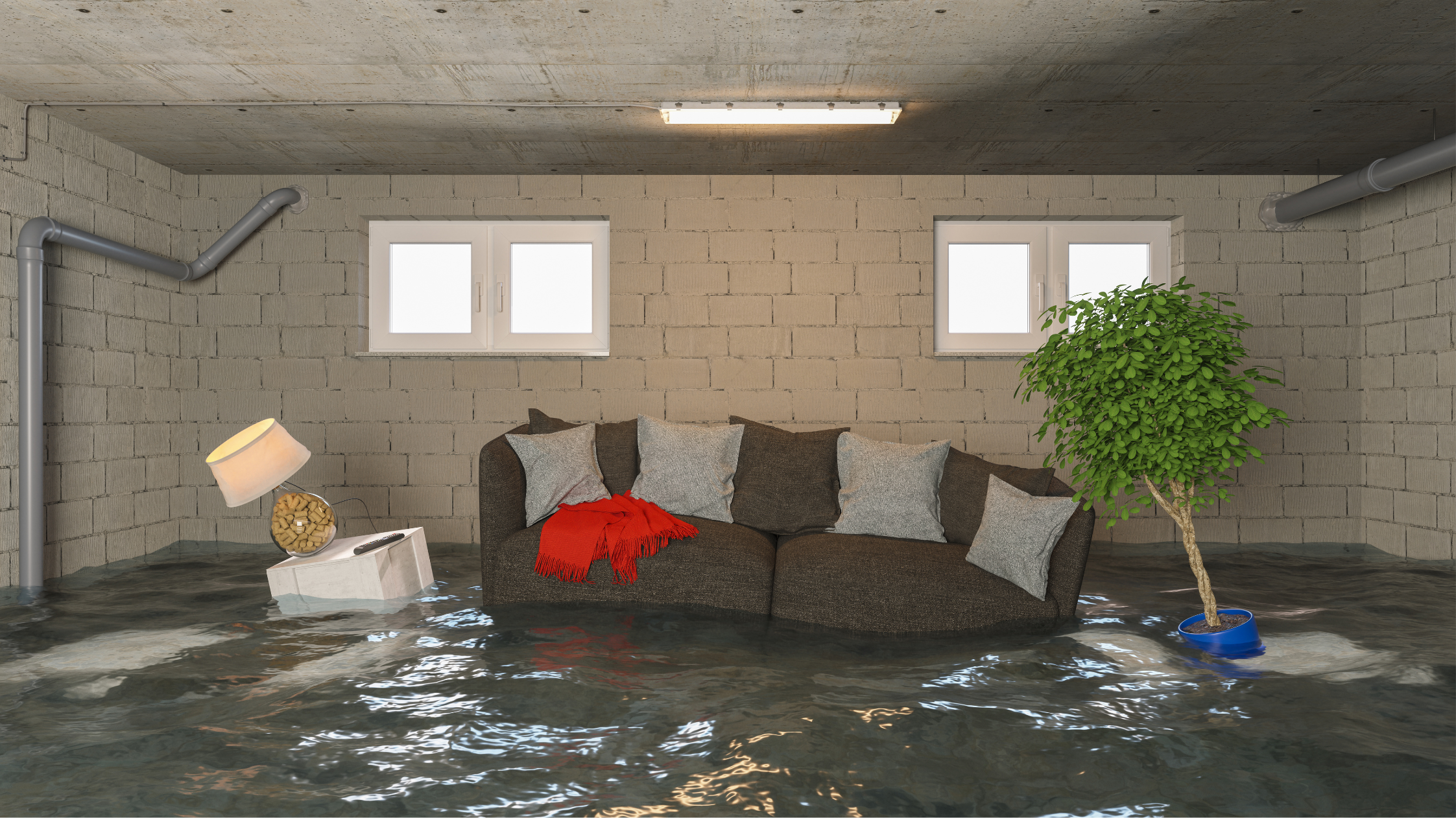
Water leaks contribute to water scarcity concerns, affecting both urban and rural areas. Responsible water management is crucial to mitigate the environmental impact.
B. Impact on Aquatic Ecosystems
The release of untreated water from leaks can harm aquatic ecosystems. Contaminants and altered water flow patterns can disrupt the delicate balance of aquatic environments.
XI. Case Studies: Real-Life Consequences of Ignored Water Leaks

A. Residential Water Tank Leak
Examining a case where a residential water tank leak went unaddressed, leading to significant property damage and health risks.
B. Commercial Water Storage Disaster
Analyzing a commercial water storage disaster to understand the broader consequences of neglecting water leaks on a larger scale.
XII. Legal Implications of Neglecting Water Leaks

A. Liability for Property Damage
Property owners may face legal consequences for neglecting water leaks that result in damage to neighboring properties. Understanding liability is crucial for legal compliance.
B. Health Code Violations
Neglecting water leaks can lead to health code violations, especially in commercial establishments. Compliance with health codes is vital for public safety.

XV. FAQs on Water Tank Leakage
A. How to Detect Water Tank Leaks Early?
Providing practical tips and methods for early detection of water tank leaks to minimize damage.
B. Can Water Tank Leaks Be Repaired DIY?
Offering insights into DIY repairs for minor water tank leaks, along with the importance of professional intervention for complex issues.
C. Are There Any Insurance Policies for Water Damage?
Exploring insurance options for water damage and the criteria for coverage, guiding readers on potential financial protection.

XVI. Conclusion
A. Emphasizing the Urgency of Addressing Water Leaks
Reiterating the importance of prompt action in addressing water leaks to prevent extensive damage and associated costs.
B. Encouraging Proactive Measures
Encouraging readers to adopt proactive measures, from regular inspections to embracing technological innovations, to safeguard against water tank leaks and contribute to water conservation efforts.