

Understanding Drainage Pipe Leaks
Drainage pipe leaks occur when there are breaks, cracks, or openings in the pipes that allow water to escape. These leaks can happen in both residential and commercial properties, and they can result in water damage to foundations, walls, and surrounding structures.

Causes of Drainage Pipe Leaks
Corrosion
Over time, drainage pipes can corrode due to the contact with various chemicals present in the wastewater. Corrosion weakens the pipes and can eventually lead to leaks.
Poor Installation
Improper installation of drainage pipes can result in misaligned joints or insufficient connections,which can cause leaks. It is essential to hire a professional with expertise in drainage system installation.
Tree Root Intrusion
Tree roots are attracted to moisture, and if they find their way into the drainage pipes, they can cause significant damage. As the roots grow, they exert pressure on the pipes, leading to cracks and leaks.
Soil Shifting
Soil movement caused by factors like erosion, settling, or earthquakes can put stress on drainage pipes. This stress can cause the pipes to crack or break, resulting in leaks.
Clogs and Blockages
When debris, grease, or foreign objects accumulate in the drainage pipes, they can cause blockages.The pressure from the backed-up water can lead to leaks, especially in older or weakened pipes.
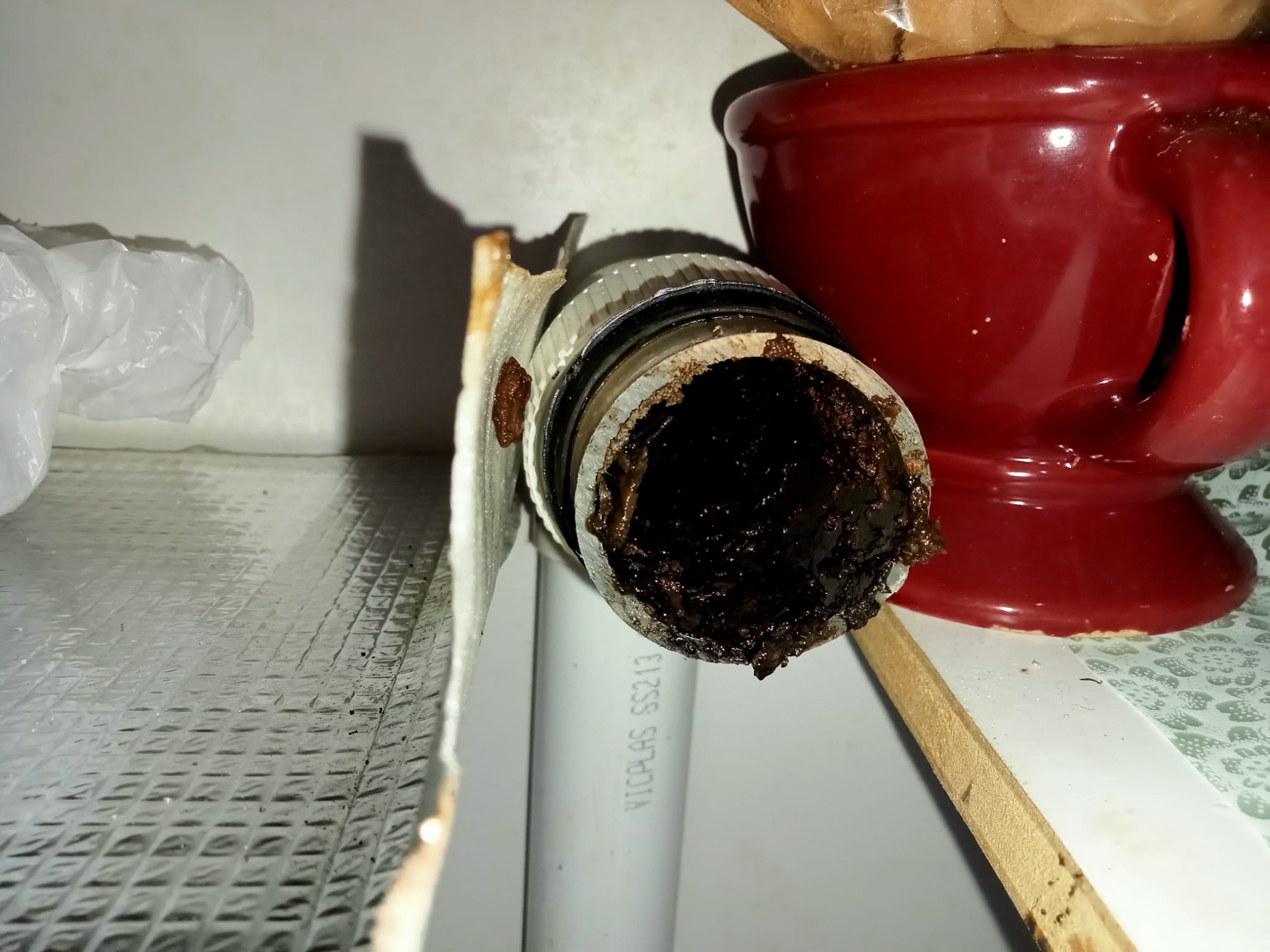
Signs and Symptoms of Drainage Pipe Leaks
To prevent extensive damage, it is crucial to be aware of the signs and symptoms indicating drainage pipe leaks. Prompt detection can save you time, money, and hassle in the long run. Some common indicators include:
Dampness or Puddles
Excessive moisture or standing water around the property, particularly near the drainage system,may indicate a leak.
Unpleasant Odors
Foul or sewage-like smells emanating from drains or outdoor areas can be a sign of leakage in the drainage pipes.
Slow Drainage
If you notice water draining slowly from sinks, showers, or toilets, it could be due to a leak in the drainage pipes.
Mold or Mildew Growth
Persistent mold or mildew growth in areas near the drainage system suggests a moisture problem caused by leaks.
Foundation Cracks
In severe cases, drainage pipe leaks can lead to cracks in the foundation or walls. These cracks may be accompanied by other signs such as wall discoloration or structural instability.
Methods for Detecting Drainage Pipe Leaks
To identify drainage pipe leaks accurately, several detection methods are available:
Visual Inspection
A thorough visual examination of the drainage system can help detect visible cracks, holes, or signs of damage.
Camera Inspection
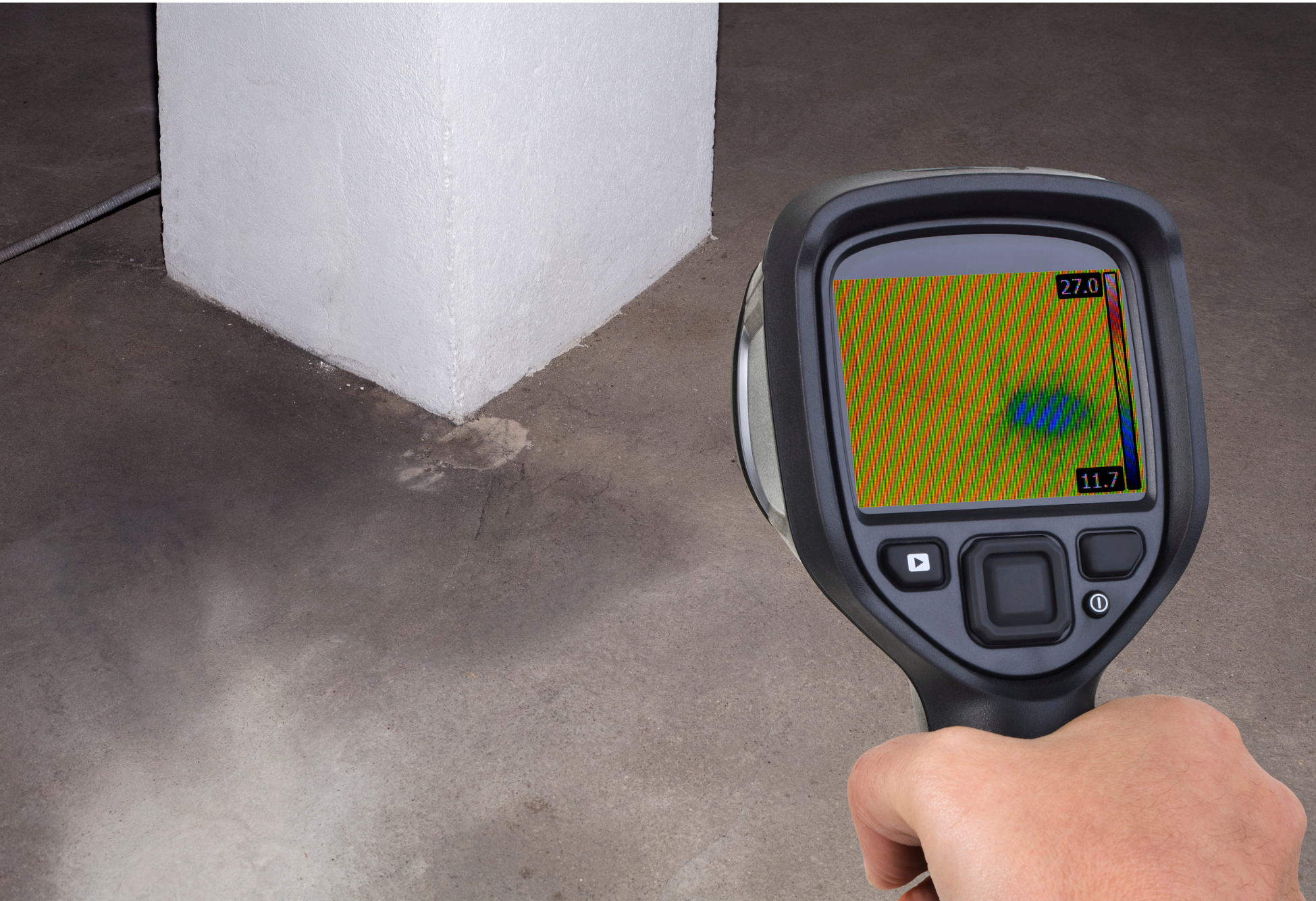
Using a specialized drain camera, professionals can inspect the inside of the pipes, identifying leaks and blockages that are not visible externally.
Pressure Testing
By pressurizing the drainage system with air or water, leaks can be detected by monitoring pressure drops or the presence of water escaping from damaged areas.
Dye Testing
A colored dye can be introduced into the drainage system to trace the path of leaks and identify their exact location.
Preventive Measures to Avoid Drainage Pipe Leaks
Prevention is key to maintaining a functional and leak-free drainage system. Here are some preventive measures to consider:
Regular Maintenance
Schedule periodic inspections and maintenance to identify and address potential issues before they escalate into major leaks.
Proper Installation
Ensure that drainage pipes are installed correctly by hiring professionals with expertise in drainage system installation.
Tree Root Management
Regularly inspect and manage tree roots near the drainage pipes to prevent intrusions and subsequent leaks.
Drainage System Cleaning
Clean the drainage system regularly to remove debris, grease, or other materials that can lead to blockages and leaks.
Proper Disposal Practices
Avoid disposing of harmful chemicals or objects that can corrode or damage the drainage system.Follow recommended disposal guidelines.
Conclusion
Drainage pipe leaks can be a significant concern for property owners, leading to various issues such as water damage, foundation problems, and health hazards. By understanding the causes, detecting the signs early, and implementing preventive measures, you can maintain the integrity of your drainage system and prevent costly repairs. Regular maintenance, proper installation, and effective preventive strategies will go a long way in avoiding drainage pipe leaks.
Frequently Asked Questions (FAQs)
1. **Q:** How often should I schedule maintenance for my drainage system?
- **A:** It is advisable to schedule maintenance at least once a year to ensure early detection of any potential issues.
2. **Q:** Can I detect drainage pipe leaks myself?
- **A:** While some signs may be visible, it is recommended to hire professionals for accurate detection using specialized tools and techniques.
3. **Q:** Are drainage pipe leaks covered by homeowner's insurance?
- **A:** The coverage may vary depending on your insurance policy. Contact your insurance provider to understand the extent of coverage.
4. **Q:** How can tree roots damage drainage pipes?
- **A:** Tree roots can infiltrate drainage pipes through small openings or cracks, exerting pressure and causing leaks.
5. **Q:** Can preventive measures eliminate the risk of drainage pipe leaks completely?
- **A:** While preventive measures significantly reduce the risk, it is essential to monitor and maintain the drainage system regularly to ensure its long-term integrity.
6. **Q:** Are drainage pipe leaks a common issue?
- **A:** Yes, drainage pipe leaks are a common problem faced by homeowners and property managers. Regular maintenance and prompt repairs can help minimize the occurrence of leaks.
7. **Q:** Can drainage pipe leaks cause foundation problems?
- **A:** Yes, if left unaddressed, drainage pipe leaks can lead to water accumulation around the foundation, resulting in soil erosion and foundation instability.
8. **Q:** What should I do if I suspect a drainage pipe leak?
- **A:** If you suspect a drainage pipe leak, it is best to contact a professional plumber or drainage specialist who can conduct a thorough inspection and provide the necessary repairs.
9. **Q:** Can DIY methods fix drainage pipe leaks?
- **A:** While minor issues such as clogs may be resolved with DIY methods, it is generally recommended to hire professionals for proper detection and repair of drainage pipe leaks to ensure a long-lasting solution.
10. **Q:** How much does it cost to repair a drainage pipe leak?
- **A:** The cost of repairing a drainage pipe leak depends on various factors, including the extent of the damage, accessibility of the pipes, and the required repair methods. It is advisable to obtain quotes from multiple professionals for an accurate estimate.