

Introduction
For professional sink choke clearing in Singapore, our PUB-licensed plumbers offer same-day service for all HDB flats and condominiums. If you need a plumber to fix your kitchen sink choke today, visit our sink choke service page or call us now.

Welcome to the ultimate guide on how to tackle the frustrating issue of kitchen sink chokage. Is your kitchen sink clogged and causing water to back up? Are you tired of dealing with this annoying problem? Well, worry no more! In this comprehensive article, we will explore the causes of kitchen sink chokage, provide step-by-step solutions, and offer valuable tips to prevent future clogs. Say
goodbye to the days of standing water and foul odors in your kitchen!
Understanding Kitchen Sink Chokage
The term "kitchen sink choke" refers to the frustrating condition where the kitchen sink drain gets clogged, leading to water backup and slow drainage. This can happen due to a variety of reasons,such as food particles, grease, soap scum, and foreign objects finding their way into the drain pipes.
Causes of Kitchen Sink Chokage
Kitchen sink chokage can be caused by several factors. Understanding these causes will help you take appropriate preventive measures and address the issue effectively. Here are some common culprits:
1. Food Waste: Tossing food scraps, coffee grounds, or cooking oil down the drain can lead to clogs over time.

2. Grease and Fat Buildup: Pouring grease or fat down the drain might seem convenient, but it can solidify and cause blockages.
3. Soap Scum: Soap residue can accumulate in the pipes and combine with other debris, leading to clogs.
4. Foreign Objects: Accidentally dropping items like utensils, bottle caps, or small toys into the sink can obstruct the drainage system.
Common Signs of a Clogged Sink
Before diving into the solutions, it's essential to identify whether your sink is indeed clogged. Here are some tell-tale signs of a clogged kitchen sink:
1. Slow Drainage: If you notice that water takes longer than usual to drain, it indicates a partial or complete blockage.
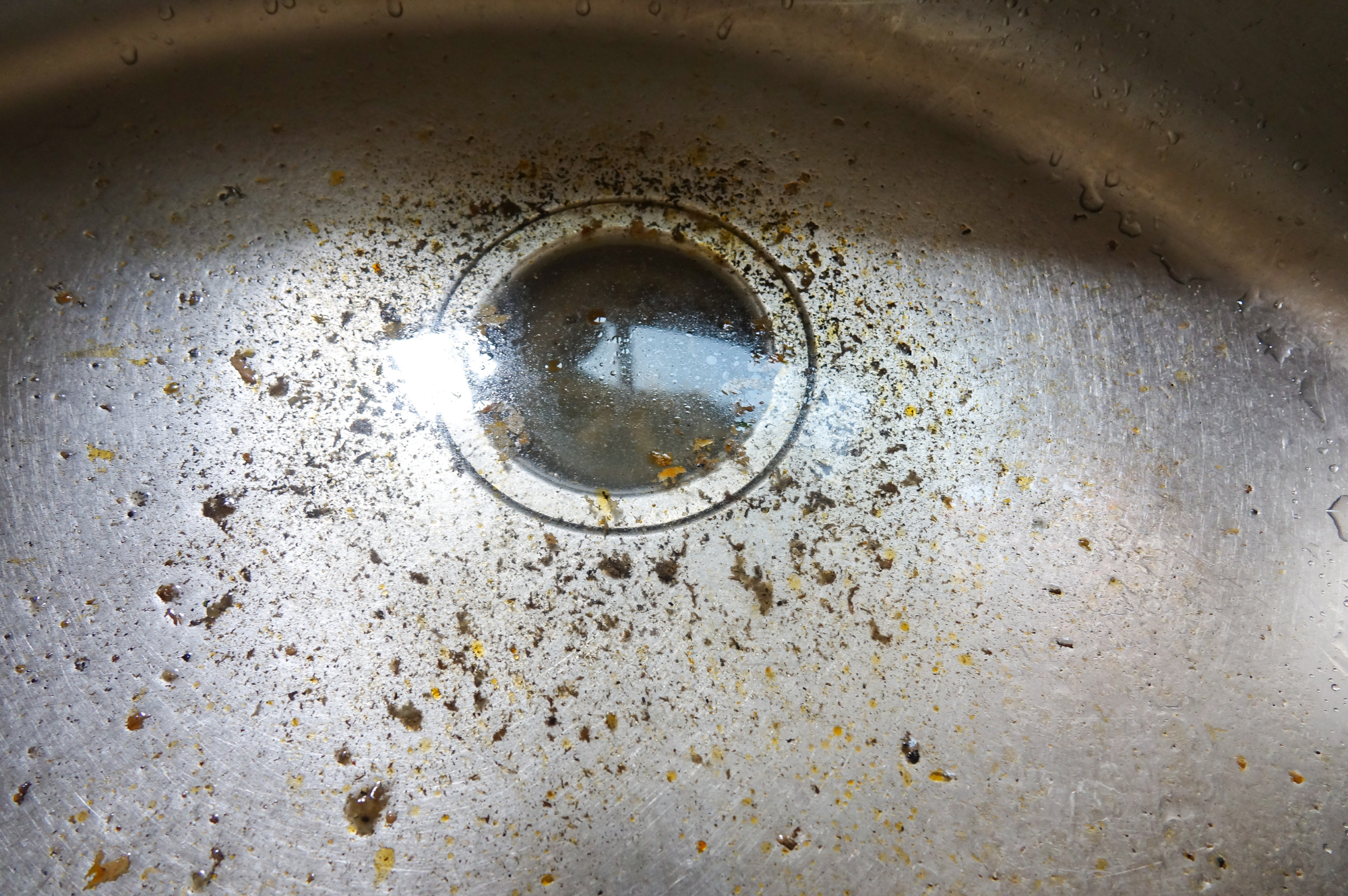
2. Foul Odors: A pungent smell emanating from the sink might be a sign of decomposing food or stagnant water.
3. Gurgling Noises: Unusual gurgling or bubbling sounds when the sink is draining suggest trapped air due to a blockage.
4. Water Backup: The most obvious sign of a clogged sink is water backing up or pooling around the drain.
DIY Methods to Clear a Clogged Sink
Now that you've identified a clogged sink, it's time to take matters into your own hands. Here are some DIY methods you can try to unclog your kitchen sink:
1. **Plunger Power**: Use a plunger specifically designed for sinks and creates a tight seal around the drain. Plunge vigorously to dislodge the clog.
2. **Hot Water Flush**: Boil water and carefully pour it down the drain. The heat can help dissolve grease and flush out minor clogs.
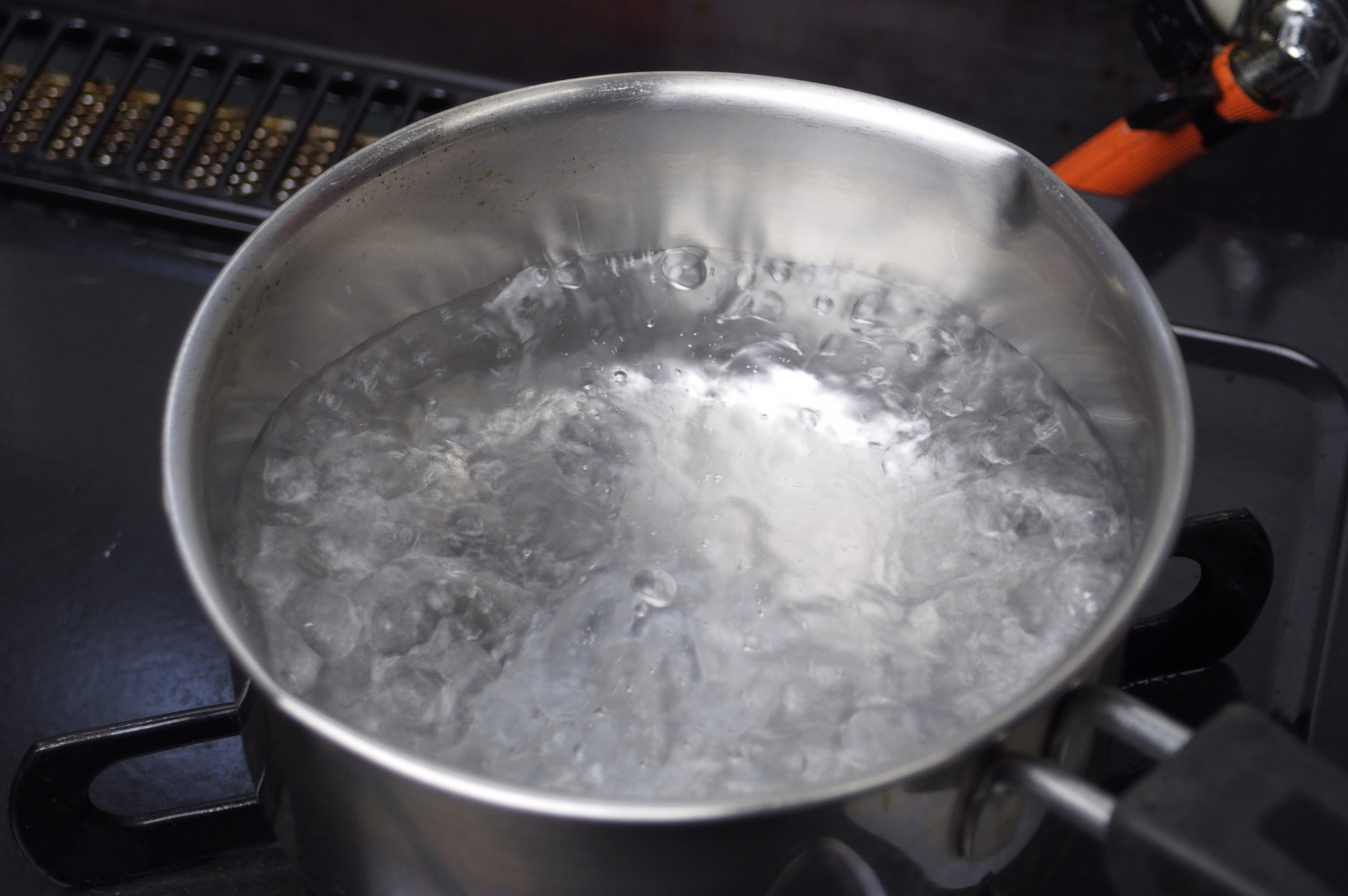
3. **Baking Soda and Vinegar Magic**: Mix equal parts of baking soda and vinegar and pour the mixture down the drain. Let it sit for about 30 minutes before flushing with hot water.
4. **Wire Coat Hanger**: Straighten a wire coat hanger and create a hook at one end. Insert it into the drain, hook the clog, and pull it out.
Remember to try these methods with caution and avoid excessive force, as it may damage your pipes.
Using Natural Ingredients to Unclog Your Sink
If you prefer natural alternatives to chemical drain cleaners, here are a few ingredients from your kitchen pantry that can come to the rescue:
1. **Salt and Hot Water**: Mix a quarter cup of salt with boiling water and pour it down the drain. This method works best for grease clogs.
2. **Baking Soda and Lemon Juice**: Combine half a cup of baking soda with lemon juice to form a fizzing mixture. Pour it down the drain and let it sit for an hour before flushing with hot water.
3. **Enzyme Cleaners**: Enzyme-based cleaners are eco-friendly and break down organic materials in the drain. Follow the instructions on the product for best results.
Preventing Kitchen Sink Chokage
While dealing with a clogged sink is frustrating, prevention is always better than cure. Here are some effective tips to prevent kitchen sink chokage:
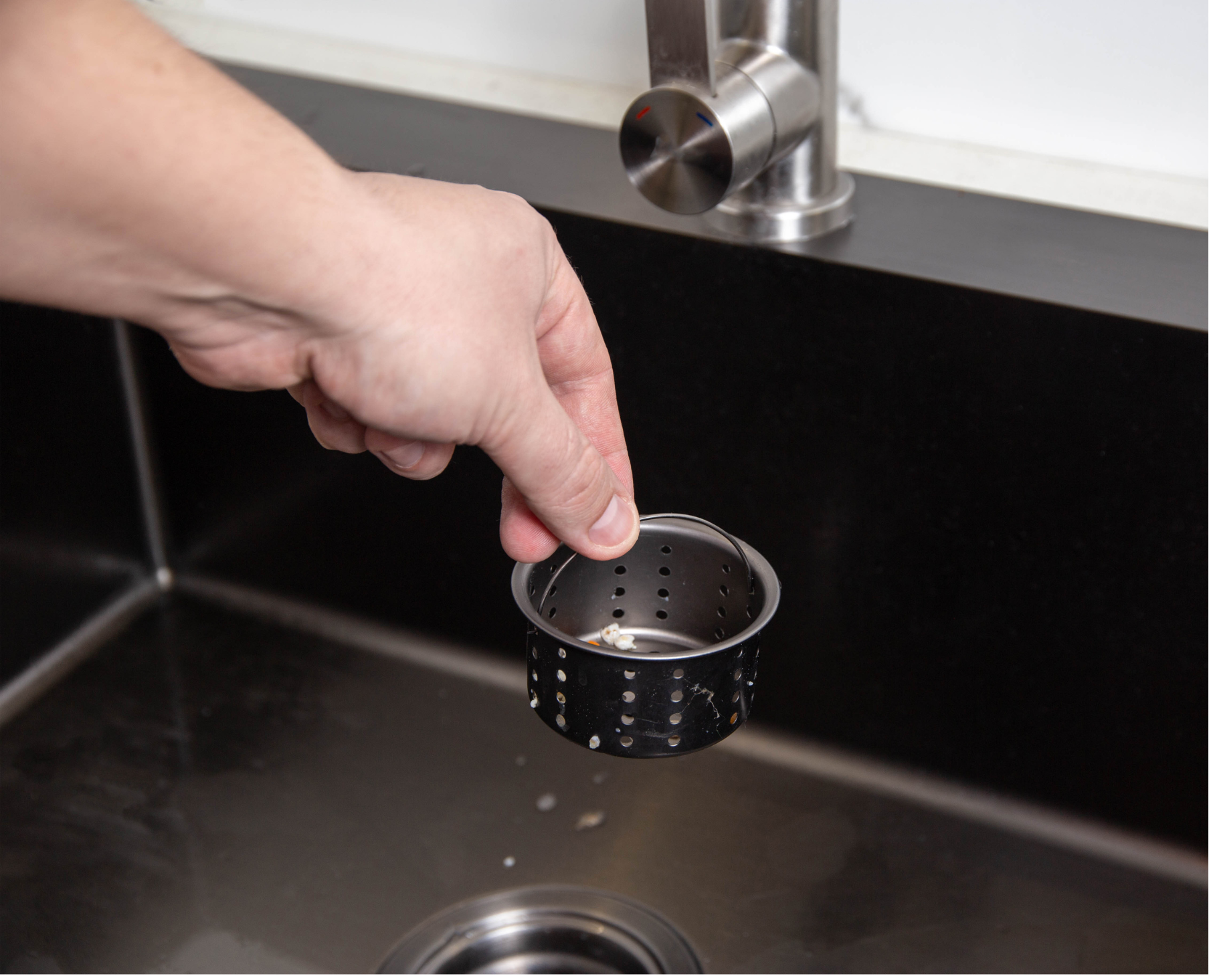
1. **Install a Sink Strainer**: Use a sink strainer or screen to catch food particles and debris,preventing them from entering the drain.
2. **Dispose of Grease Properly**: Allow grease or fat to solidify and dispose of it in the trash instead of pouring it down the drain.
3. **Regular Cleaning**: Clean your sink regularly with mild detergent and warm water to remove grease and soap scum buildup.
4. **Flush with Hot Water**: Once a week, pour boiling water down the drain to help melt any accumulating grease or debris.
5. **Avoid Fibrous Foods**: Fibrous vegetables, fruit peels, and eggshells can tangle and cause blockages. Dispose of them in the trash or compost.
Frequently Asked Questions
Cleaning your kitchen sink once a week is generally sufficient to prevent chokage. However, if you notice any signs of clogging, it's advisable to clean it immediately.
While chemical drain cleaners can be effective, they may damage your pipes and harm the environment. It's best to exhaust natural methods before resorting to chemical solutions.
If DIY methods fail to unclog your sink, it's time to call a professional plumber. They have the expertise and tools to tackle more stubborn clogs.
For severe clogs or persistent issues, it's highly recommended to seek professional help. Plumbers have the knowledge and experience to handle complex clogs safely.
Yes, implementing preventive measures such as using sink strainers, proper grease disposal, and regular cleaning can significantly reduce the likelihood of future clogs.
Yes, grease is one of the primary culprits behind kitchen sink chokega. It solidifies over time and creates stubborn blockages.
Additional Tips for Dealing with Kitchen Sink Chokage
In addition to the methods mentioned earlier, here are a few more tips to help you effectively deal with kitchen sink chokage:
1. **Use a Plumbing Snake**: If the clog persists and DIY methods don't work, consider using a plumbing snake. Insert the snake into the drain and rotate it to break up the blockage.
2. **Avoid Harsh Chemicals**: While chemical drain cleaners can be tempting, they often contain harsh ingredients that can damage your pipes and harm the environment. It's best to use natural or mechanical methods first.
3. **Regularly Check the P-Trap**: The P-trap is a curved section of pipe under the sink that traps debris and prevents odors from rising. Periodically check and clean the P-trap to ensure proper drainage.
4. **Educate Family Members**: Make sure everyone in your household understands what should and shouldn't go down the kitchen sink. Educate them about the importance of proper disposal to prevent clogs.
5. **Seek Professional Maintenance**: Consider scheduling regular professional maintenance for your plumbing system. A licensed plumber can inspect your pipes, remove any buildup, and identify potential issues before they become major problems.
Remember, prevention is key. By adopting good habits and practicing regular maintenance, you can minimize the chances of encountering kitchen sink chokage.
Conclusion
Dealing with a clogged kitchen sink can be a frustrating experience, but armed with the knowledge and techniques outlined in this guide, you can overcome this challenge. From understanding the causes of kitchen sink chokage to employing DIY methods and preventive measures, you now have a comprehensive understanding of how to keep your sink drain free-flowing.
Remember to start with simple DIY methods like plunging, using natural ingredients, or employing a wire coat hanger. If these methods fail to resolve the issue, don't hesitate to seek professional help from a qualified plumber like HDBPlumber Services. They have the expertise and tools to tackle even the most stubborn clogs.
By implementing preventive measures, educating your household members, and scheduling regular maintenance, you can keep your kitchen sink running smoothly and avoid the inconvenience and frustration of dealing with kitchen sink chokage.
So, take charge of your kitchen sink's health, and bid farewell to those pesky clogs and unpleasant odors. Enjoy a clean, functional, and trouble-free kitchen sink for years to come!
Need a licensed plumber to clear your kitchen sink choke? HDB Plumber Service has 25 years of experience fixing sink blockages across Singapore. Contact us for a fast quote or visit our sink choke service page for full details on our process and pricing.