

A clogged floor trap or drain is a frequent problem in Singapore that can interfere with daily activities and be inconvenient. It can result in unpleasant odors, water backup, and even flooding. There are various methods to resolve these problems. In this article, we will discuss ten common causes of drain and floor trap blockages, 10 ways to unclog them, tips to prevent future clogs, and when it's necessary to contact a professional plumber.
10 Common Causes of Drain or Floor Trap Choke
Drain chokes and floor trap chokes are common issues that can cause water to drain slowly or not at all. Blockages in the plumbing system are frequently to blame for these issues.
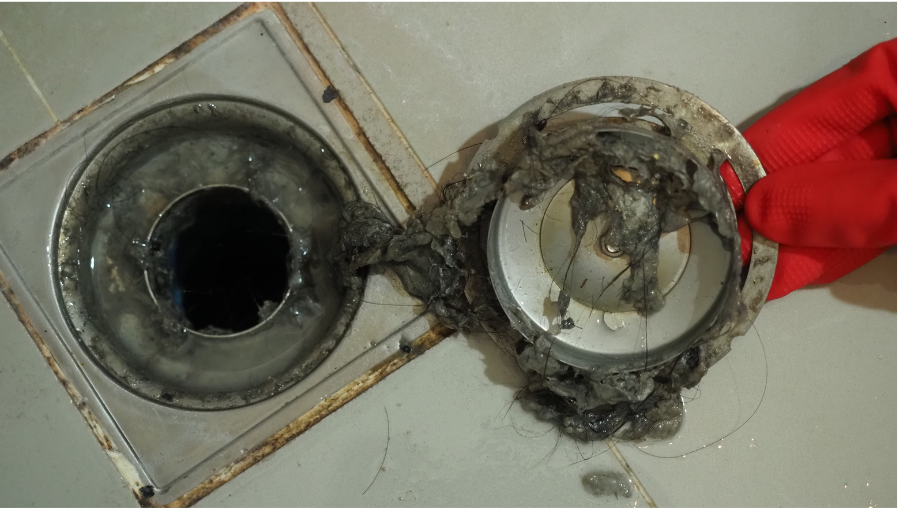
Hair:-
Hair is a common cause of blockages in bathroom drains, particularly in showers and tubs. Hair can become tangled and accumulate in the drain. Most people lose about 100 strands of hair per day, and the majority of this amount is lost in the shower. When people take a shower, they spend around thirty minutes in the bathroom on average. And when we shower and wash our hair, some pressure is exerted on our hair so that those loose hairs that are about to drop fall off easily, eventually leading to a complete blockage.

Food Waste:-
Food waste that is disposed of down to the kitchen sink can also cause drain chokes. Grease and oil can solidify and stick to inside of pipes, eventually leading to blockages.
Soap Scum:-
Soap scum especially those solid bar soaps, can cause a choke to happen when a significant portion of the soap remains after the wash, causing it to reside on the floor trap. When the solid soap is not cleared, Can accumulate in drains, particularly in showers and sinks, and contribute to the formation of blockages.
Toilet Paper:-
Excessive use of toilet paper or flushing non-flushable items down the toilet can cause blockages in the toilet drain.
Feminine Products:-
Flushing feminine sanitary down the toilet can also cause blockages in the toilet drain.
Foreign Objects:-
Children often flush toys, keys, or other objects down the toilet, causing blockages in the plumbing system.
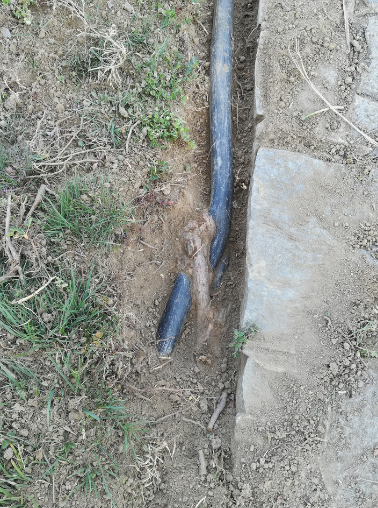
Tree Roots:-
In outdoor plumbing systems, tree roots can grow into the pipes, causing blockages and damage to the plumbing system.
Grease and Oil:-
Grease and oil that are poured down the kitchen sink can stick to the inside of pipes and eventually form blockages.
Mineral Build-up: -
Over time, minerals can accumulate in plumbing systems and form blockages. This problem is particularly prevalent in regions where the water is harsh.
Ageing Pipes:-
Pipes that are old and corroded can collapse or crack, leading to blockages and other plumbing issues.
10 Ways to Unclog a Drain or Floor Trap
Now that we understand the common causes of drain or floor trap choke, let’s explore ten ways to unclog a drain or floor trap:
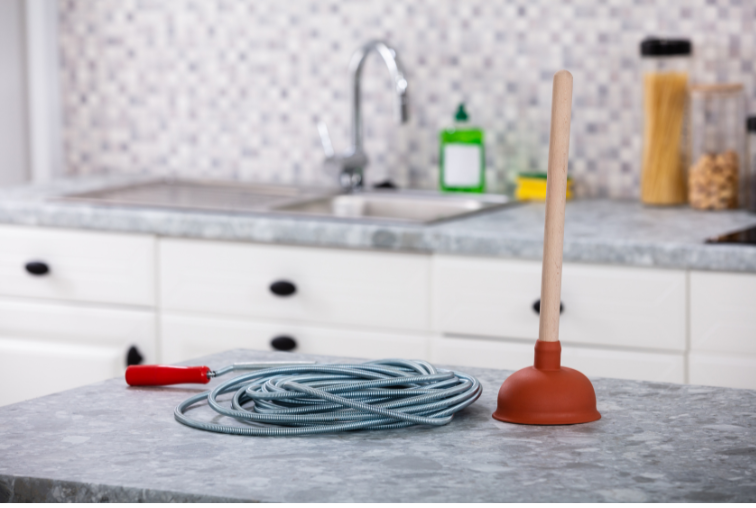
Get a Plunger:
A plunger is a simple and effective tool to unclog a drain or floor trap. First, remove any standing water from the drain or floor trap. Next, place the plunger over the drain or floor trap and push down and up rapidly.
Buy baking soda and vinegar:
A mixture of baking soda and vinegar can break down blockages in the drain or floor trap. First, remove any standing water from the drain or floor trap. Next, pour one cup of baking soda into the drain or floor trap. Then, pour one cup of vinegar into the drain or floor trap and cover it with a cloth. Let the mixture sit for 30 minutes before flushing it with hot water.
Try boiling water:
Boiling water may can dissolve minor blockages in the drain or floor trap. First,
remove any standing water from the drain or floor trap. Next, pour boiling water into the drain or floor trap in three to four stages, allowing the water to work for a few seconds between each pour.
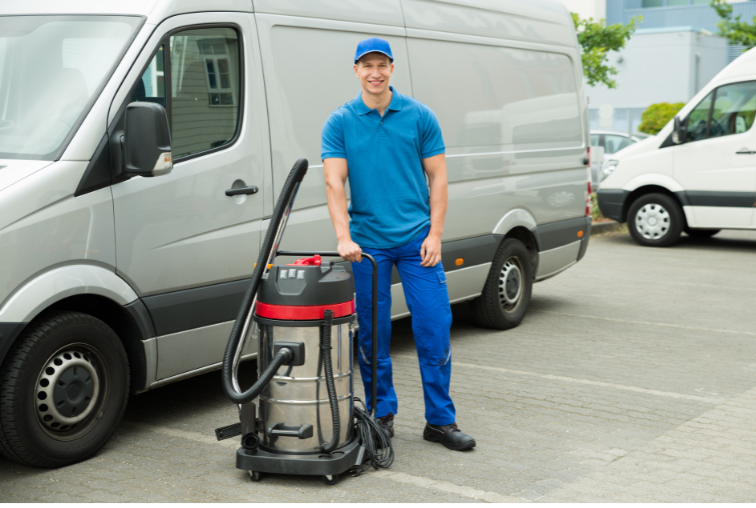
Use a wet or dry vacuum cleaner:-
A wet or dry vacuum can be used to remove stubborn blockages in the drain or floor trap. First, remove any standing water from the drain or floor trap. Next, create a seal around the drain or floor trap with the wet or dry vacuum and turn it on to suck out any debris.
Using chemical drain cleaners:
Chemical drain cleaners can dissolve blockages in the drain or floor trap, but they can also be harmful to pipes and the environment. Wear safety equipment and strictly adhere to the label's recommendations.
Use a plumbing snake:
A plumbing snake is a long, flexible tool that can be used to dislodge blockages in the drain or floor trap. First, remove any standing water from the drain or floor trap. Next, insert the plumbing snake into the drain or floor trap and turn the handle to dislodge any debris.
Enzyme drain cleaners:
Enzyme drain cleaners use natural enzymes to break down blockages in the drain or floor trap. Follow the instructions on the label carefully and be patient, as it may take a few hours to work.
Use hydropower jetting:
Hydropower jetting uses high-pressure water to clear the clogs in the drain or floor
trap. This method is better left to professional plumbers, as it can be dangerous if not done properly.
Professional plumbing services:
If all else fails, it’s best to call a professional plumber. They have the expertise and
equipment to identify and solve any drain or floor trap choke issues.

Tips for Preventing a Drain Choke or Floor Trap Choke
Preventing drain choke and floor trap choke issues is key to avoiding the inconvenience and cost of unclogging blocked pipes. Here are some tips to help prevent these issues:
1. Use drain covers or hair catchers in bathrooms. Hair and soap scum are common
causes of bathroom drain chokes. Using a drain cover or hair catcher can help prevent these items from going down the drain and causing blockages. These components are affordable and simple to install.
2. Avoid pouring grease, oil, or food waste down the kitchen sink. Grease, oil, and food waste can accumulate in pipes and eventually cause blockages. Instead, scrape food waste into the trash and dispose of grease and oil in a separate container.
3. Use toilet paper sparingly and only flush toilet paper and human waste down the toilet. Excessive use of toilet paper or flushing non-flushable items down the toilet can cause blockages in the toilet drain.
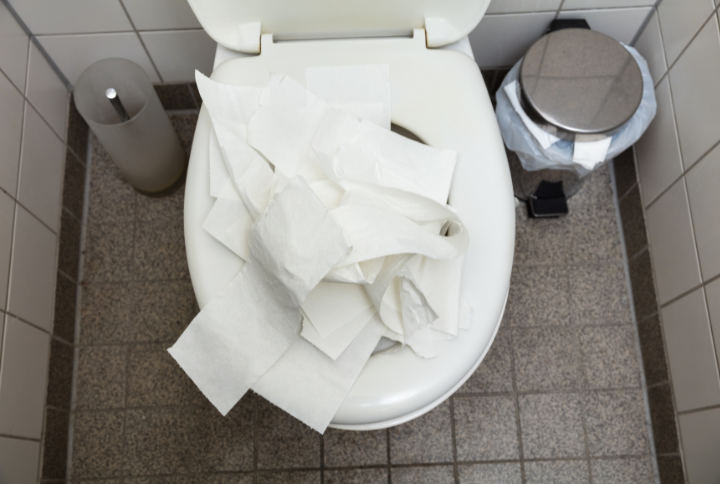
4. Dispose of feminine hygiene products and other non-flushable items in the trash. Flushing feminine hygiene products and other non-flushable items down the toilet can cause blockages in the plumbing system. You should throw these things away in the trash.
5. Keep small objects out of reach of children and educate them on proper toilet use to prevent these issues. Children often flush toys, keys, or other objects down the toilet, causing blockages in the plumbing system.
6. Avoid planting trees near plumbing lines because tree roots can grow into the pipes and cause blockages and damage to the plumbing system.
7. Consider installing a water softener. Mineral build-up in the plumbing system can cause blockages and other issues. Installing a water softener can help prevent this issue and extend the life of your plumbing system.

8. Get a professional plumber to check on your plumbing system frequently. Regular inspections can detect and prevent issues before they become serious, saving you time and money in the long run. A professional plumber can also provide advice on proper maintenance and the prevention of plumbing issues.
By following these tips, you can help prevent drain choke and floor trap choke issues in your home. Remember that prevention is key to avoiding the inconvenience and cost of unclogging blocked pipes.
While there are many DIY methods available for unclogging drain chokes and floor trap chokes, it’s important to know when it’s time to call in a professional plumber. Attempting to solve a complex blockage issue on your own can actually make the problem worse, resulting in costly repairs and potential damage to your plumbing system.
Here are some situations where you should consider calling a professional plumber to resolve your choke issues:
1. Multiple clogs: If you have multiple clogs in different areas of your home, it could indicate a more serious blockage issue. A professional plumber has the tools and expertise to identify and resolve the root cause of the blockage.
2. Recurring blockages: If you find yourself frequently dealing with drain chokes and floor trap chokes, it could be a sign of a larger issue that requires professional
attention. A plumber can inspect your plumbing system and recommend preventive maintenance to avoid future blockages.
3. Foul odours (smelly): If you notice unpleasant odours coming from your drain or
floor trap, it could be a sign of a blockage or a damaged pipe. A professional plumber can identify the cause of the odour and take steps to resolve the issue.
4. Slow draining: If water is slow to drain from your sink or shower, it could indicate a blockage or a damaged pipe. A professional plumber can use specialised equipment to identify the source of the problem and take appropriate action.

5. DIY methods are not working: If you have tried multiple DIY methods to unclog your drain or floor trap and none of them have worked, it’s time to call in a professional plumber. Attempting to use harsh chemicals or improper tools to unclog your pipes can lead to damage and costly repairs.
6. Experience Licensed plumbers have the education, as well as the skills and
experience, to manage difficult plumbing problems such as blockages. They are able to arrive at an accurate diagnosis of the issue in a short amount of time and then implement the appropriate corrective measures.
7. Access to Specialised Tools and Equipment- Some homeowner don't have access to use specialised tools and equipment, but licenced plumbers they have knowledge to use it. These tools can be used to safely and effectively unclog your pipes without causing any damage.
8. Attention! If you want to unclog a drain choke or a floor trap choke on your own, you should be aware that doing so might be dangerous. It's possible that you may be hurt or cause damage to your plumbing system if you use dangerous chemicals or use your equipment incorrectly. If you choose a qualified plumber, you can be certain that the task will be carried out in a secure and efficient manner.
9. Preventive Maintenance: A professional plumber can also help keep your plumbing system in good shape with preventive maintenance. They can find problems before they get too bad and take the steps that are needed to stop clogs and other plumbing problems.
10. Time and cost savings-It may be a time-consuming and expensive endeavour to attempt to unclog a floor trap choke or a drain choke on your own. If you mess up or create damage to your plumbing system in any way, you may wind up having to spend even more money to have the issue fixed.In the long run, your decision to hire a professional plumber may save you both time and money.

When you choosing for a qualified plumber- you should seek for someone who has expertise, a solid reputation, as well as the appropriate licencing and insurance. A plumber who is properly authorised and insured can provide you piece of mind while also ensuring that the service is carried out in a secure and efficient manner.
In conclusion, contacting a professional plumber to fix difficulties with a clogged drain or a floor trap choke may provide a number of advantages, such as the skill and experience of the plumber, the use of specialist tools and equipment, the assurance of safety, the avoidance of unnecessary maintenance, and the savings of both time and money. For your next plumbing problem, you may want to think about getting the help of a professional plumber to guarantee that the task is done correctly and without incident.
Enter your text here...